


Grow Bags & Pouches
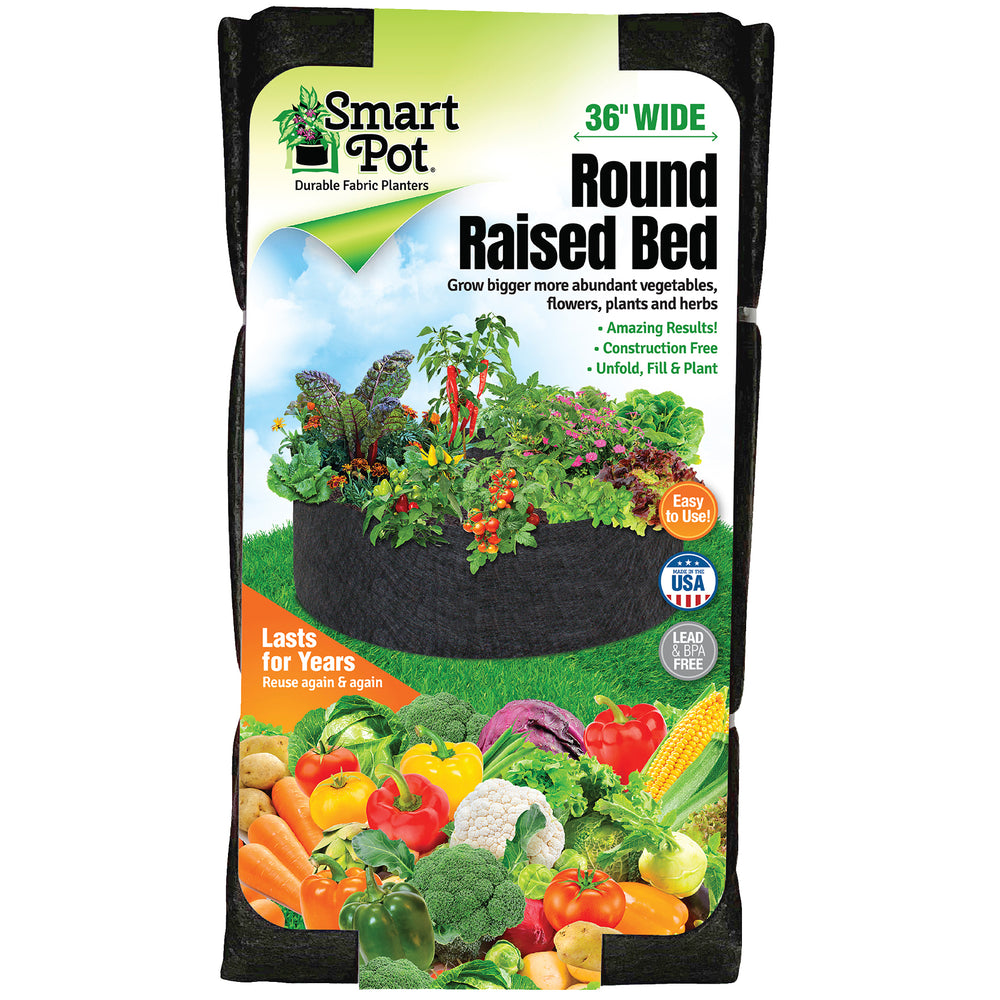
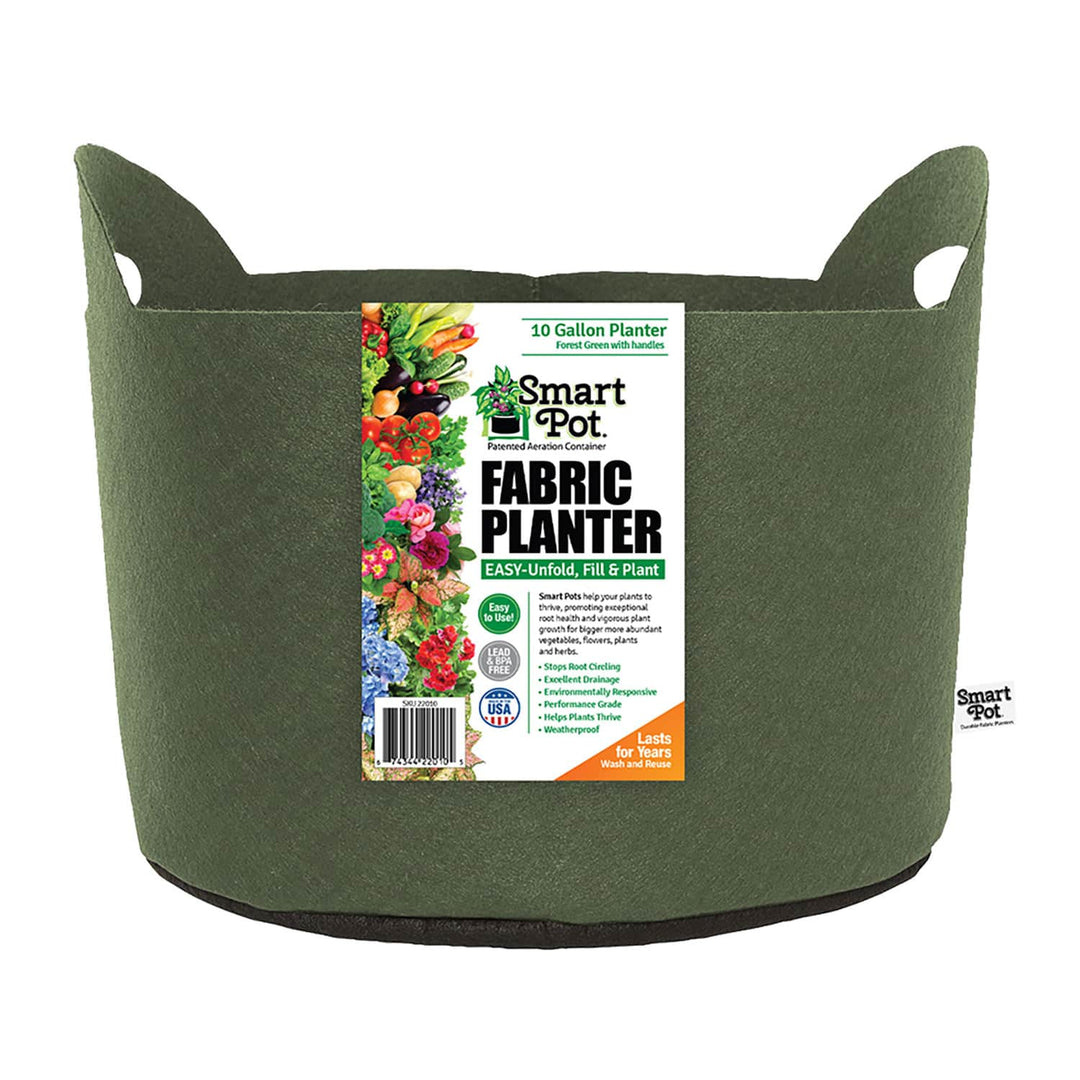
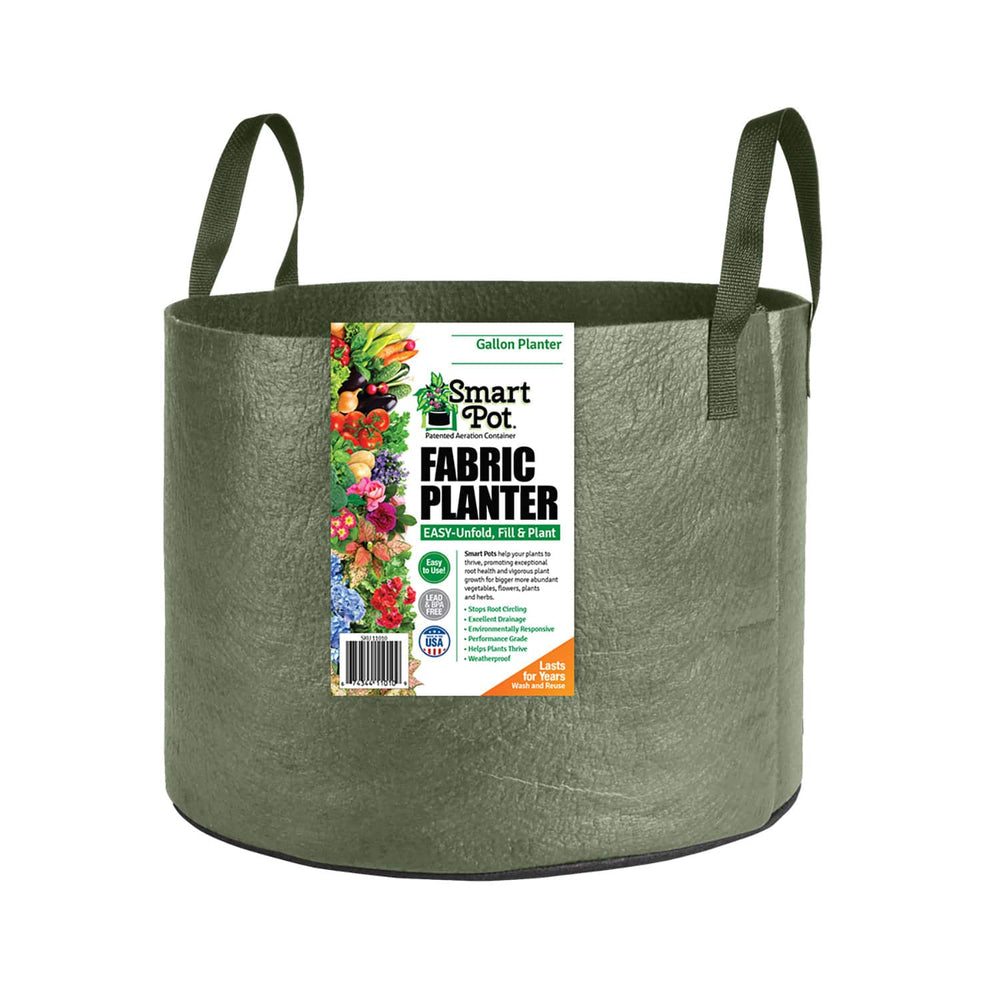


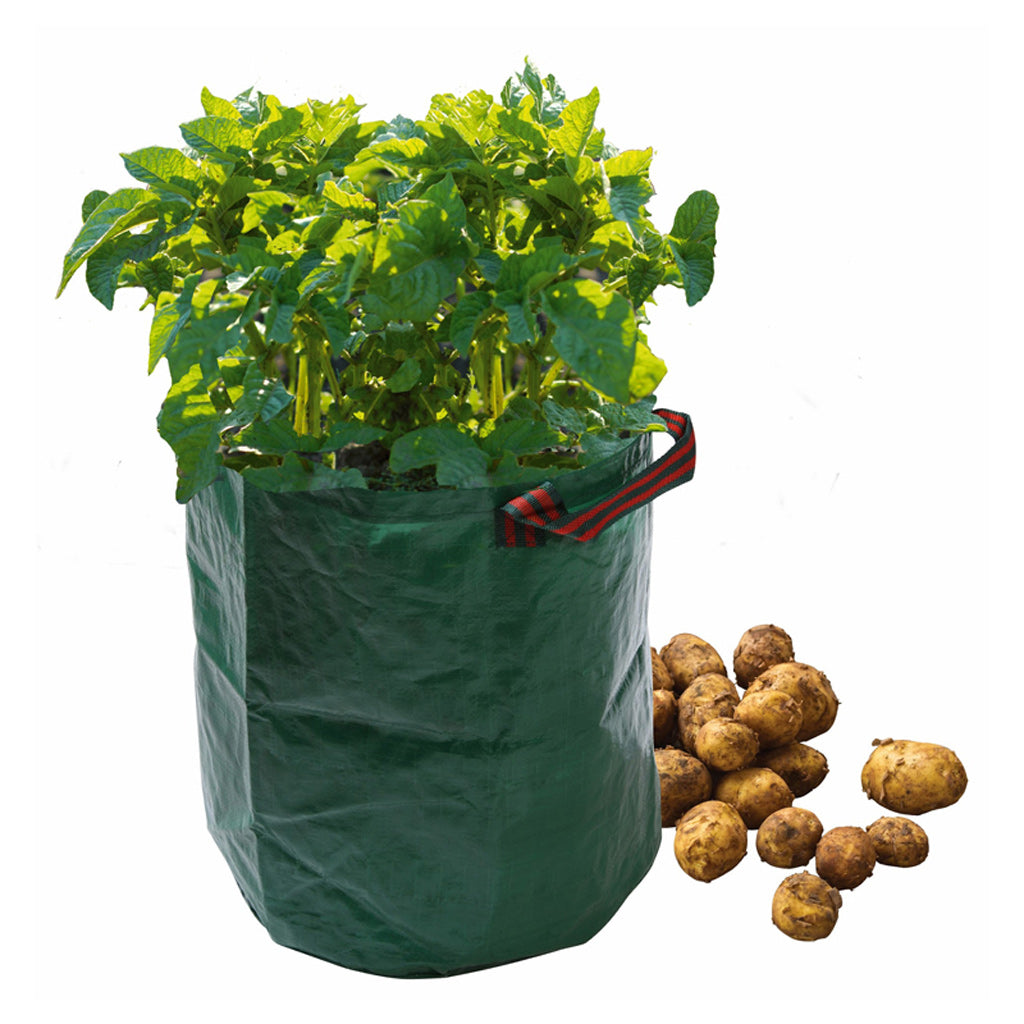

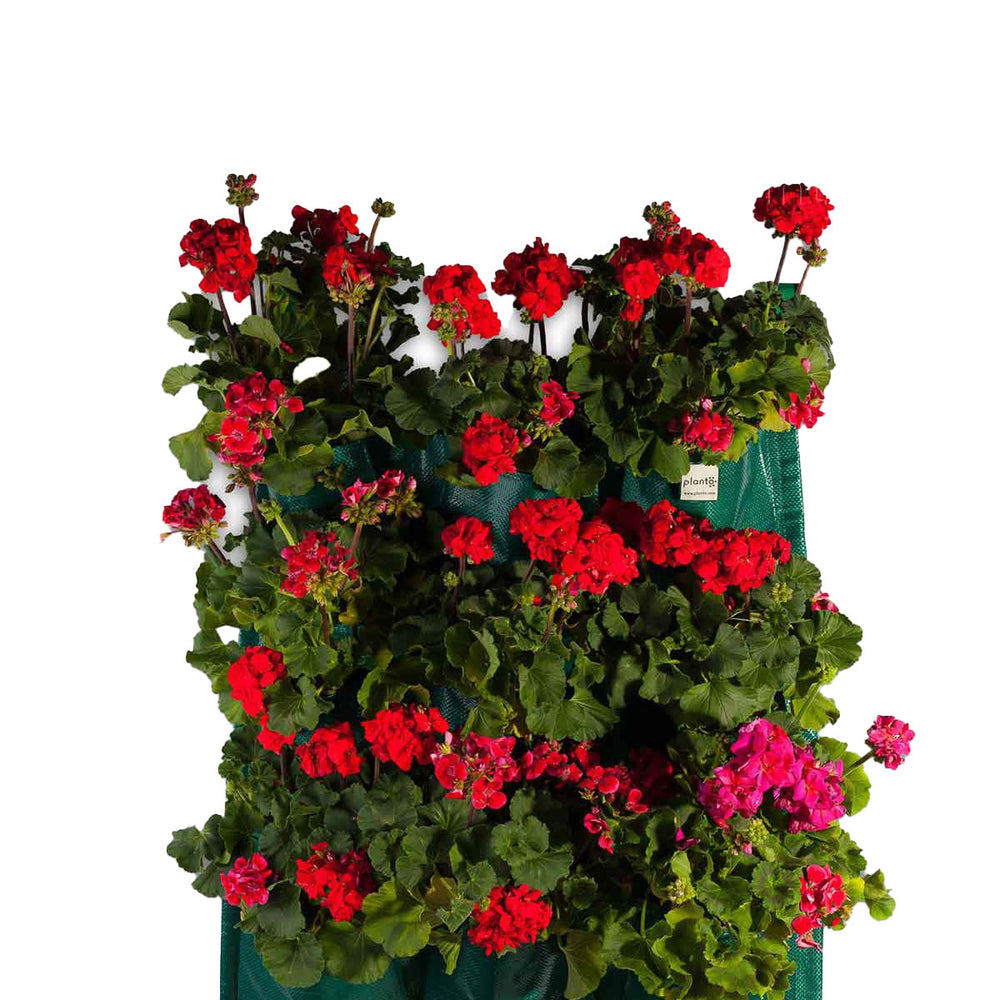
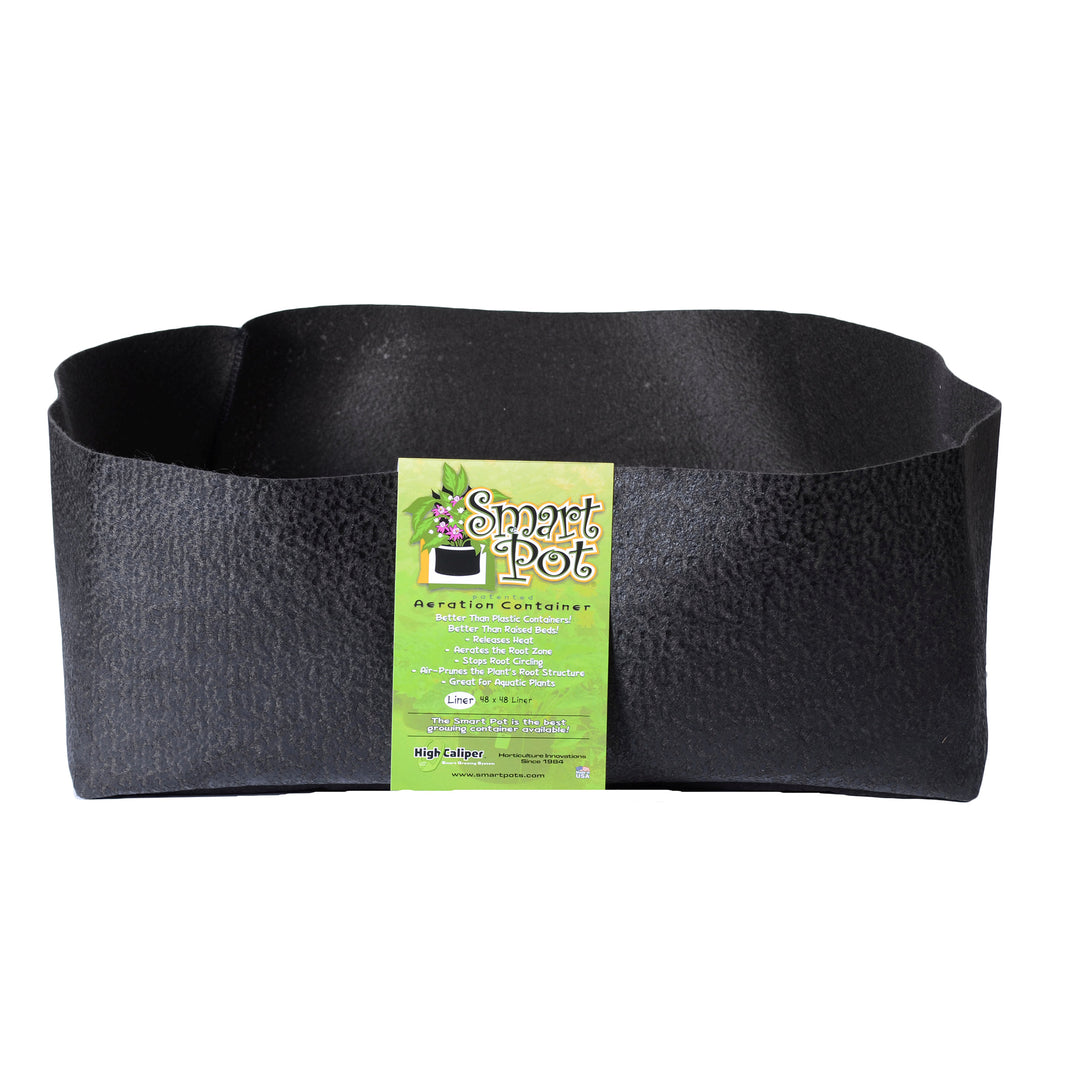
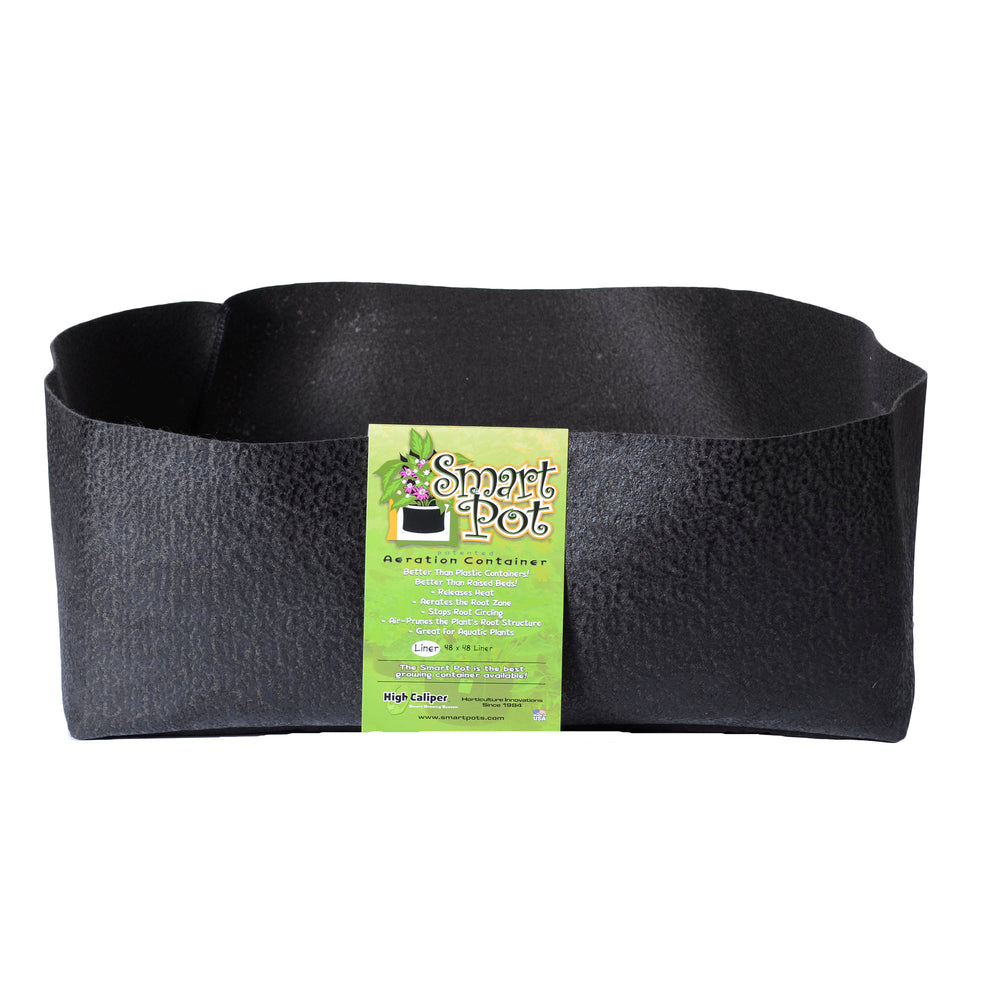


Grow Bag Plant Containers
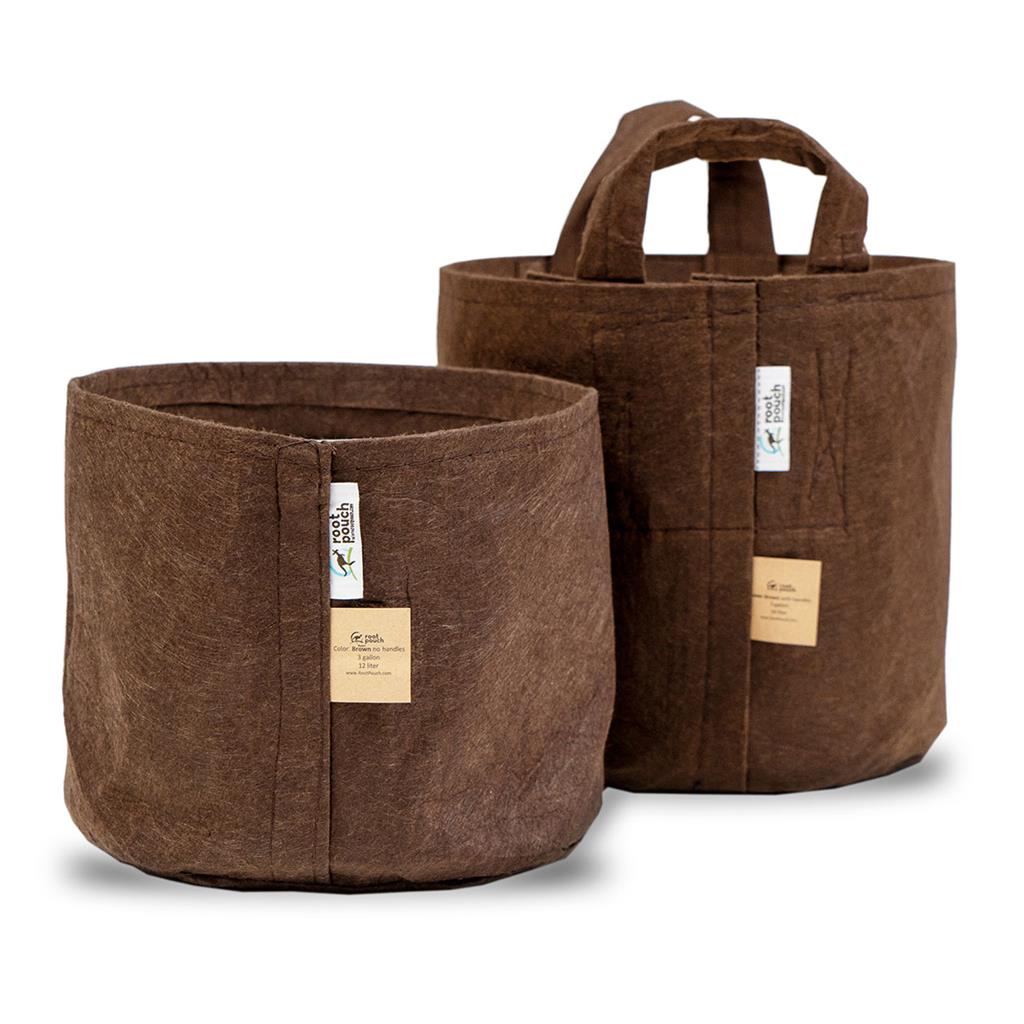
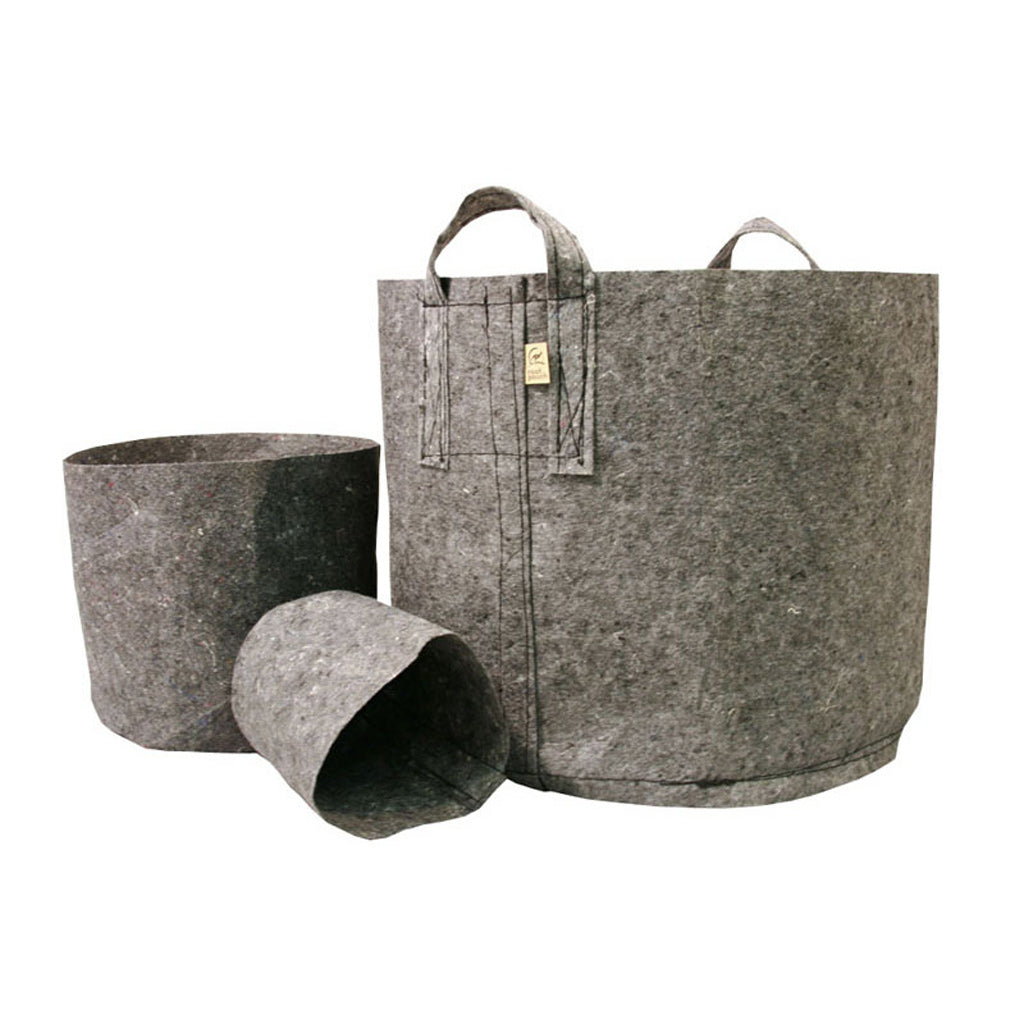
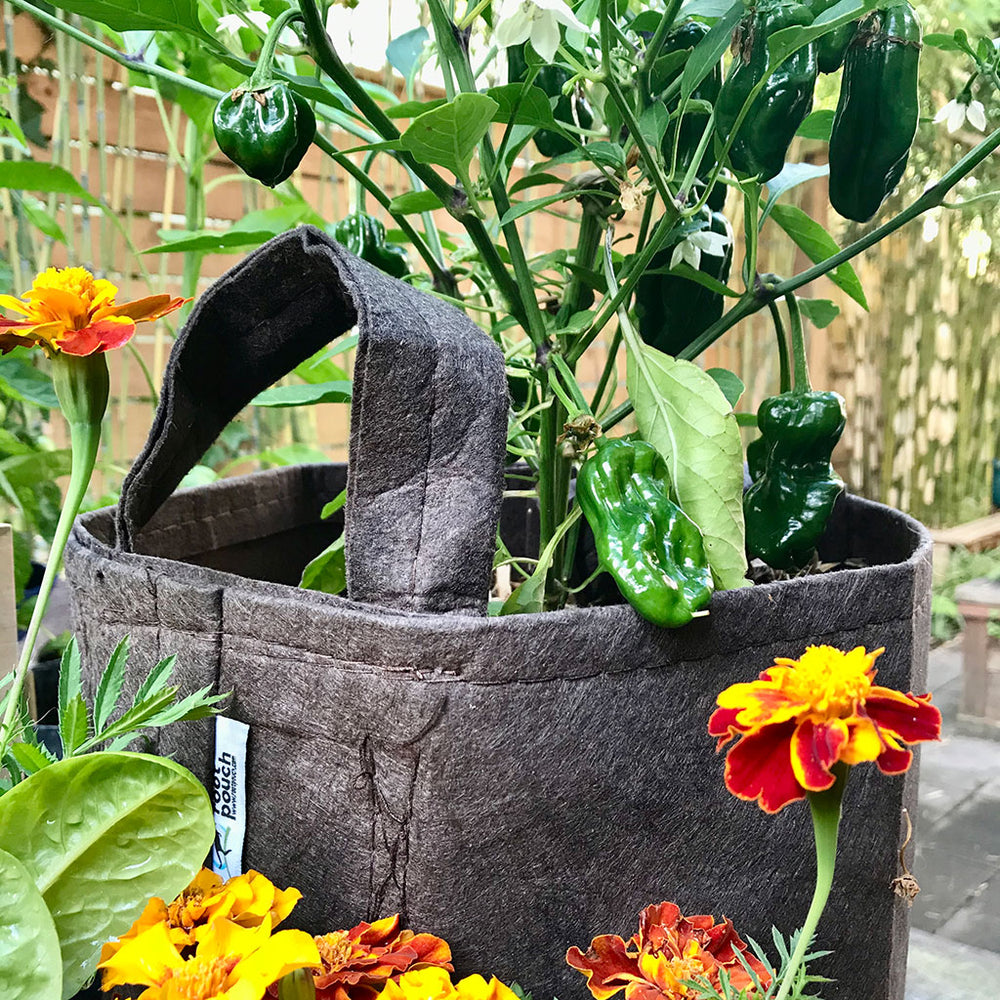
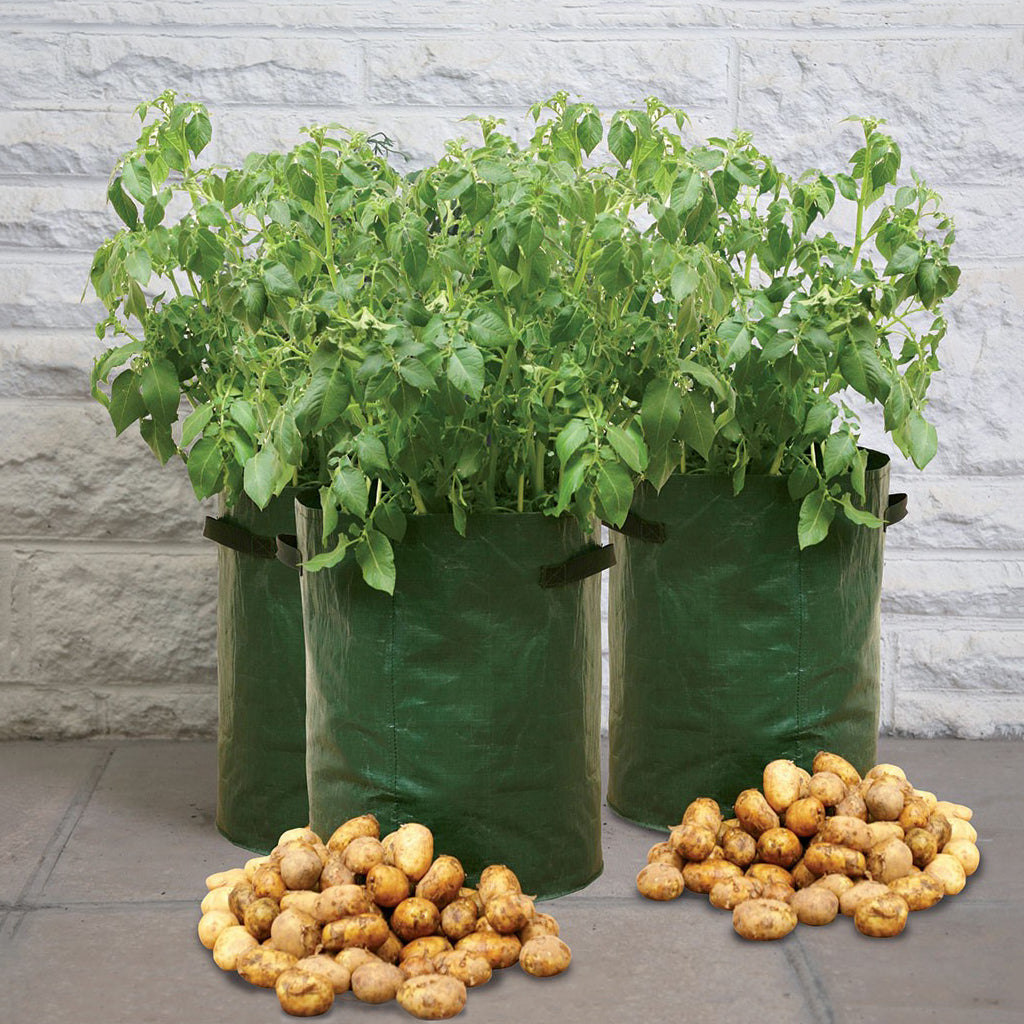
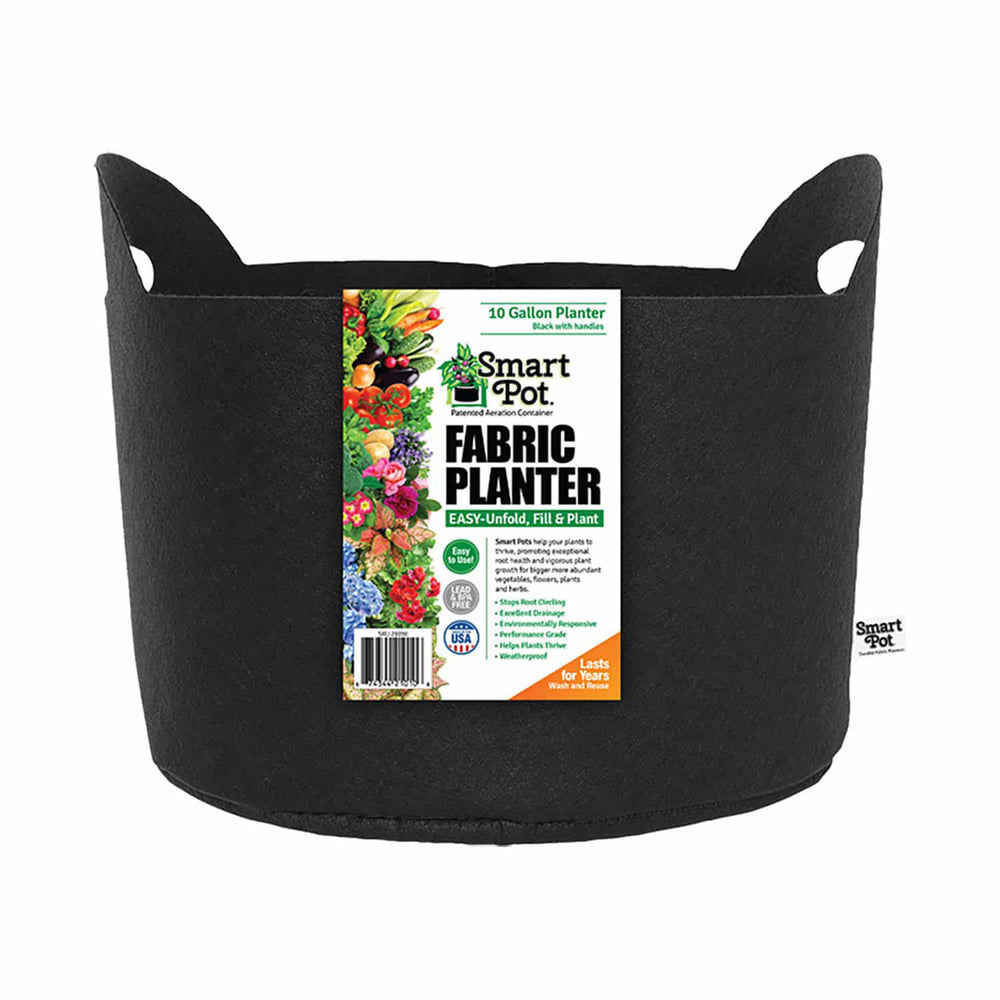
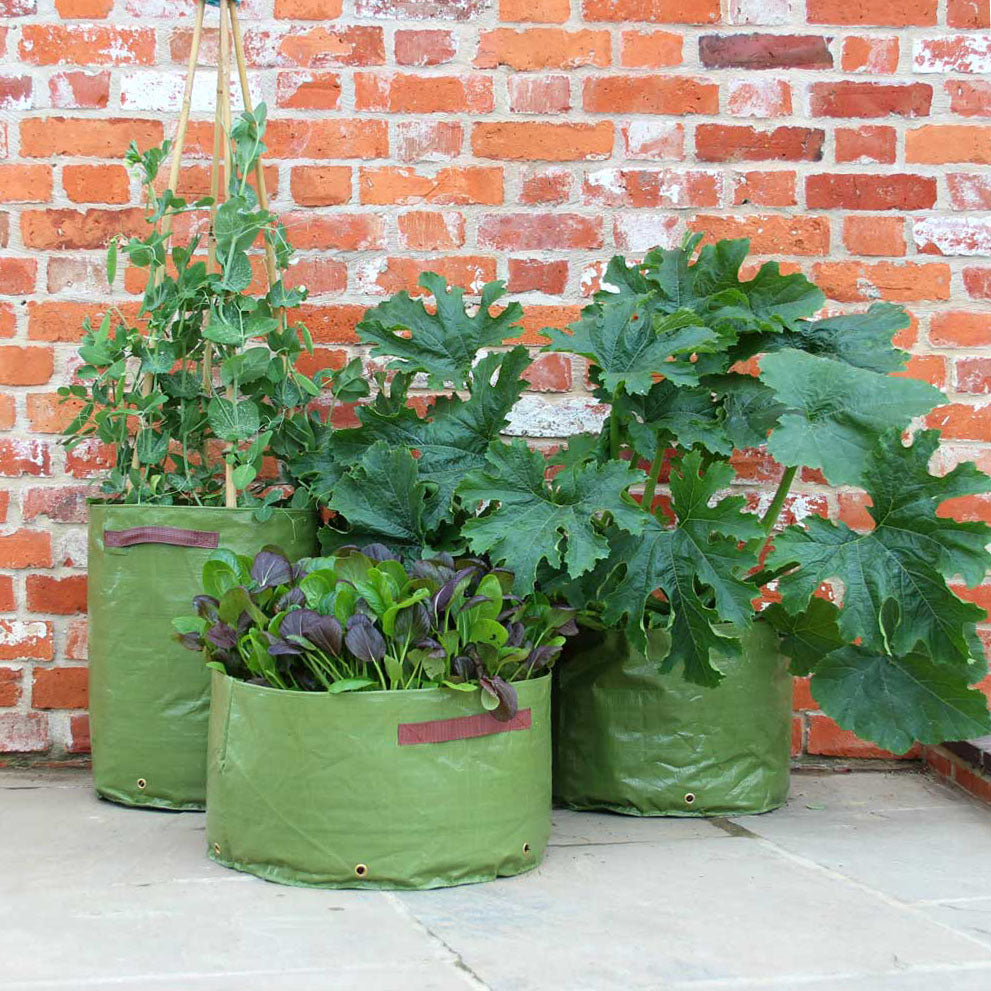
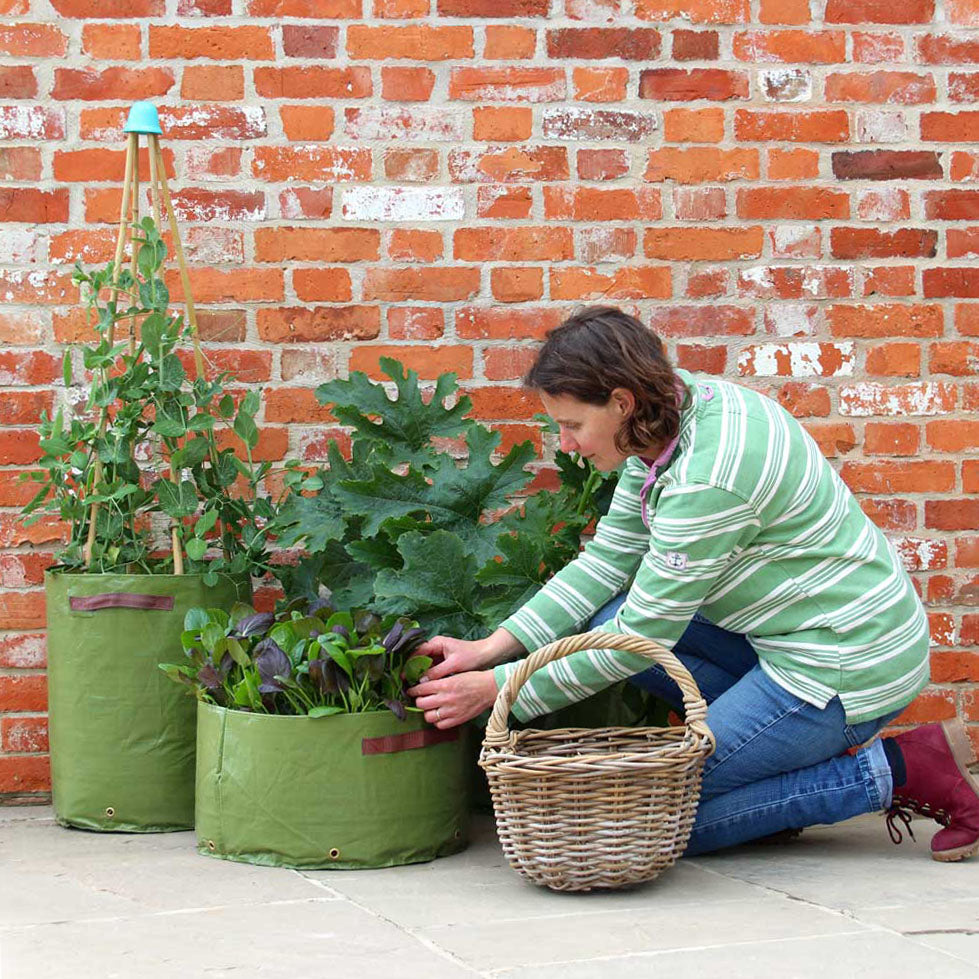
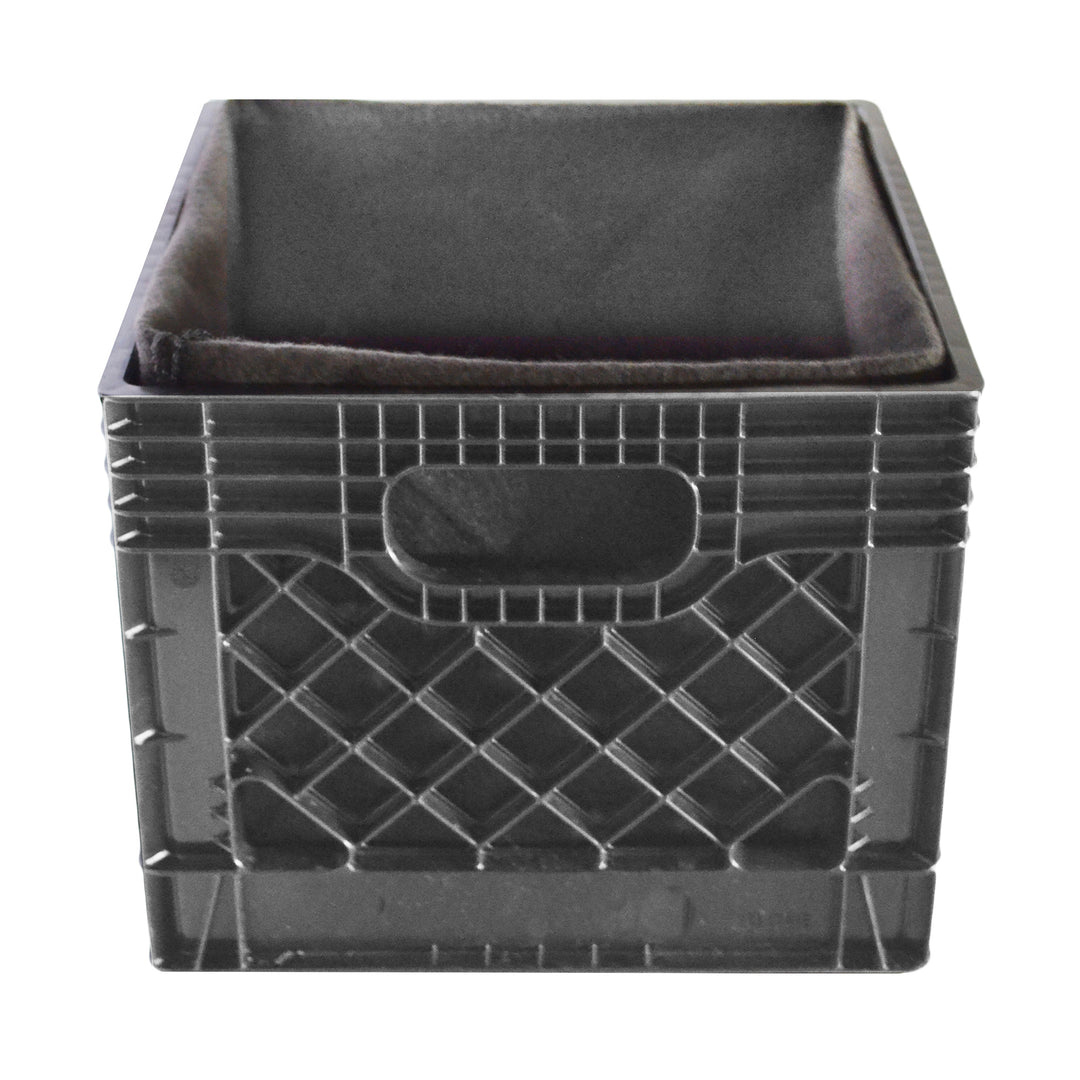
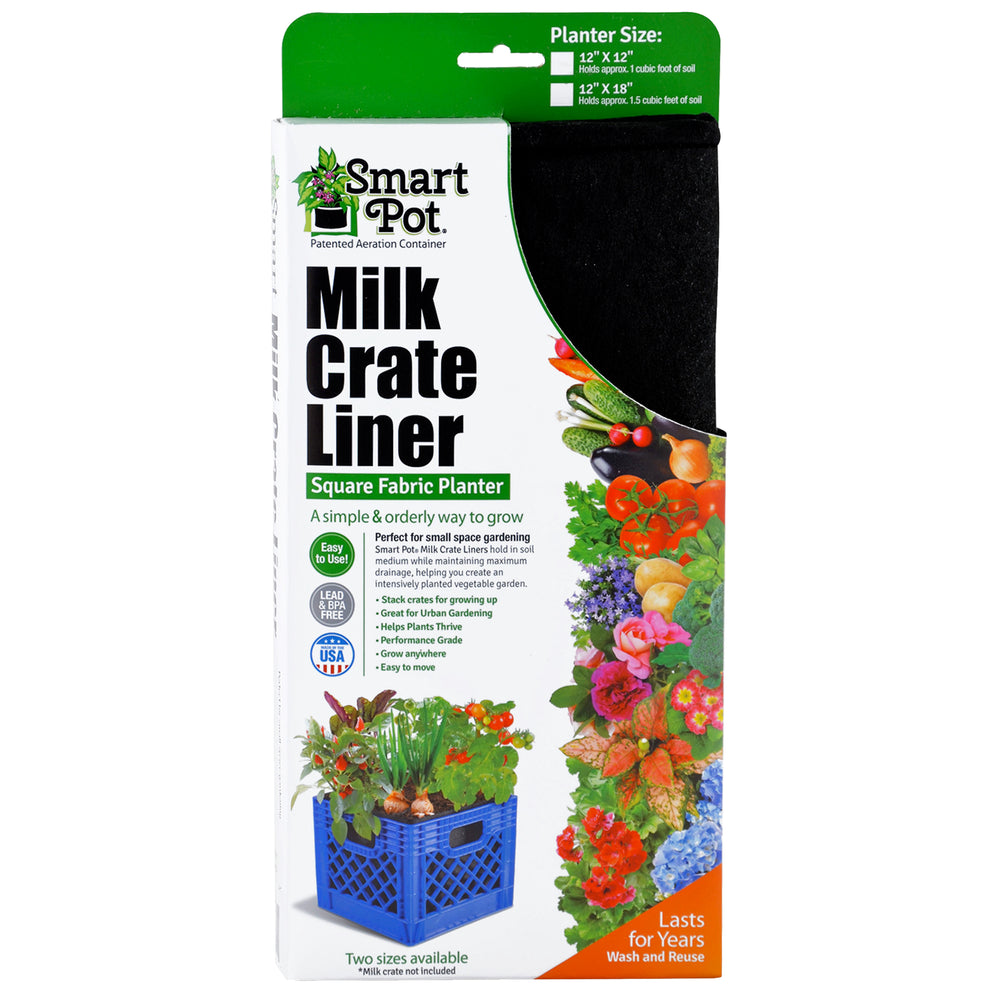
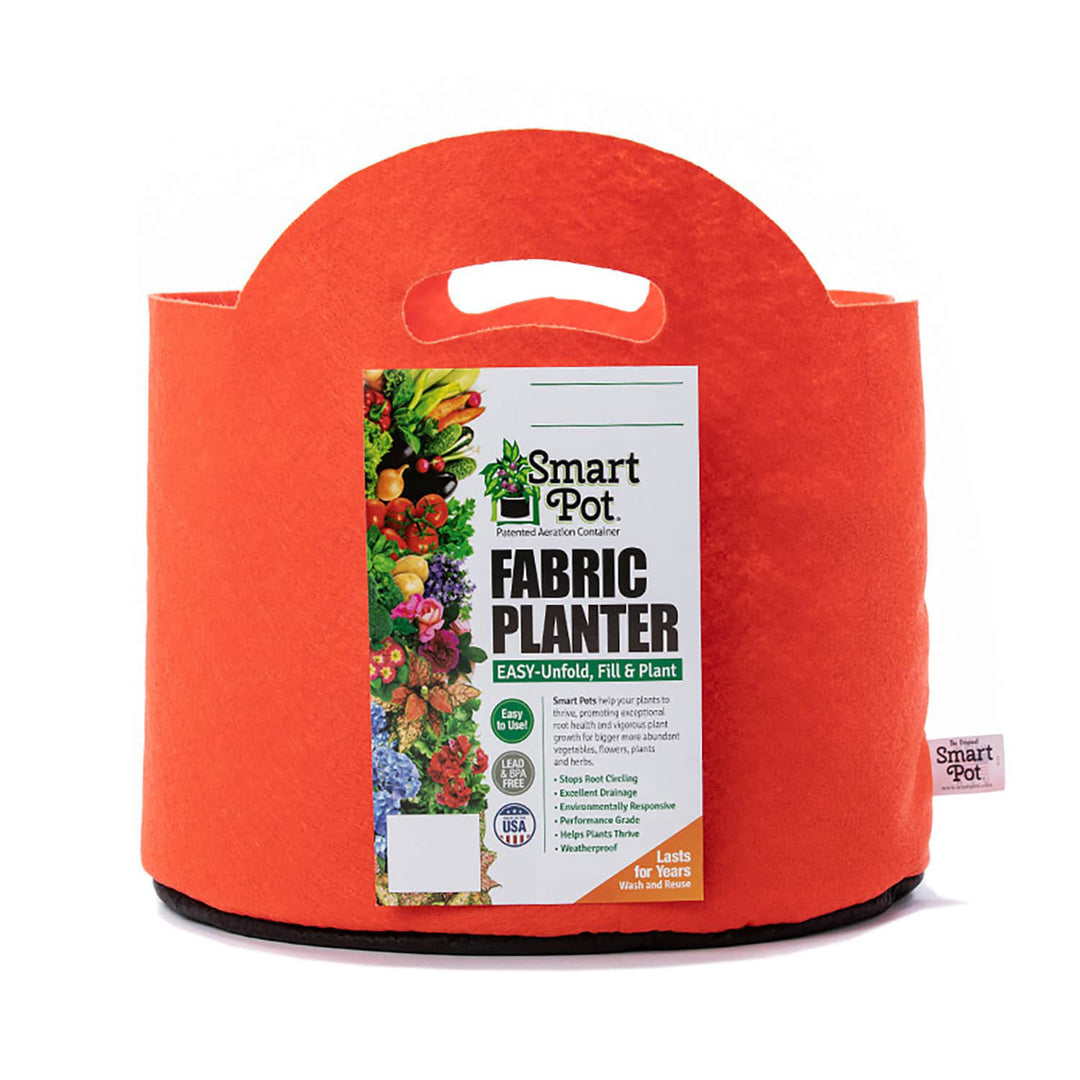
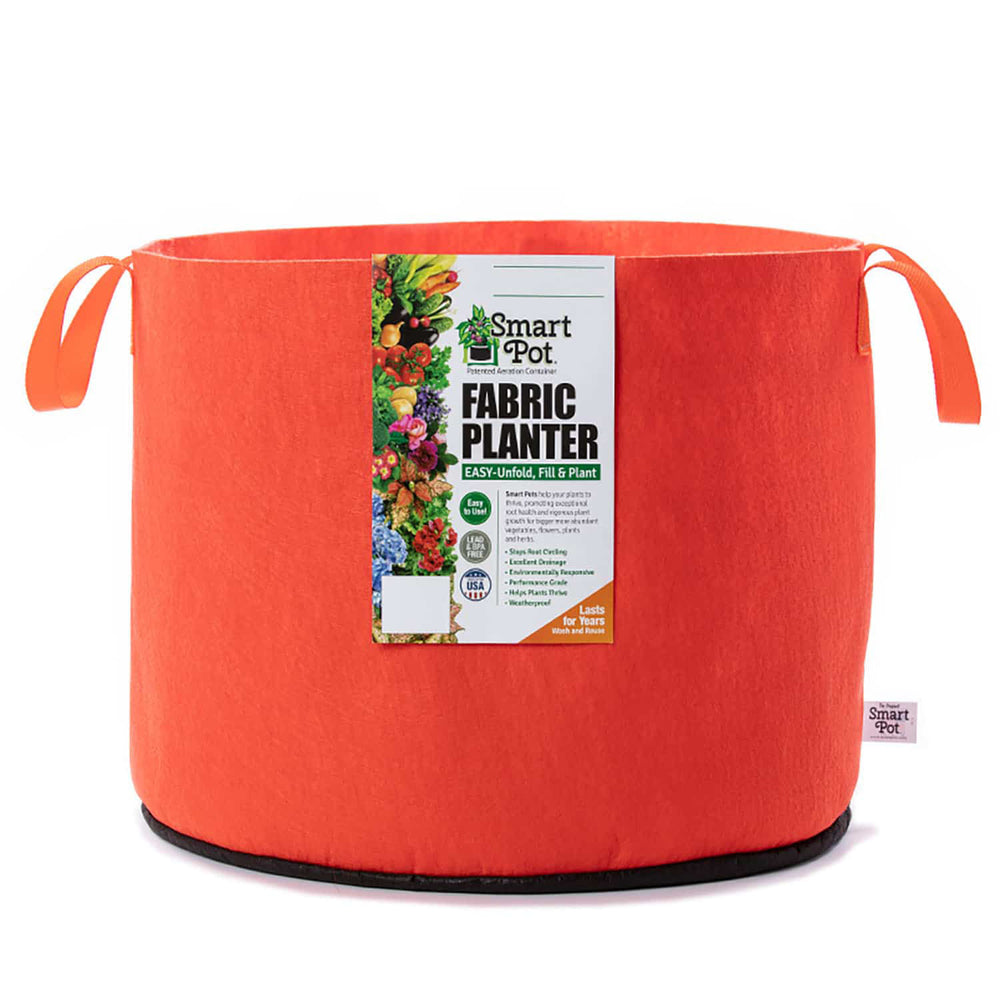
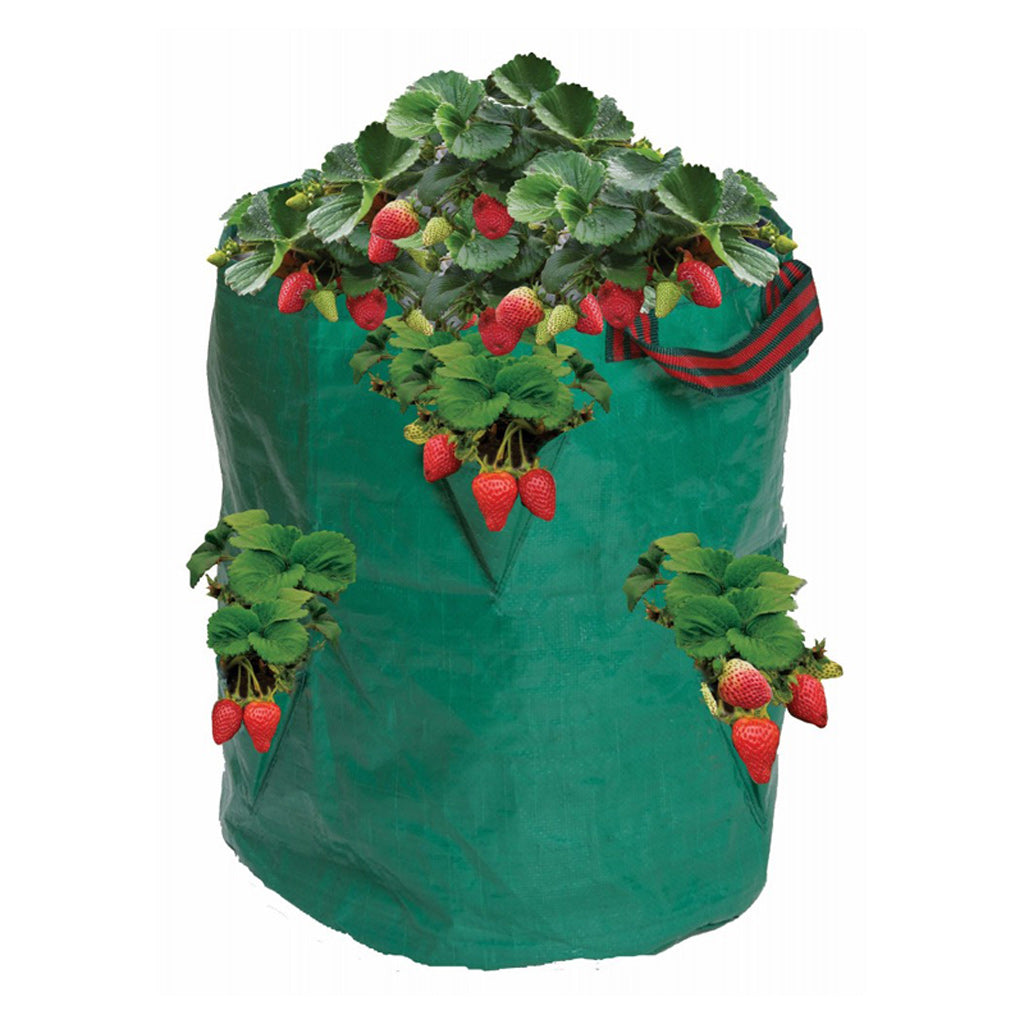
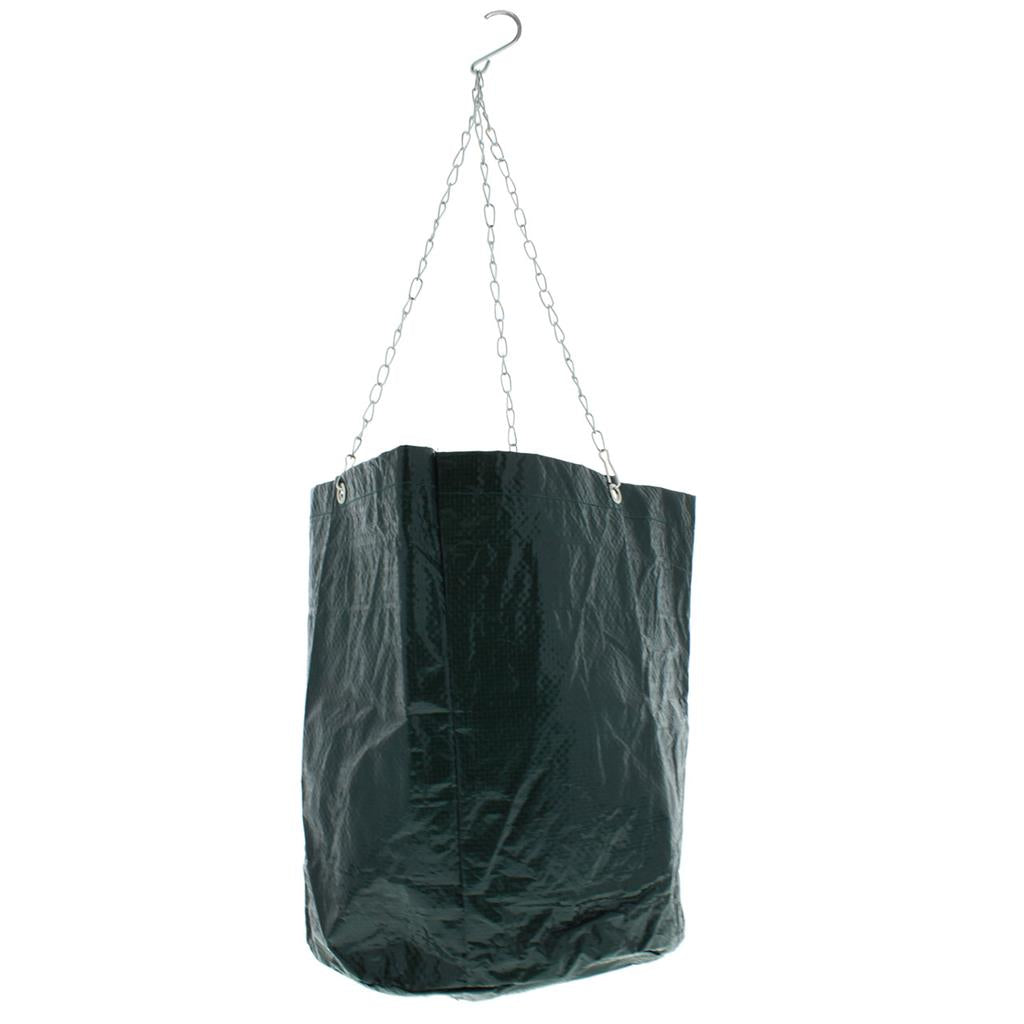
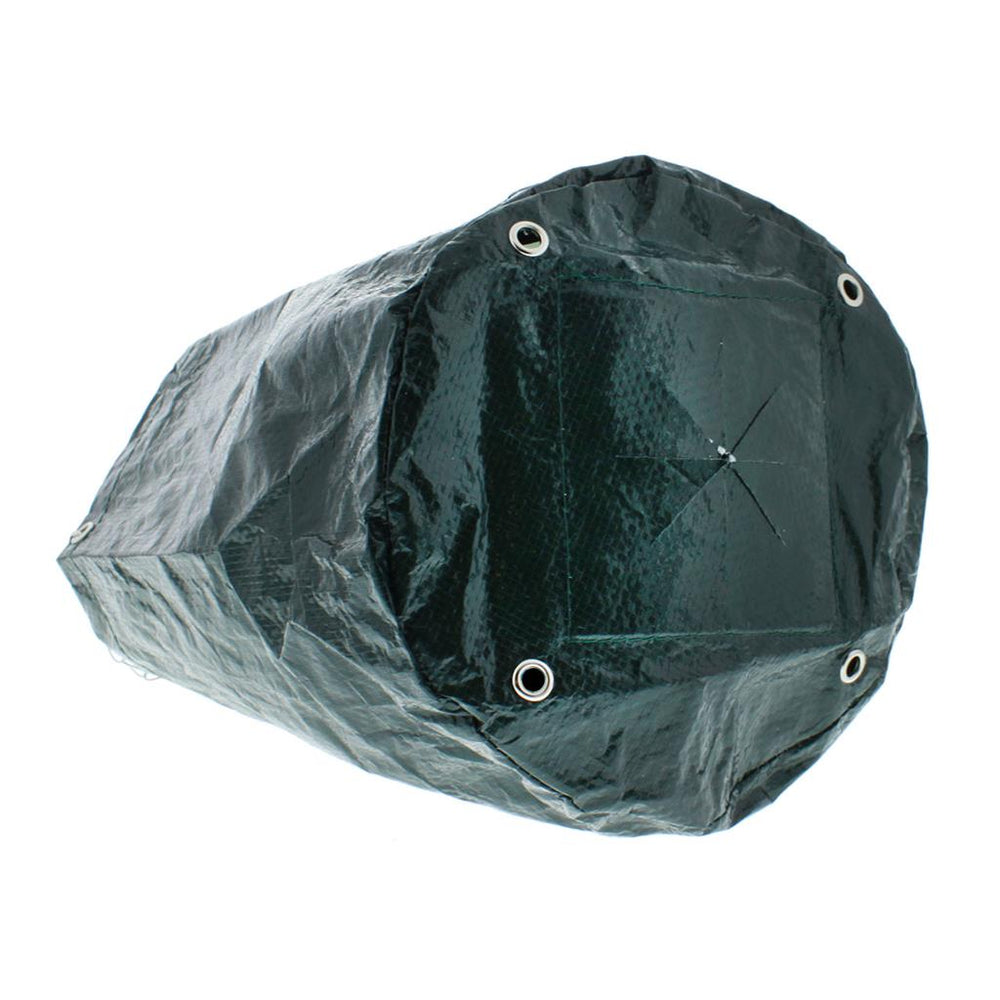
Plant health will always be in the bag with the right containers. Our plastic and fabric grow bags promote better growth and are portable. Use them in a greenhouse, at a retail display or around the home for convenient cultivation.
What are Grow Bags and How Do They Work?
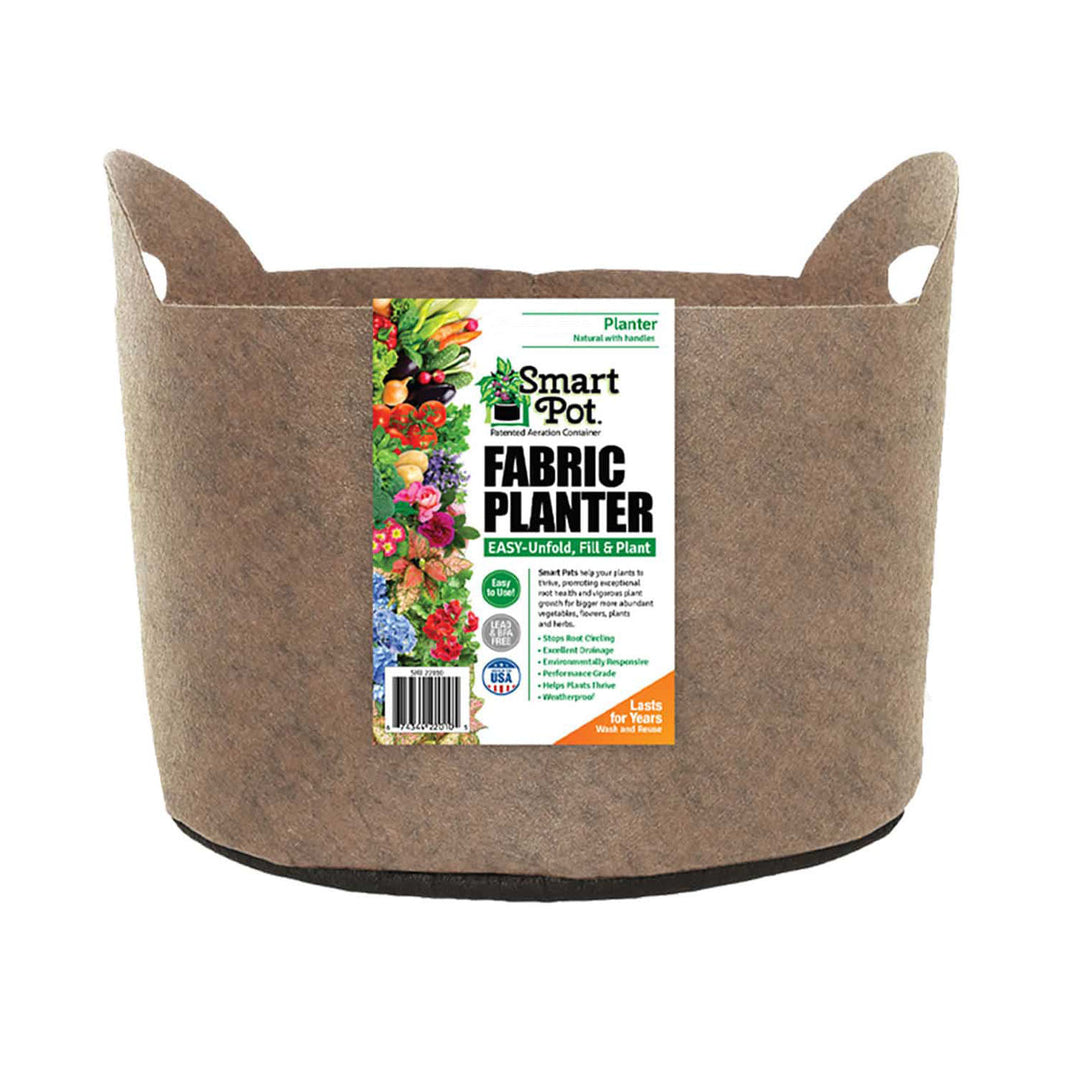
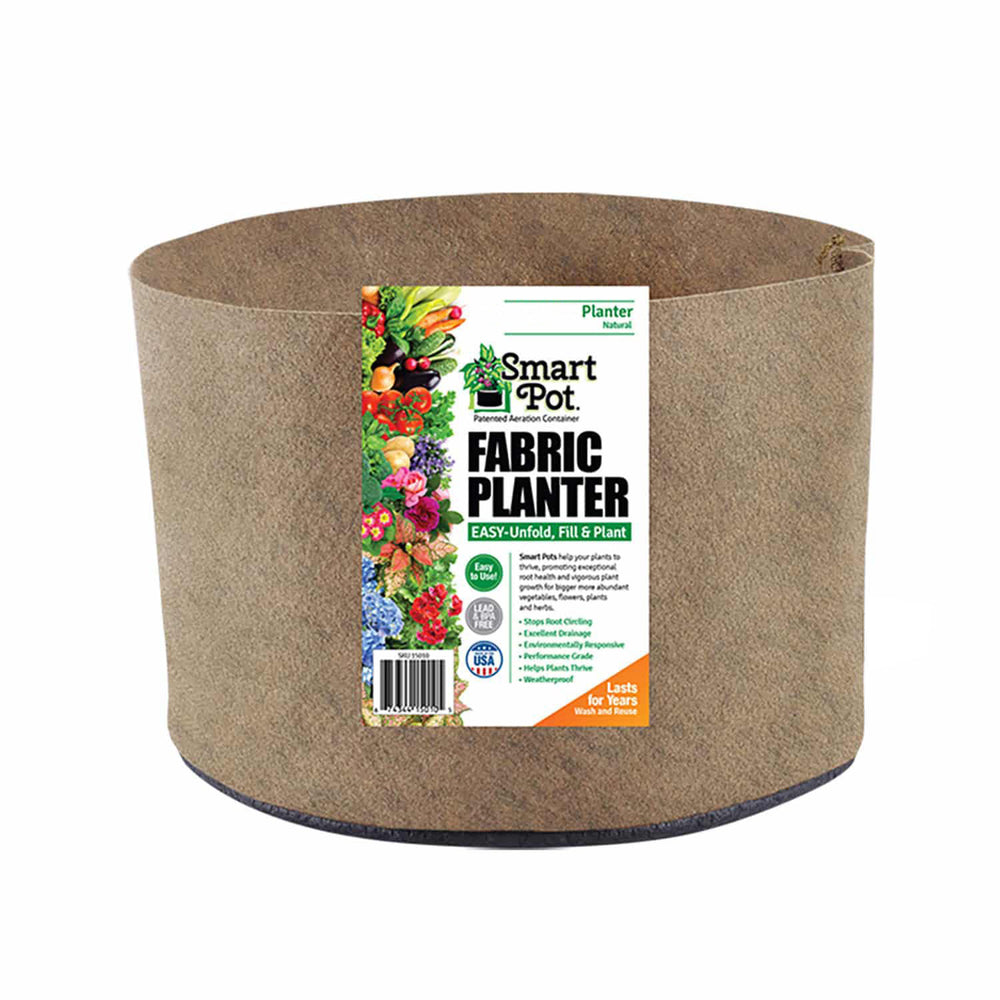
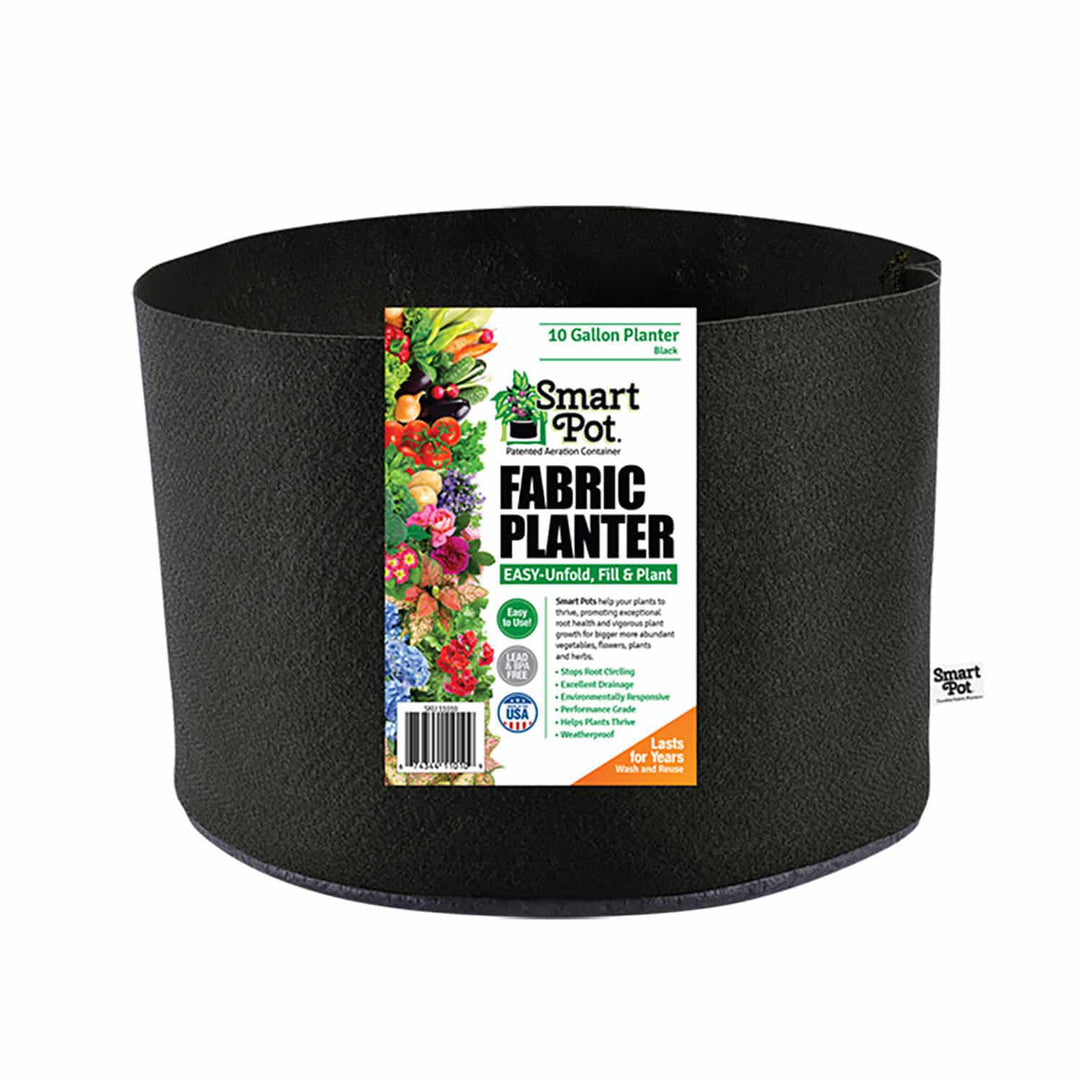
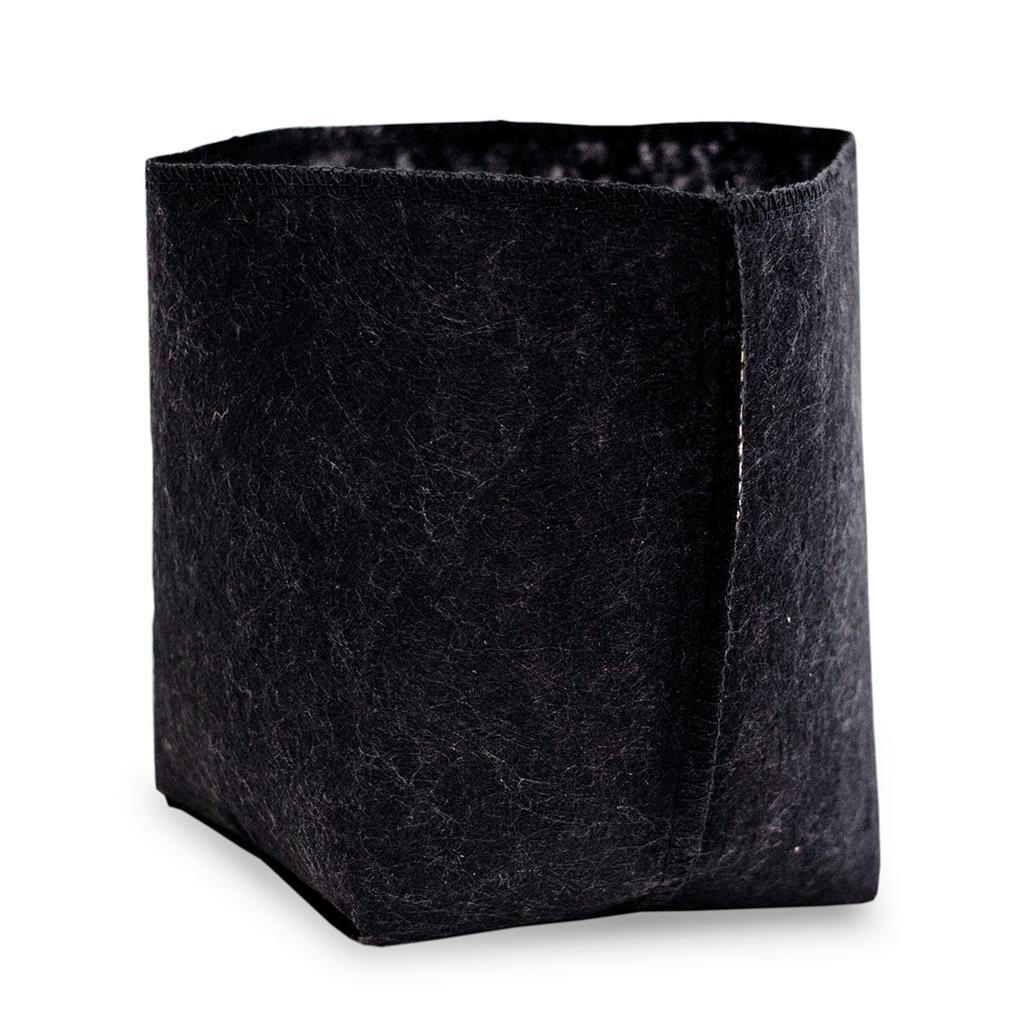
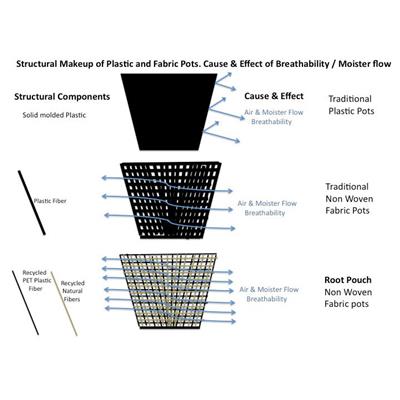
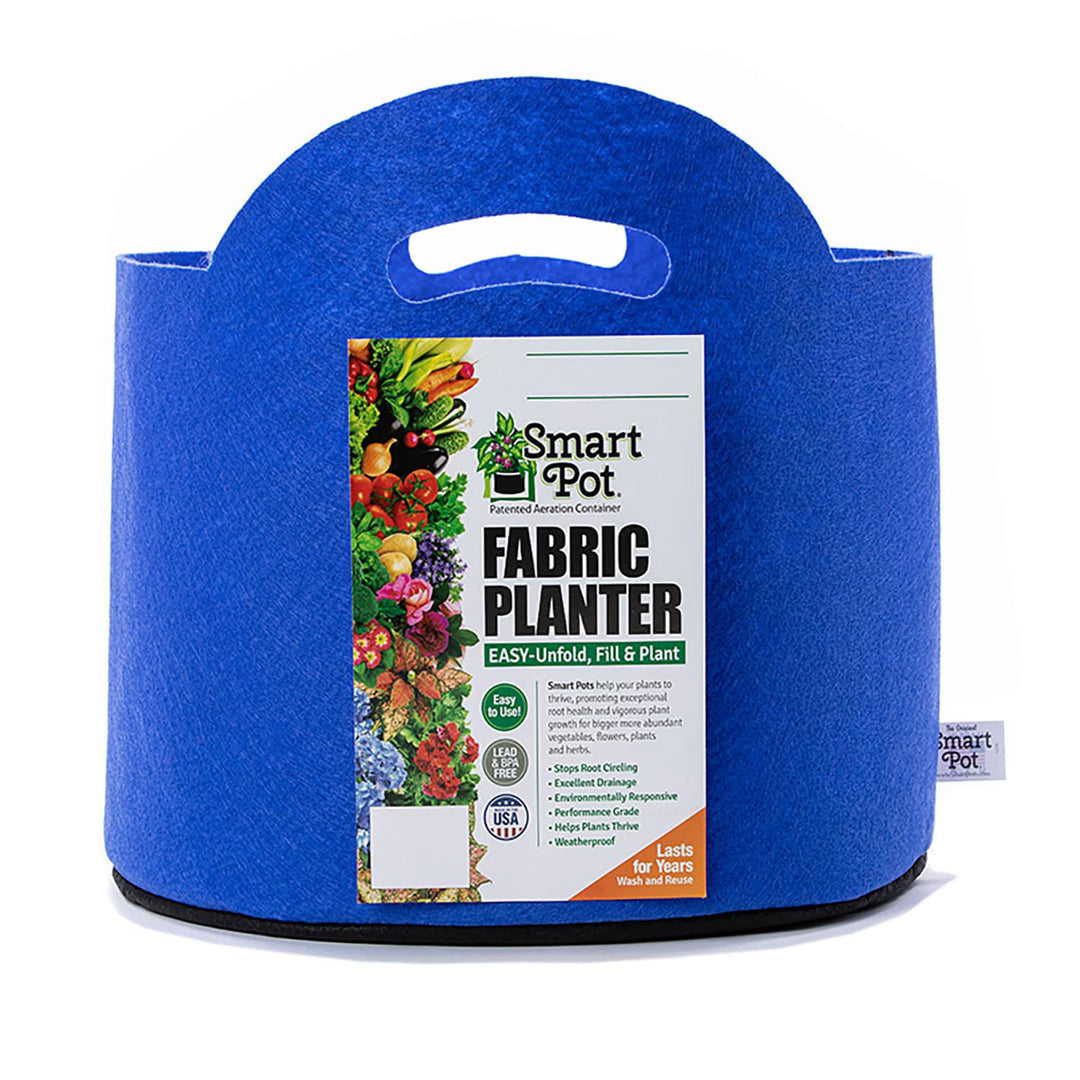
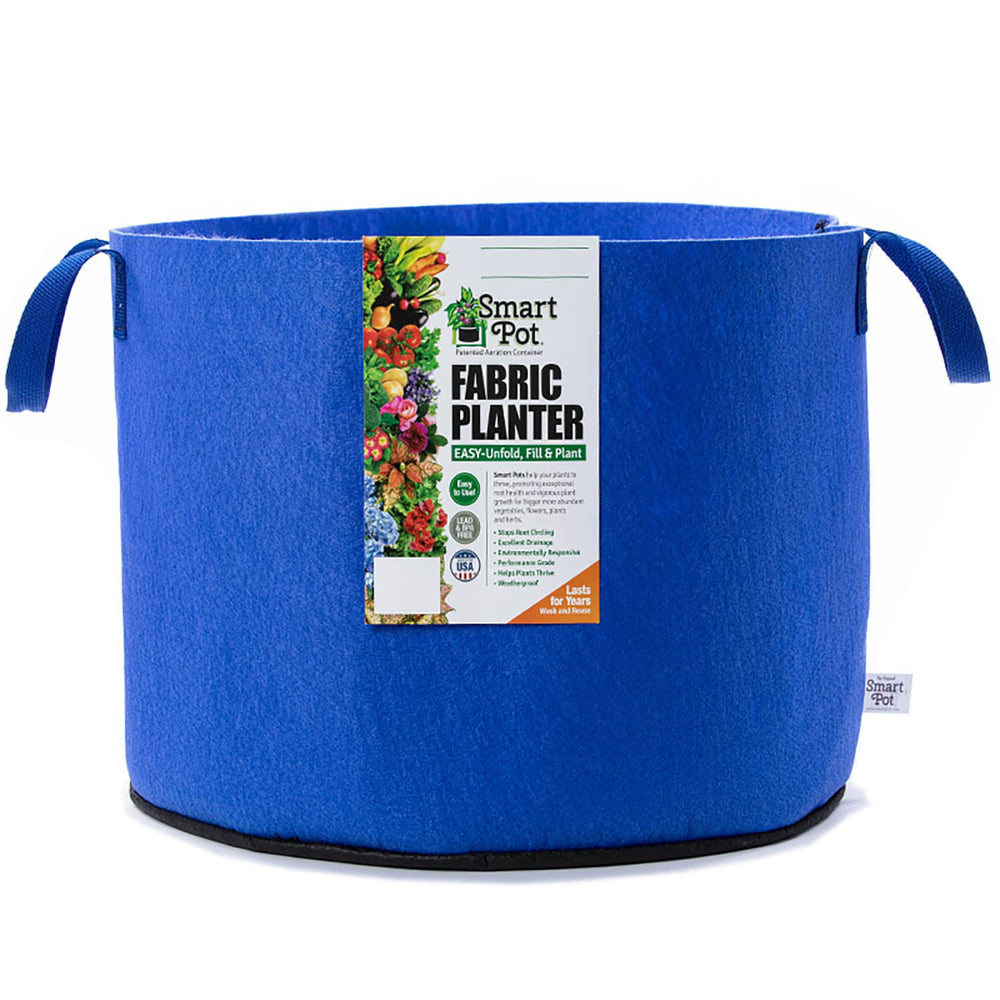
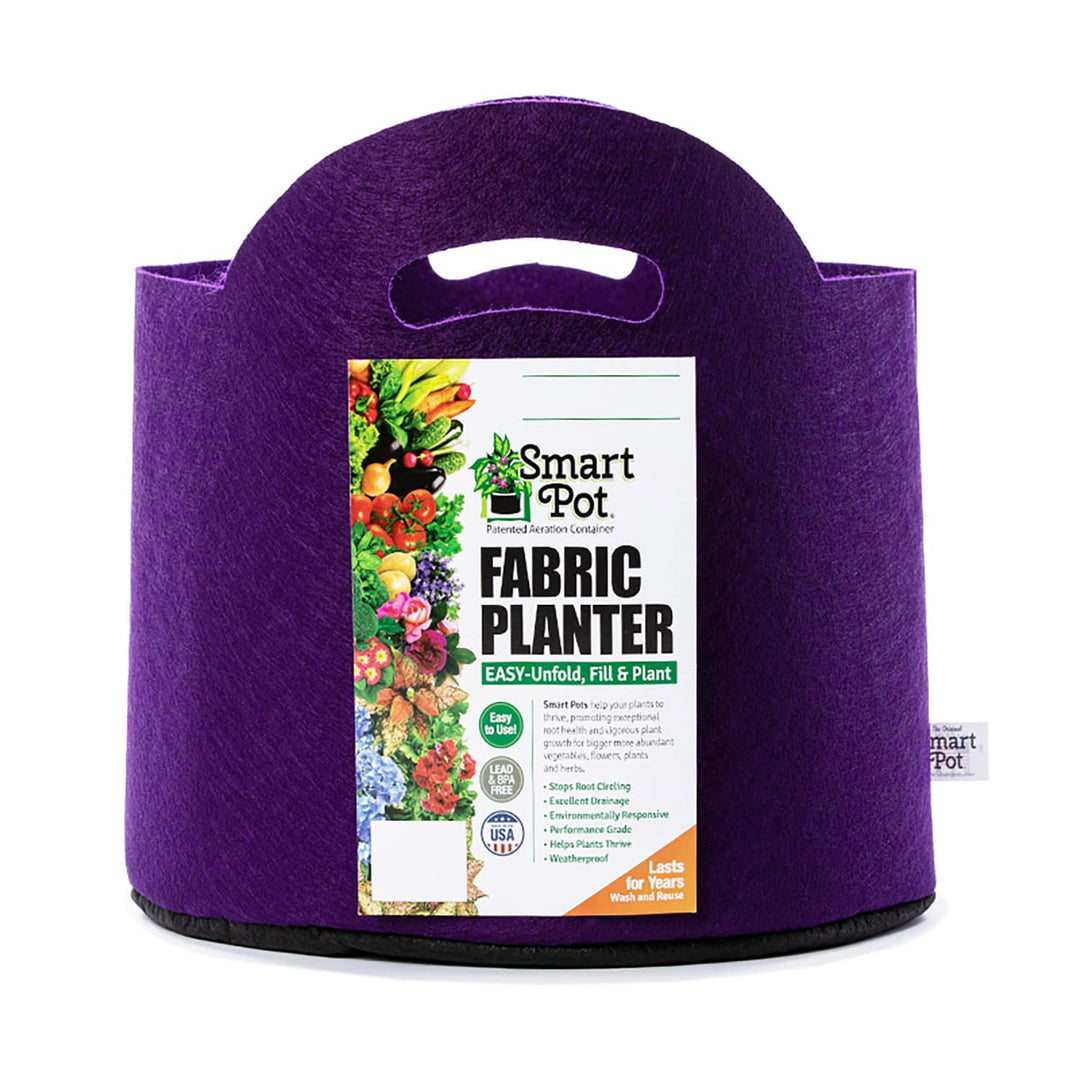
Grow bags are flexible planters made from fabric or heavy-duty plastic. They work differently than standard pots because the material allows air to reach the soil from all sides. When roots grow to the edge of a fabric bag, the exposure to air stops them from growing longer. This process, known as air pruning, keeps the roots from circling the bottom and getting crowded. Instead, the plant grows plenty of small, healthy branches throughout the bag, which helps it take in more water and nutrients for a better harvest.
Why Use Grow Bags and Pouches?
Grow bags provide improved overall root health. As a plant contacts the edges of a fabric grow bag or root pouch, its sensitivity to heat and moisture naturally begins the process of "air pruning." This prevents overgrowth of the root system and allows the plant to create a more robust root system without circling. Many grow bags are designed with enhanced drainage, preventing waterlogging and promoting healthy root growth.
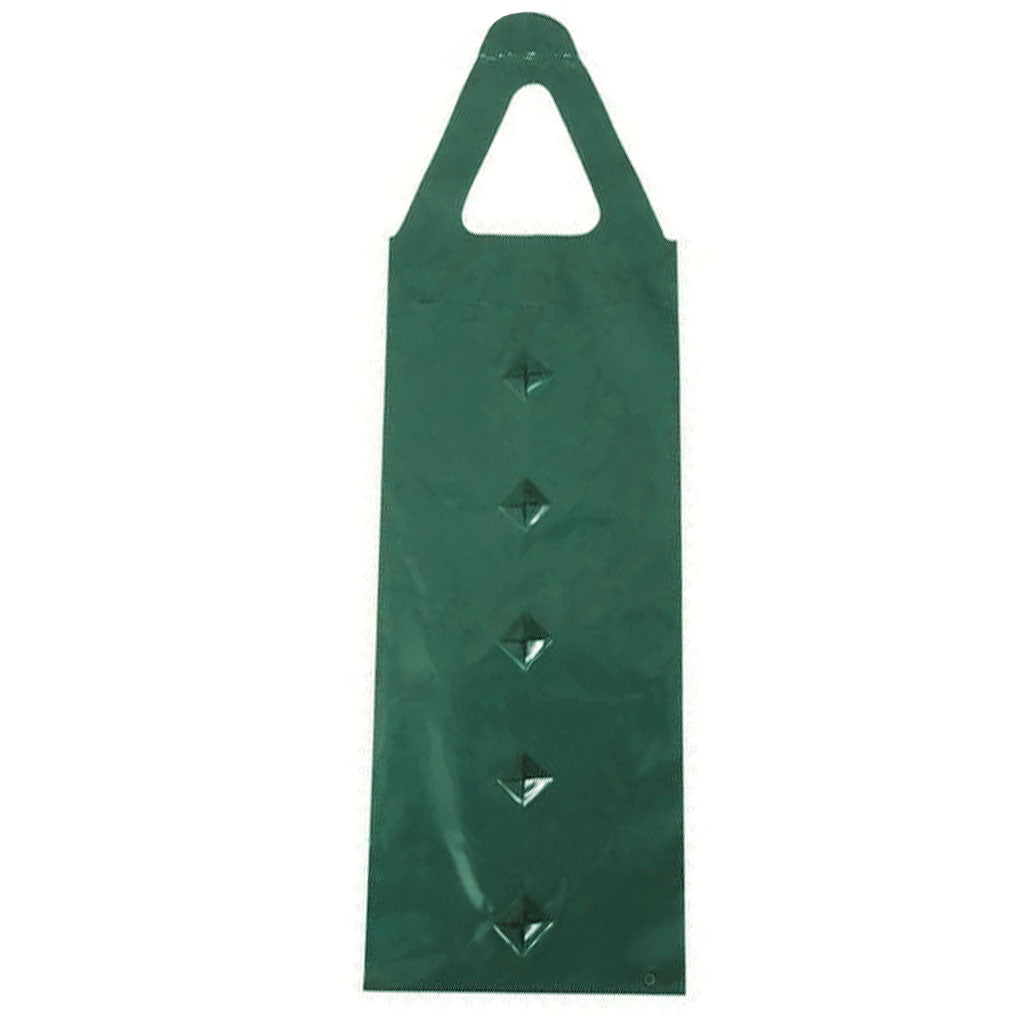
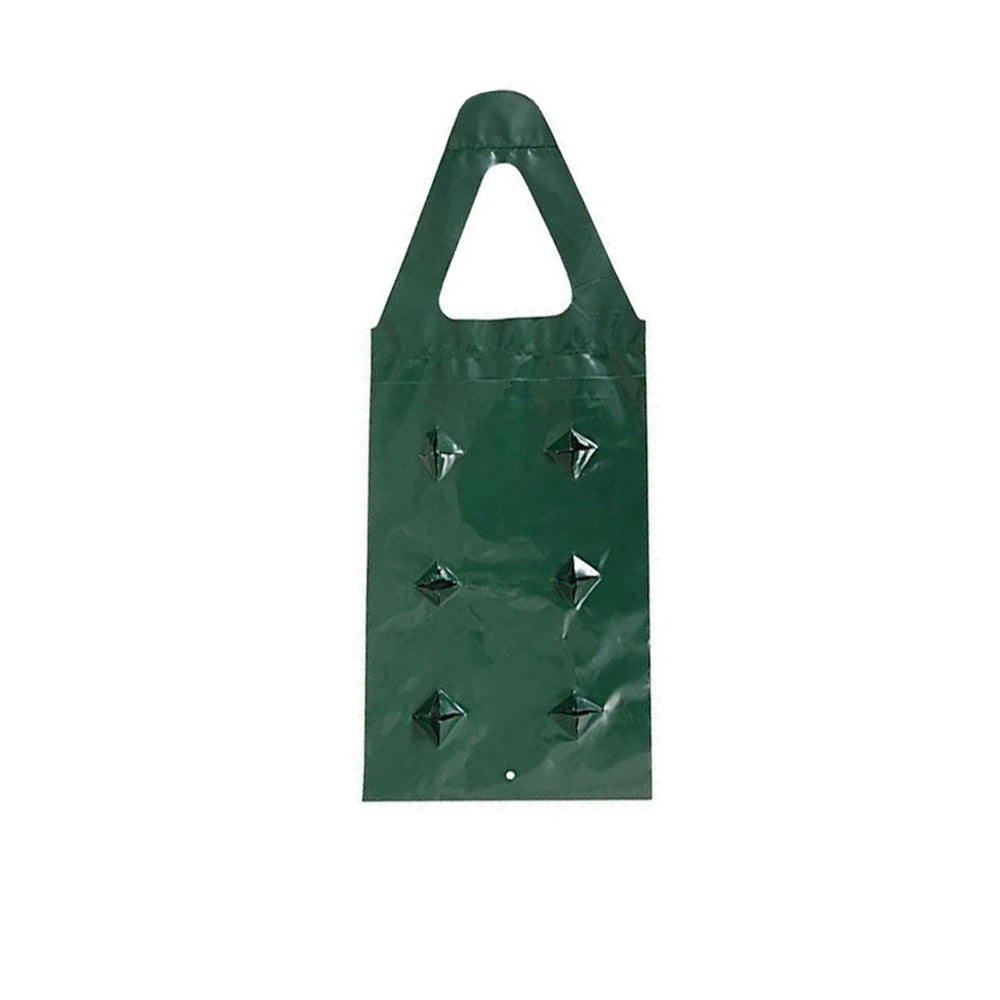
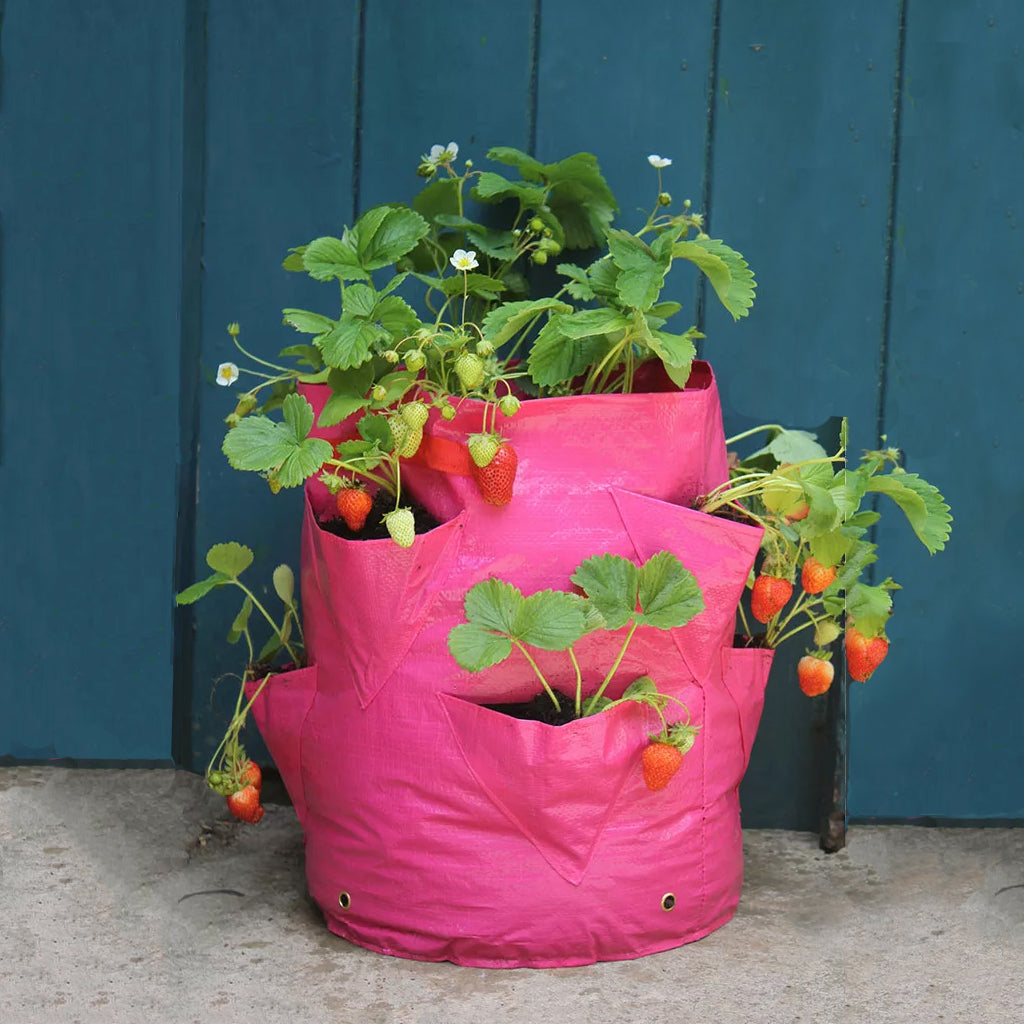
Fabric grow bags also improve temperature regulation and are easy to move and store. Polyethylene plastic plant bags and grow pouches are useful as well, particularly for planting produce on a balcony or patio when you don't have space for a traditional garden. Shop our growing bags to find containers designed for potatoes, strawberries, tomatoes, herbs and other popular DIY crops.
Choosing the Right Grow Bag Size
Make sure your plants have enough room to thrive without wasting extra soil by choosing the right grow bag size:
| Grow bag size | Best for |
|---|---|
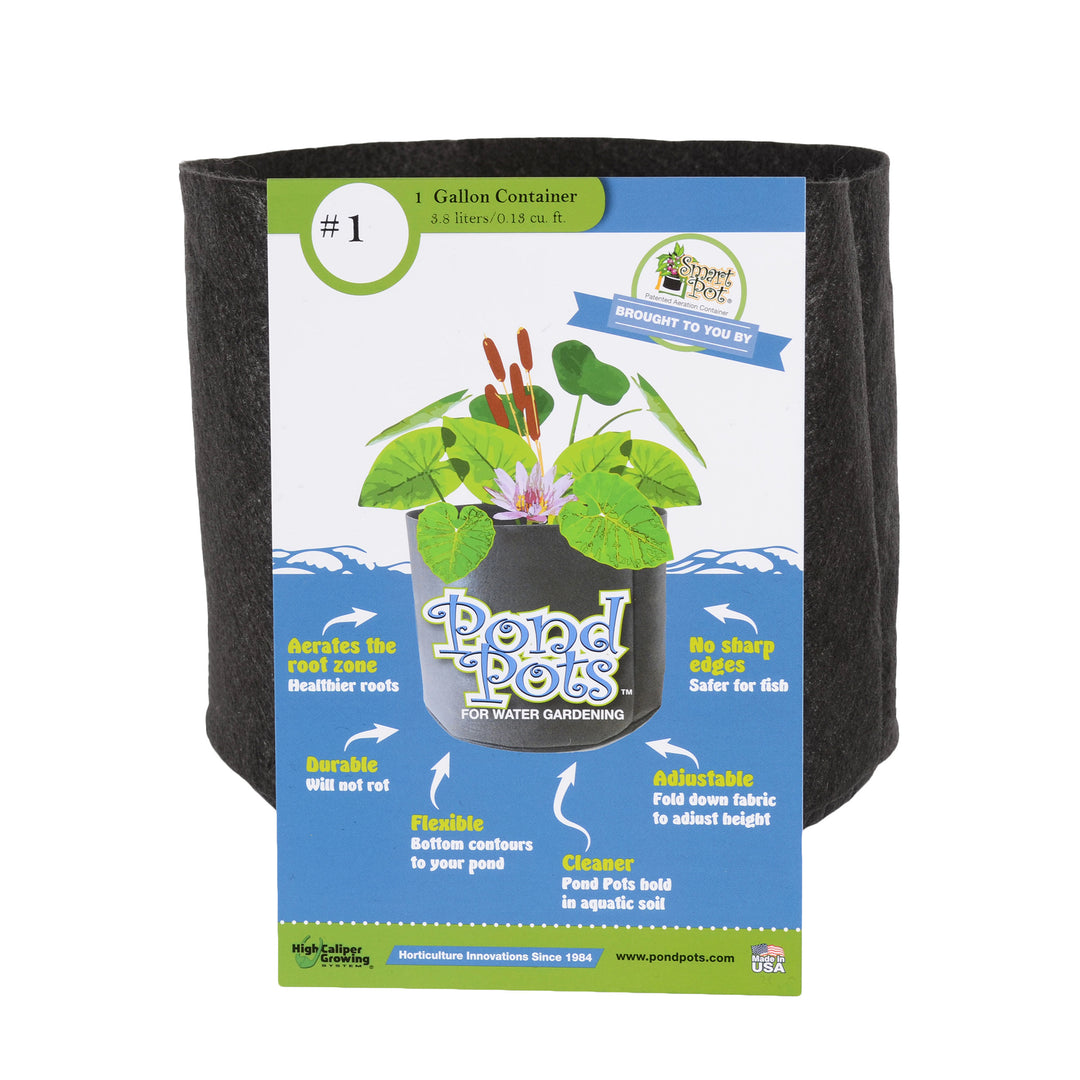
| 1 Gallon | Ideal for individual herbs like chives or basil and small salad greens. These compact pouches fit well on narrow windowsills or small ledges for convenient cultivation. |
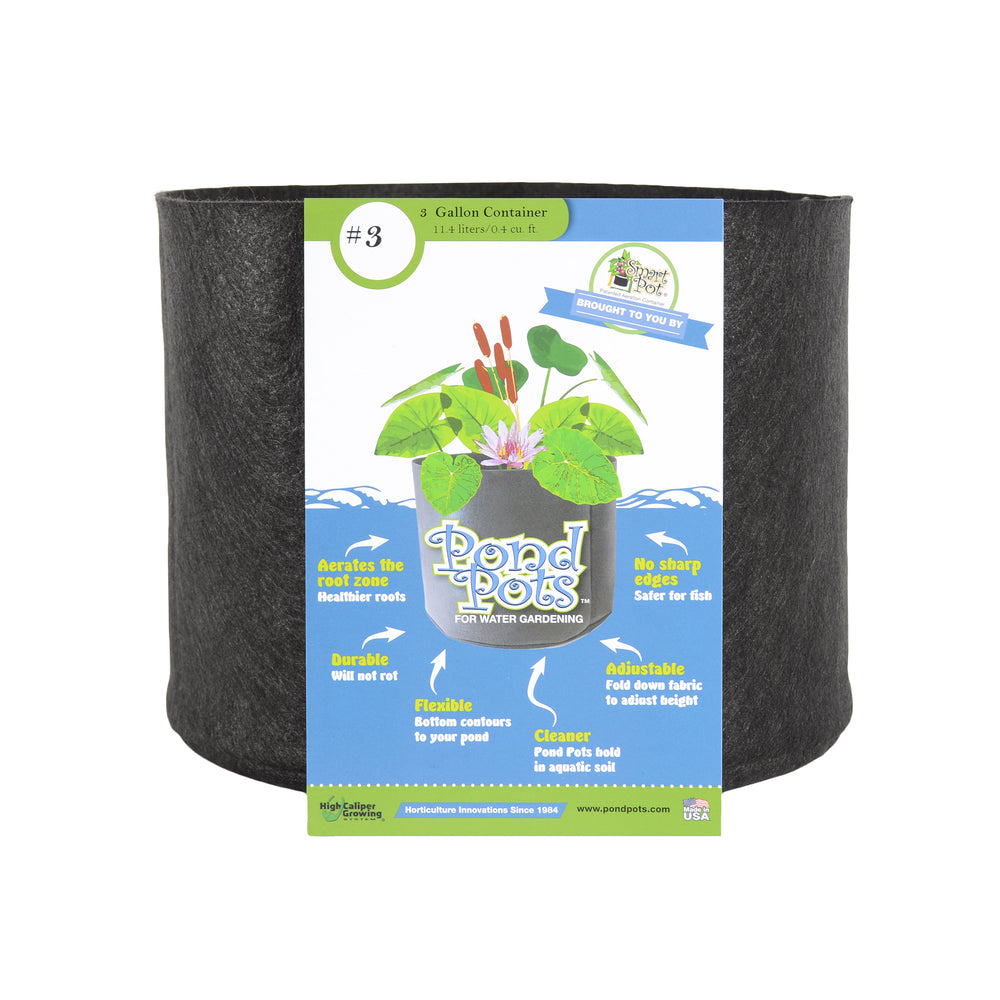
| 3 Gallons | Best for strawberries, peppers, and most annual flowers. This size offers enough depth for healthy root development while remaining portable and easy to move. |
| 5 Gallons | The standard choice for determinate tomatoes, eggplants, and cucumbers. It provides a stable base and holds enough moisture for heavy-feeding vegetables in a greenhouse or patio setting. |
| 7 - `10 Gallons | Suited for large indeterminate tomatoes, broccoli, and cabbage. The extra volume supports extensive root networks and promotes better growth by preventing the soil from drying out too quickly. |
| 15 Gallons | Recommended for root crops like potatoes and sweet potatoes, as the width allows for tuber expansion. It also works well for small blueberry or raspberry bushes. |
| 20 - 45 Gallons | Designed for small fruit trees, large decorative shrubs, or multiple vine crops like squash. These bags function as flexible, semi-permanent gardening solutions. |
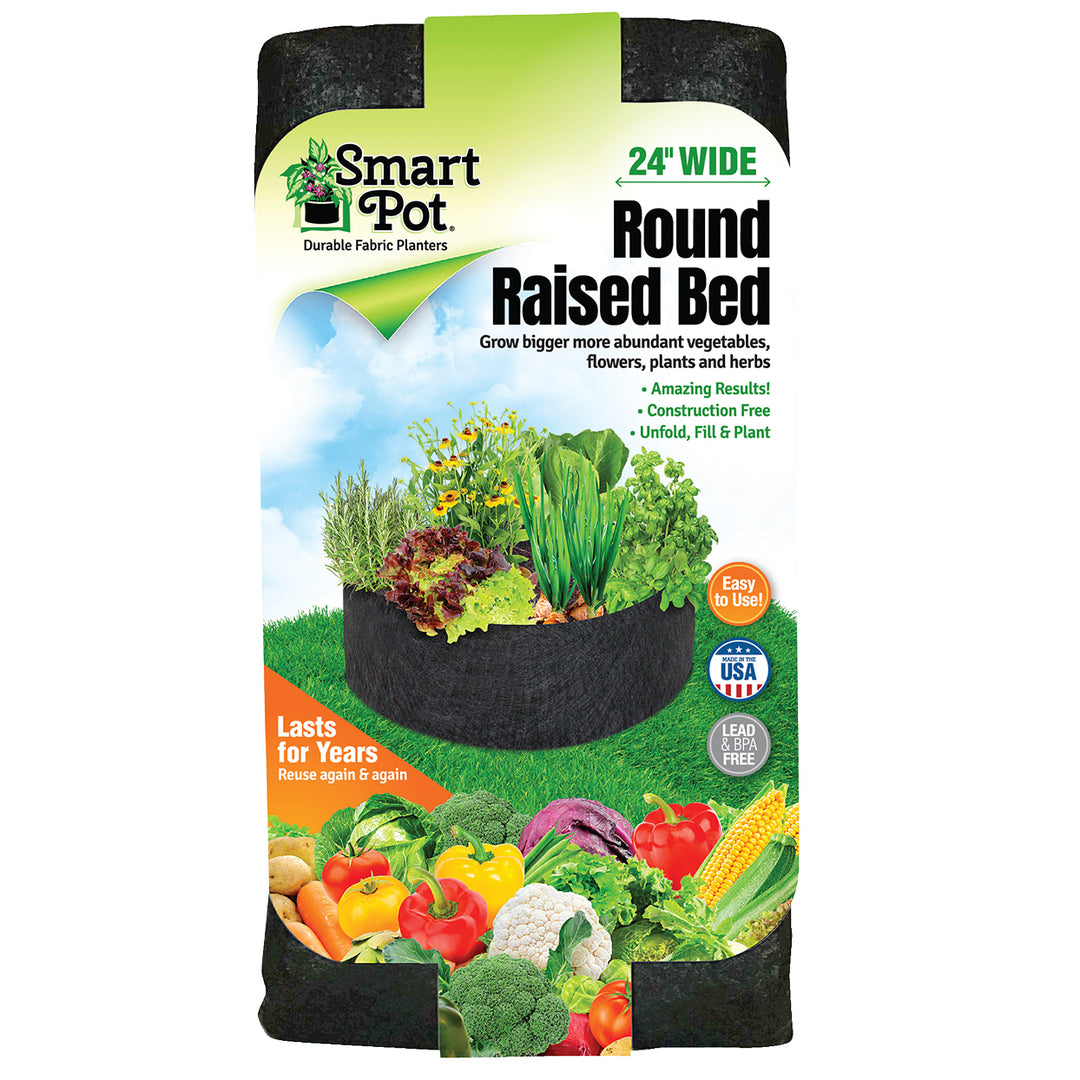
| 100 Gallons | These high-capacity squat planters serve as portable raised beds for entire mini-ecosystems, deep-rooted perennials, or large-scale retail displays. |
Best Grow Bags for Plants
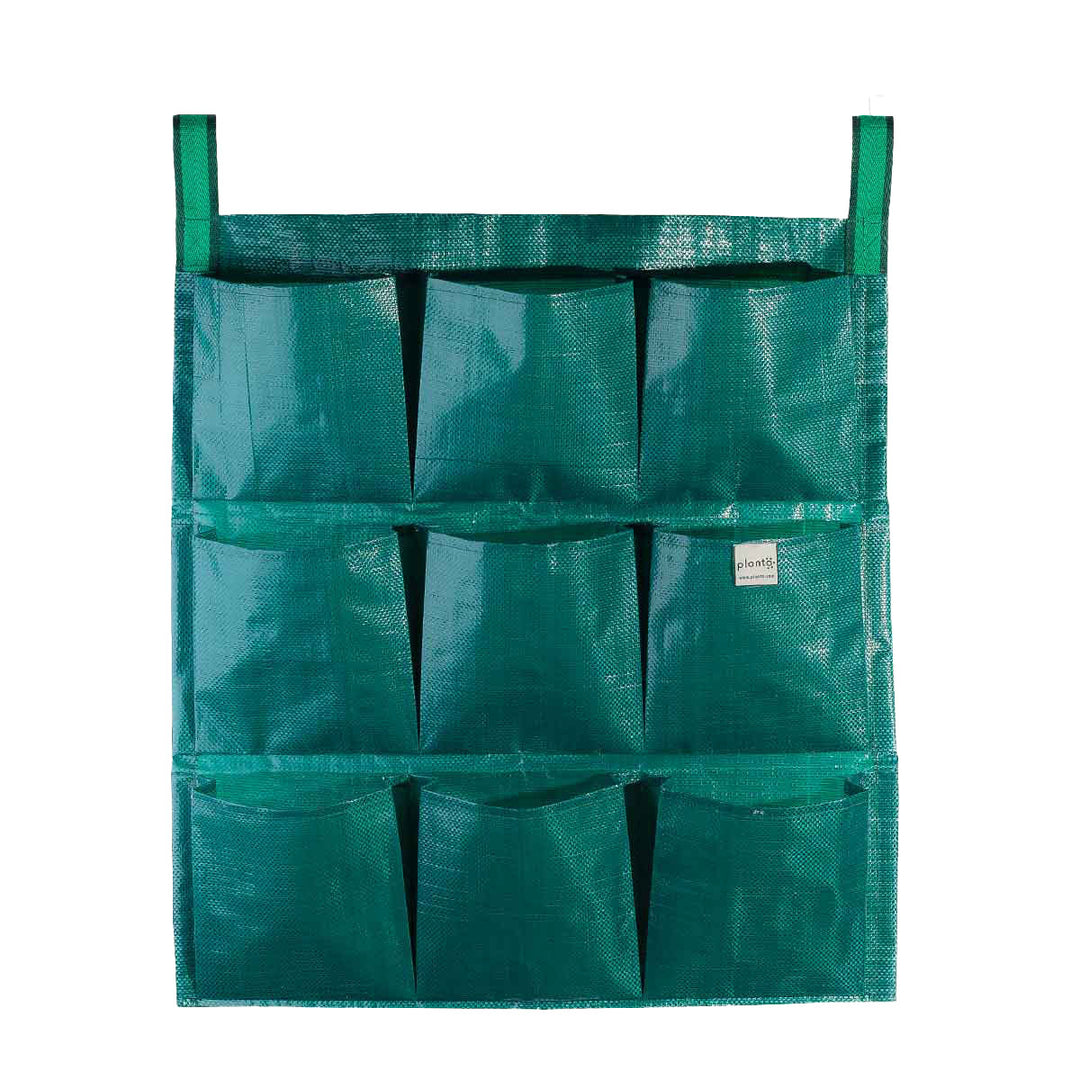
We have a wide-ranging collection of grow bags, fabric pots, root pouches, and fabric containers in a variety of sizes, styles and colors. From hanging flower pouches to raised beds and collapsible bags, Greenhouse Megastore can help you find reusable plant grow bags to suit your needs. Most grow bags we sell are BPA-free and have multiple uses - for example, Root Pouch Fabric Pots can be used for in-ground planting, pot-style planting, with various types of soil, drip irrigation and even hydroponics.
If you've never used a grow bag before, our team is here to assist you. Call Greenhouse Megastore at 1-888-281-9337 to speak with a sales associate. We have a Price Match Guarantee and ship orders over $99 for free in the contiguous U.S.
FAQs About Grow Bags
How do I use grow bags?
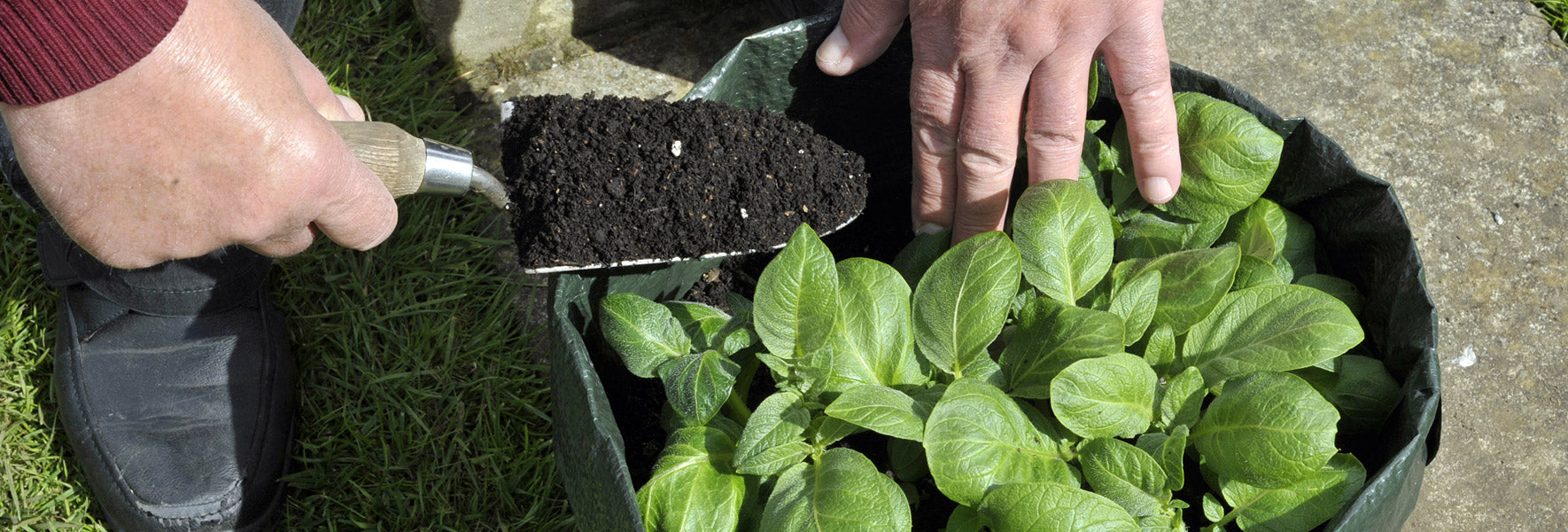
- Prepare and fill: Fill the bag with a light, well-draining potting mix. Leave a couple of inches at the top to prevent water and soil from spilling over.
- Plant: Set your seeds or transplants at their required depth and firm the soil gently to remove air pockets.
- Water: Check the soil daily, as fabric bags dry out faster than plastic. You can hand water them or easily set up a drip irrigation system for consistent moisture.
- Placement: These bags are portable and work anywhere. For indoor use, simply line a decorative pot or use a tray to catch drainage.
Can grow bags be used indoors?
Yes, grow bags are suitable for indoor greenhouse or home use when paired with a waterproof tray or liner. Using a liner protects surfaces from moisture and helps manage the runoff that naturally occurs due to the porous material.
How long can plants stay in grow bags?
Many plants can stay in these bags for several years, and the bags themselves are durable enough to be washed and reused for multiple seasons. Since the fabric prevents roots from circling, your plants will stay healthy and won't get root-bound as quickly as they would in a standard pot.
What material is best for grow bags?
High-quality, BPA-free breathable fabric is the best choice for healthy root development and temperature control. While plastic bags are a cost-effective option for simple projects, fabric containers offer better aeration and are safe for growing edible crops.