



Insect Netting
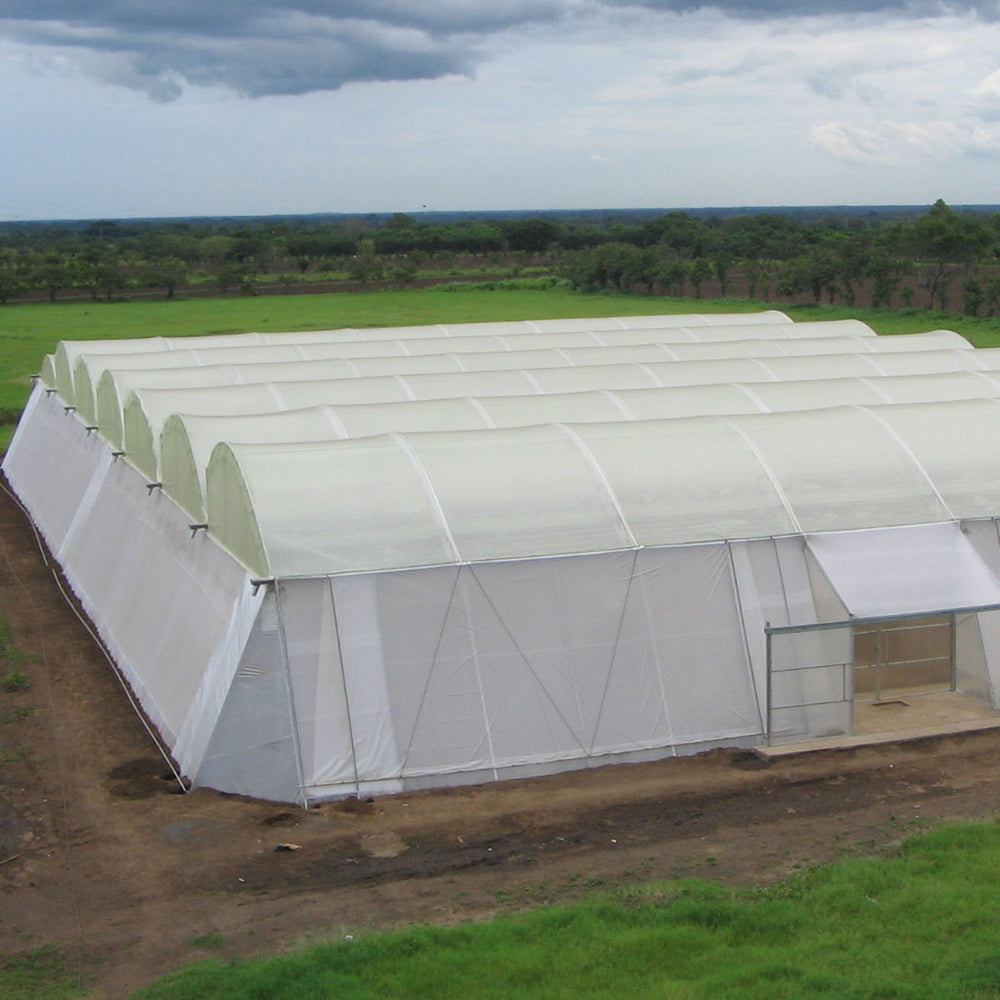
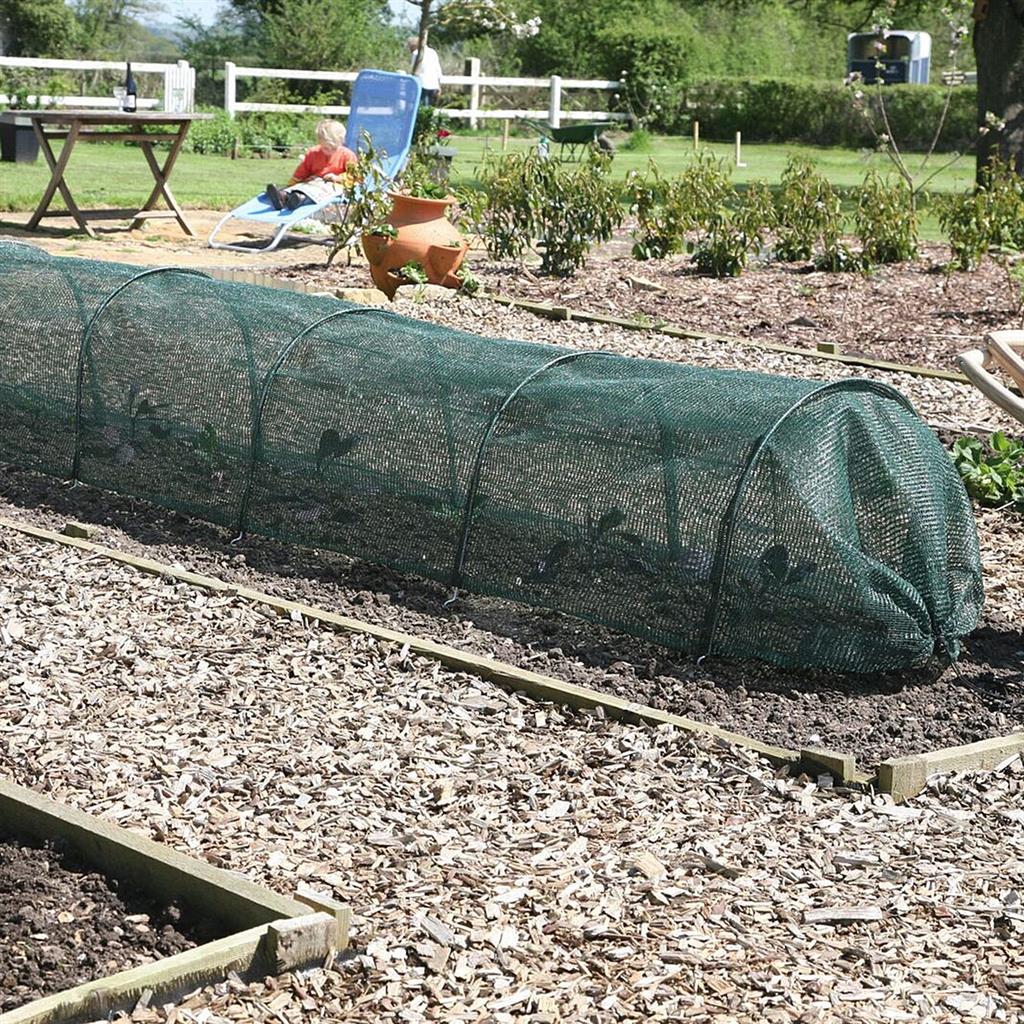
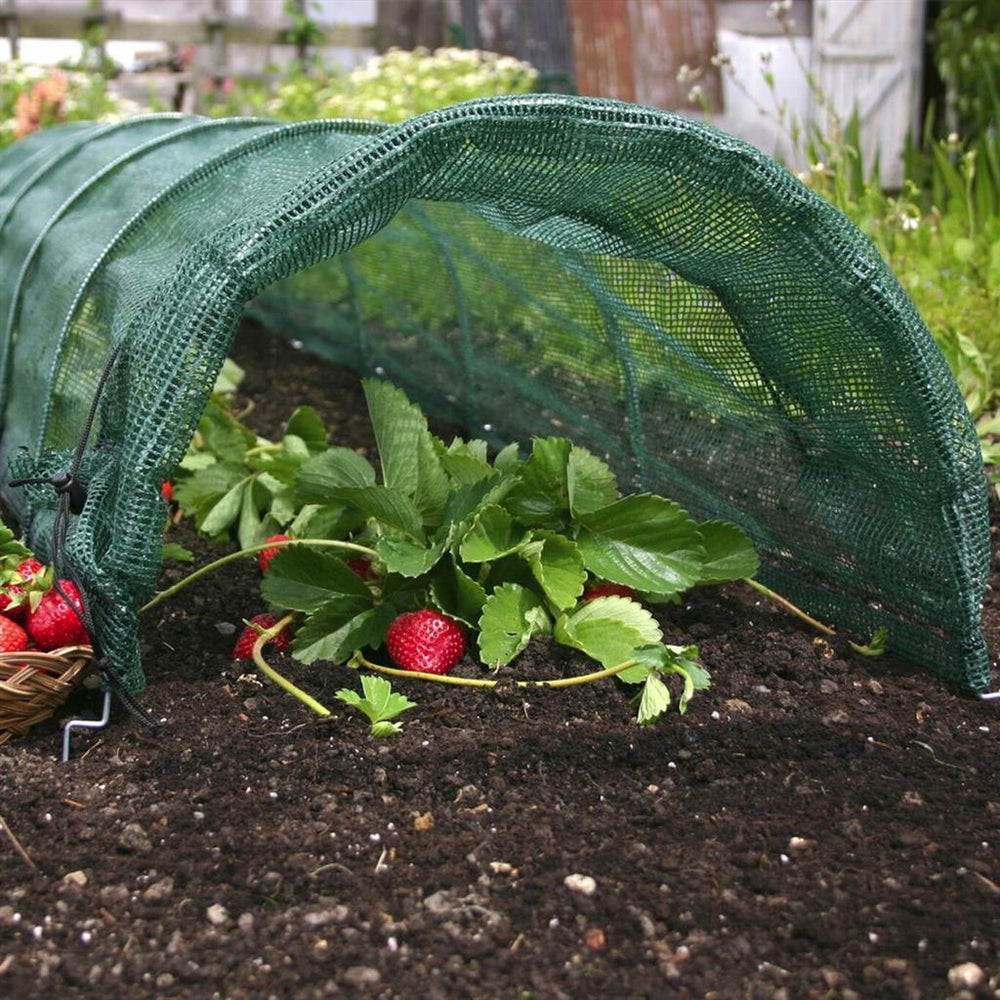
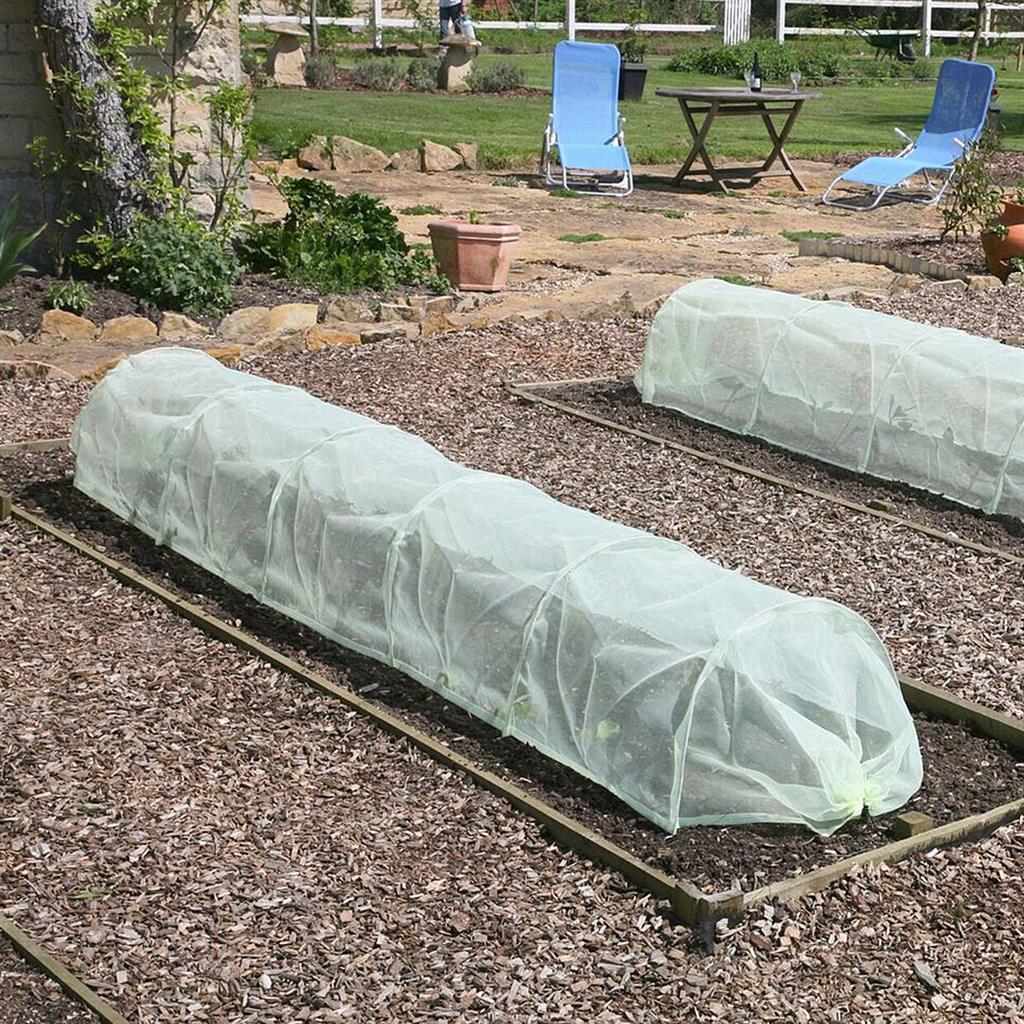
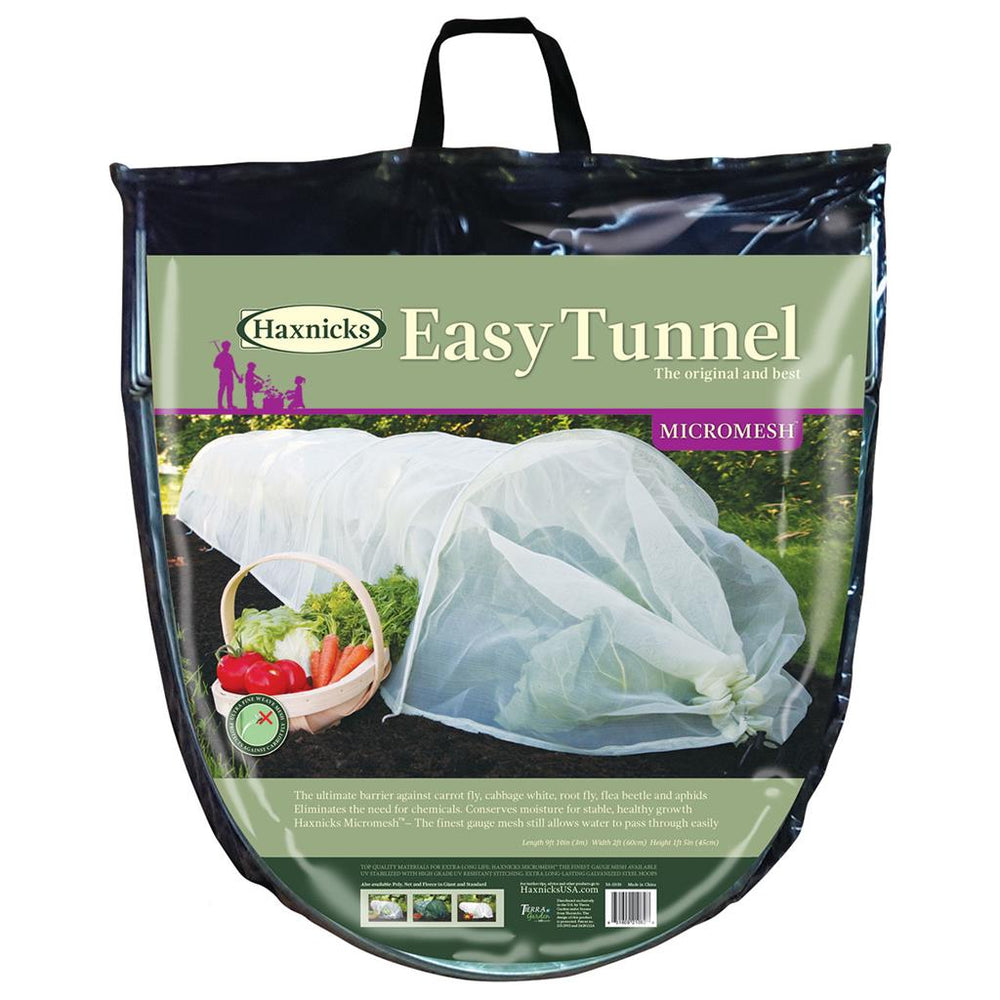
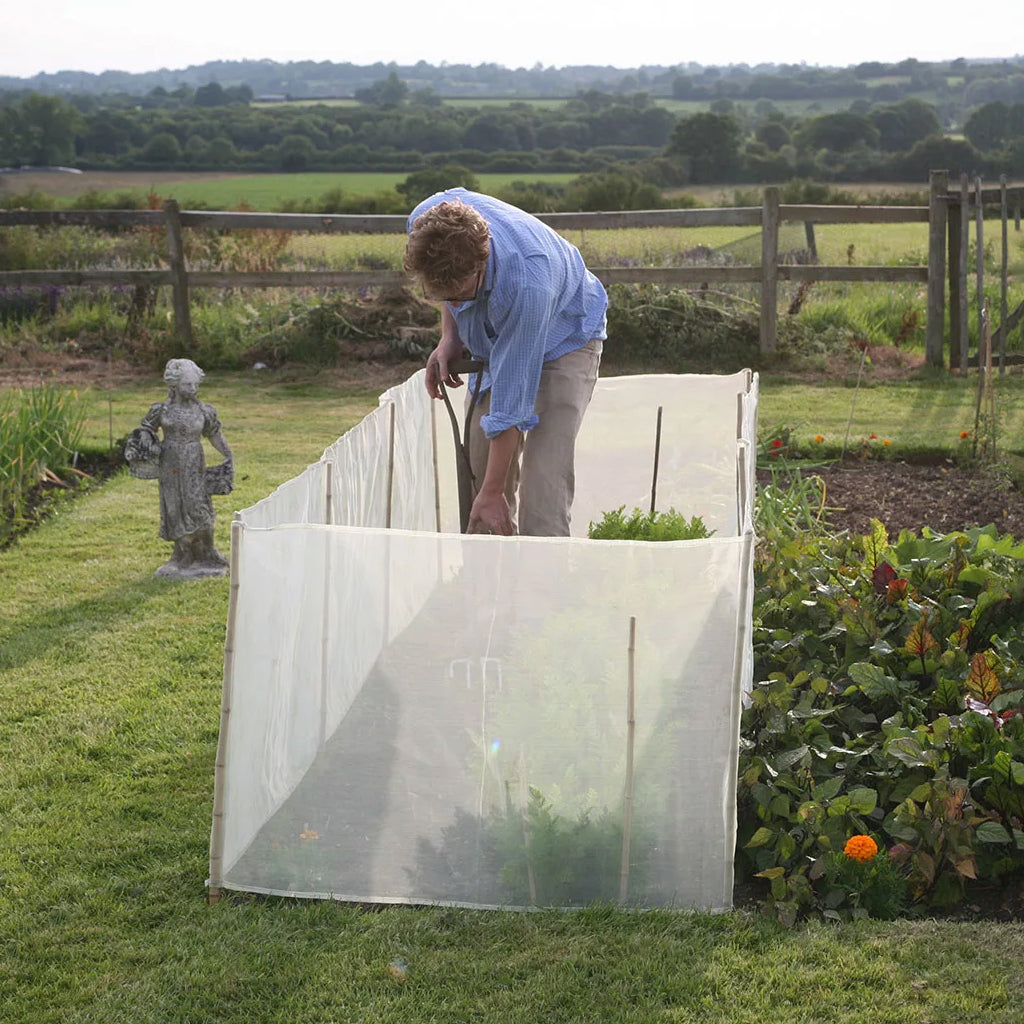
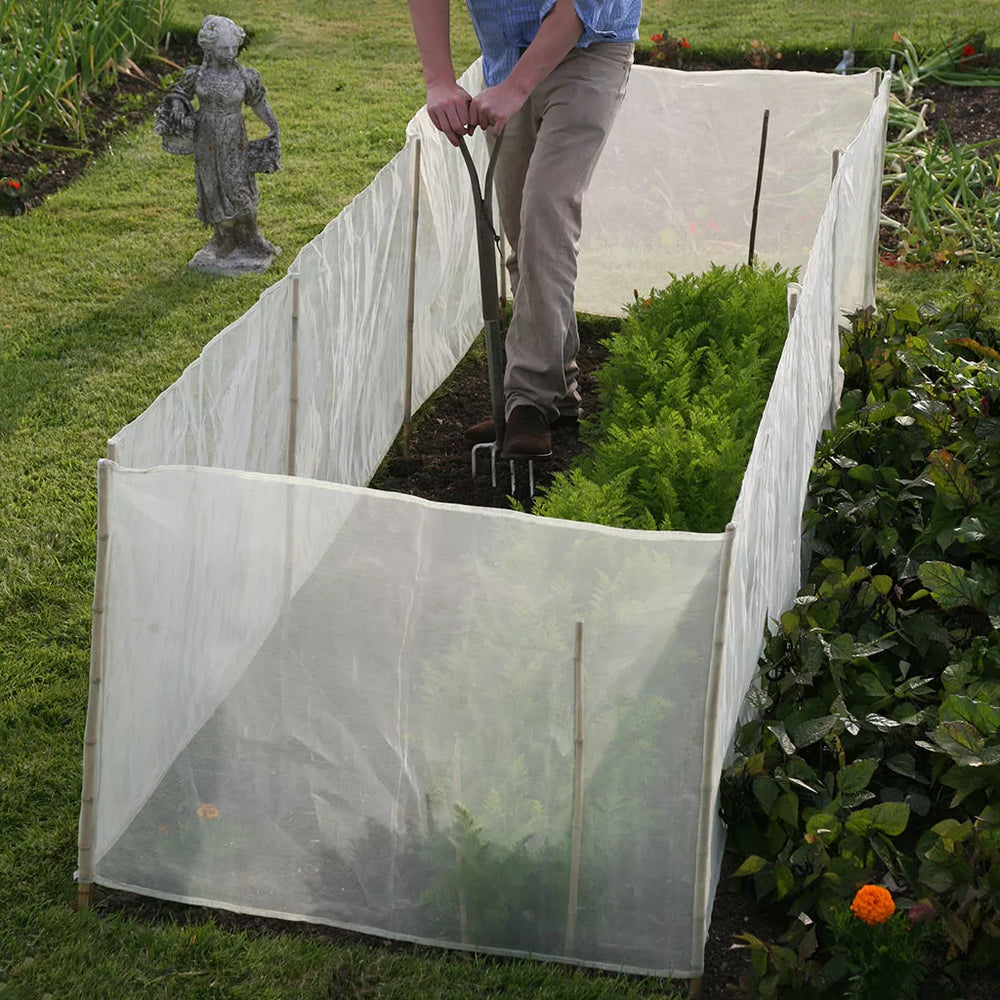


Garden Insect Netting
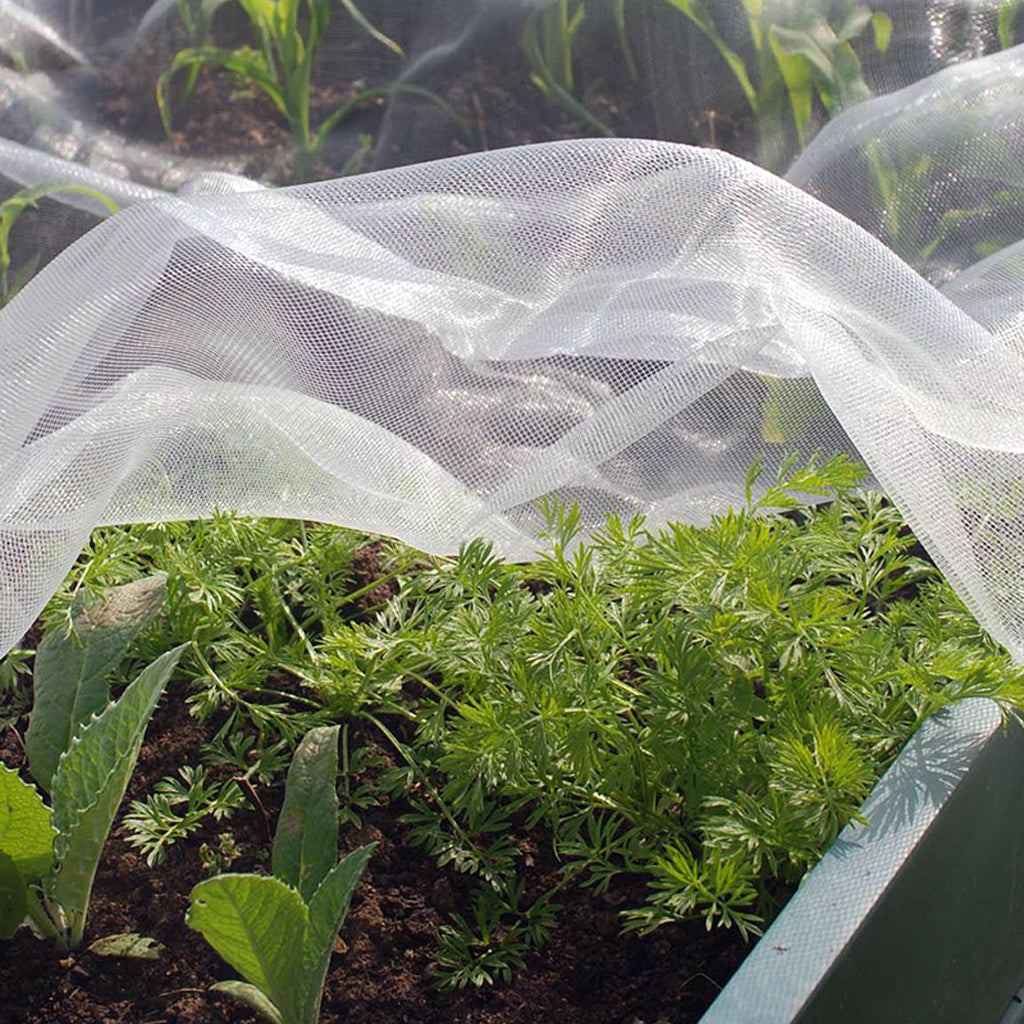
Don't let all your hard work in the garden, greenhouse, or raised bed be ruined by uninvited pests. Our insect netting for gardens forms a barrier against bugs, and they also block birds, small animals and other critters. Protect flowers and vegetables without causing harm to wildlife or the environment.
Benefits of Using Greenhouse Insect Netting
Using nets and screens with small holes will stop many insect pests from getting to prized crops, reducing the need for insecticides or traps. This can help improve your crop yields by minimizing pest damage. Rainwater and mist can still fall freely to the soil, and most nets allow 80-90% light transmission for healthy plant growth. Garden netting for insects is a fine choice when you want to grow plants in open areas and don't require insulation.
Fine Mesh Insect Netting and Screen Types
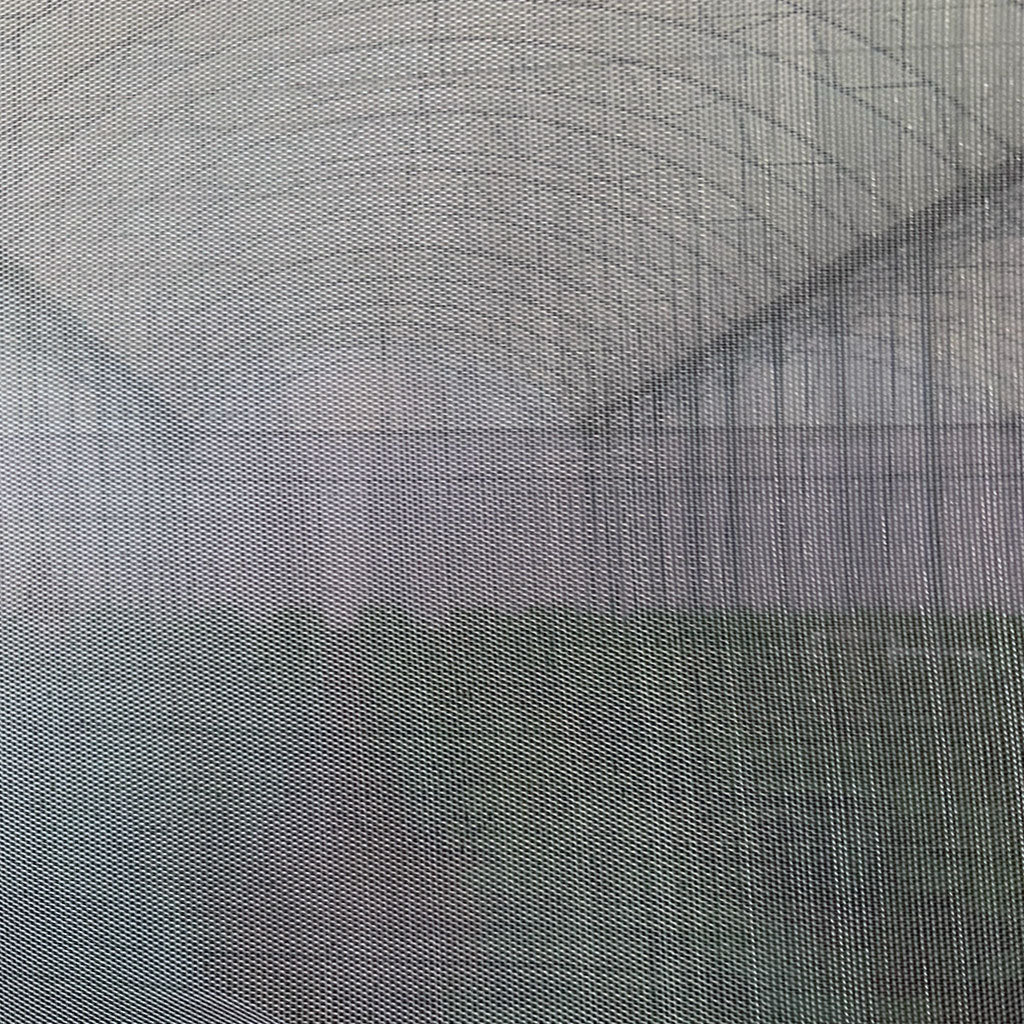
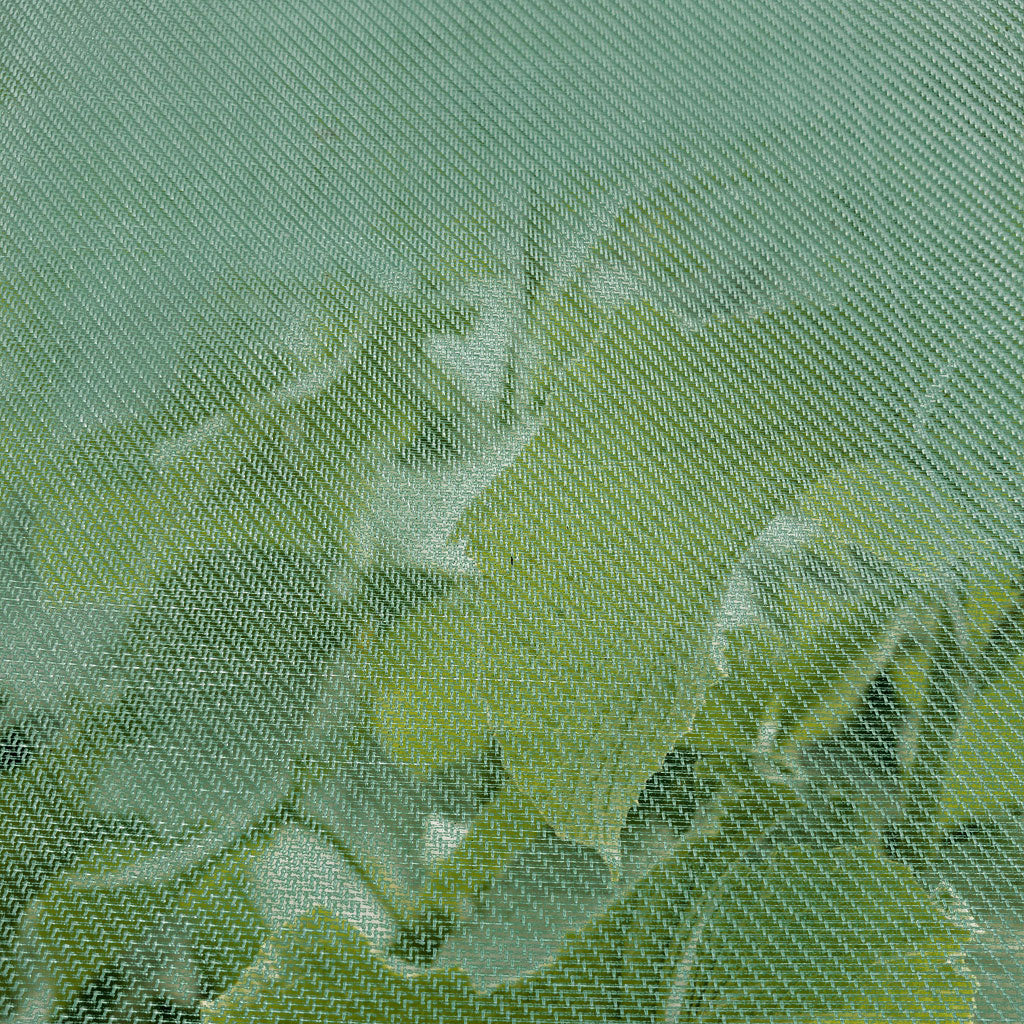
Greenhouse Megastore has an assortment of anti-insect screens for greenhouses and gardens. Fine mesh insect netting uses holes roughly 0.27mm x 0.77mm to ward off common winged insects like leaf miners. With extra-fine No Thrip Insect Screen, you can block these micro-bugs plus whiteflies, melon aphids and much more. Shop for insect net tunnels, pest and wind barriers and other protective netting. These screens are made of materials of polyethylene and monofilament that resist water and UV fading.
Eco-Friendly Pest Control with Bug Netting
Bug netting for garden and greenhouse growers is a humane pest control method that's easy to set up. We guarantee the best prices on high-quality netting - if you find a lower price at any online competitor's store, we'll match it. Click on a net to see its technical specifications or call us toll-free at 1-888-281-9337 with any questions.
FAQs About Insect Netting
What is insect netting?
Insect netting is a mesh barrier designed to physically block pests while allowing light and moisture to reach plants. It also provides a deterrence for smaller animals such as birds, rabbits, deer, and light weather debris without harming the environment.
How do I install insect netting for maximum effectiveness?
- Secure the edges of your insect netting with pins, clips, or soil to ensure no gaps are left for pests to crawl under.
- Avoid stretching the material too tight and leave a gap between the mesh and foliage to prevent insects from laying eggs through the holes.
- Make sure to order garden netting at least 10 feet longer than your actual bed length to account for shrinkage and the material needed to close off row ends.
What materials are used in your insect netting and how long do they last?
Our insect screens are made from UV-resistant polypropylene designed to withstand environmental exposure for approximately three growing seasons. This specialized material is significantly more durable and weather-resistant than standard fabric-store tulle or craft netting.
How do I choose the right size and mesh size of garden insect netting for different crops?
To choose the right size and mesh type of garden insect netting, consider the specific pests you want to block and the size of your crops. Fine mesh netting with holes around 0.27mm x 0.77mm is ideal for common winged insects, while extra-fine No Thrip screens block smaller micro-bugs like whiteflies and aphids. Selecting the appropriate mesh ensures effective protection without limiting light or airflow essential for healthy plant growth.
Can garden insect netting be used effectively in both open gardens and greenhouses?
Yes, garden insect netting is effective for both open gardens and greenhouses. The nets allow rainwater and mist to pass through while blocking unwanted pests and small animals, making them suitable for open-air use and greenhouse environments where pest control without chemical use is important.
What maintenance practices help extend the lifespan of garden insect netting?
To extend the lifespan of garden insect netting, regularly inspect and clean the material to remove debris, dirt, and plant residue. Store netting in a dry, shaded area when not in use and avoid exposure to harsh weather conditions to prevent UV damage and material wear, ensuring long-lasting durability and reliable pest protection.
Is the insect netting reusable for multiple seasons?
The UV-stabilized mesh is fully reusable and typically maintains its integrity for three seasons with proper storage. Clean the bug netting of any plant residue before storing it in a dry area to maximize its lifespan.
Will squirrels chew through plastic netting?
Squirrels can chew through polyethylene or polypropylene insect netting if they are determined to reach your crops. For areas with high rodent activity, combine the mesh with a more rigid physical barrier at the base of your structure.
What's the best color for insect netting?
White and other bright colored netting attracts more insects and keeps them visible when caught. White netting remains the most effective choice for general garden use.