



Pest Prevention - Insect & Disease Control for Gardens & Greenhouses
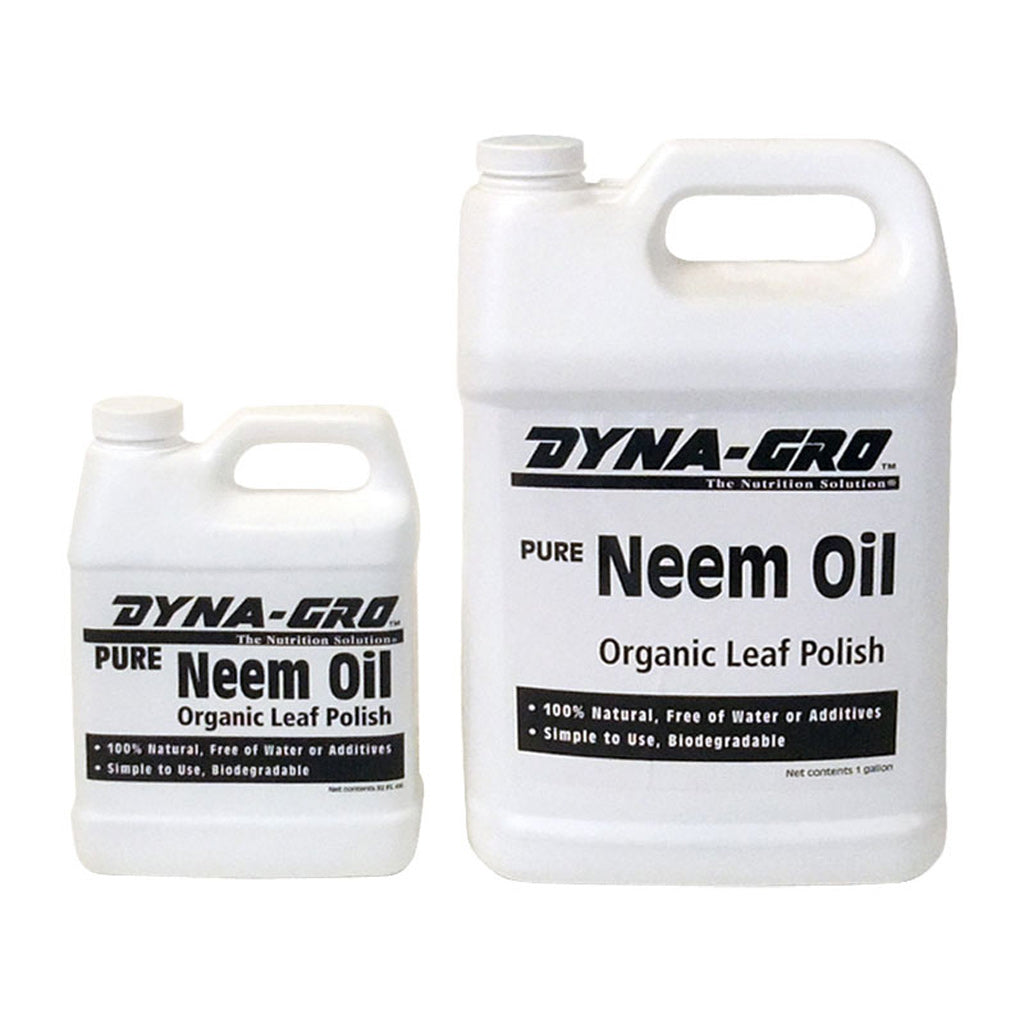
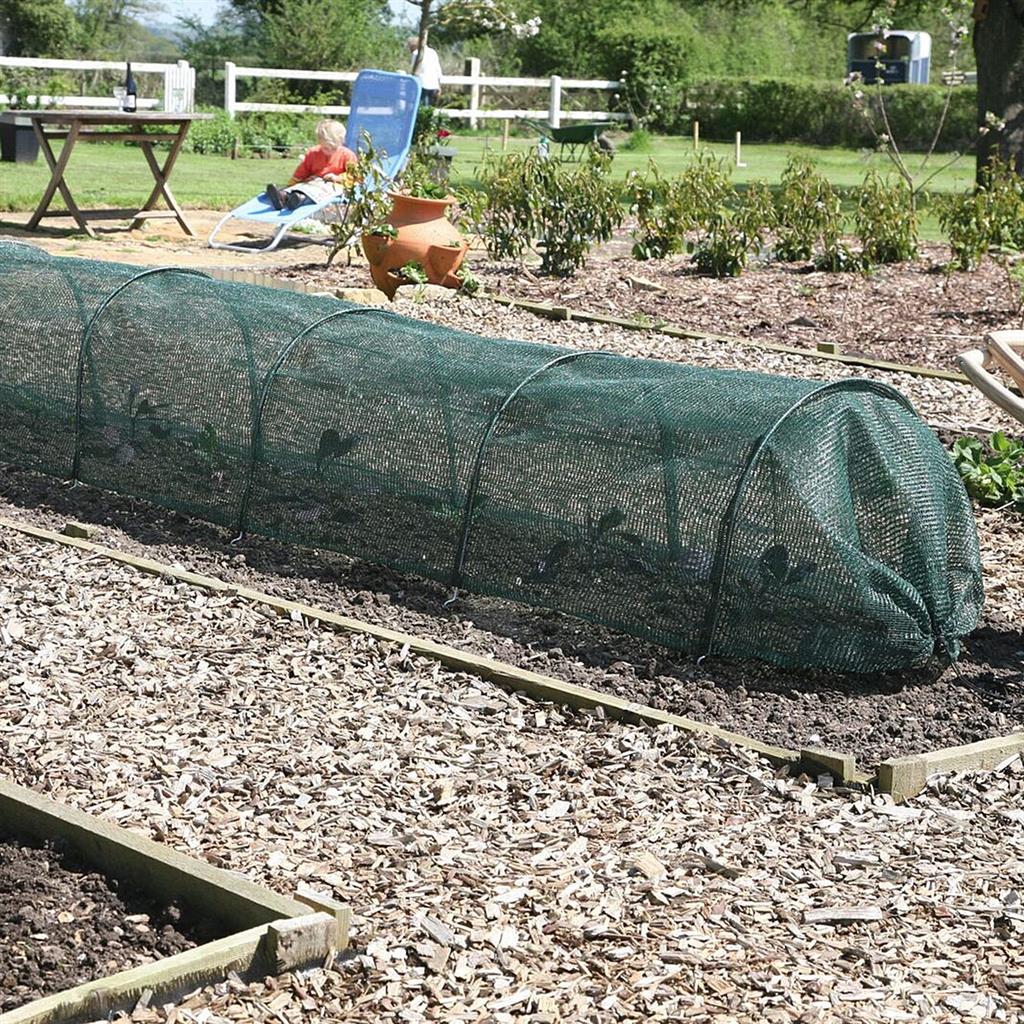
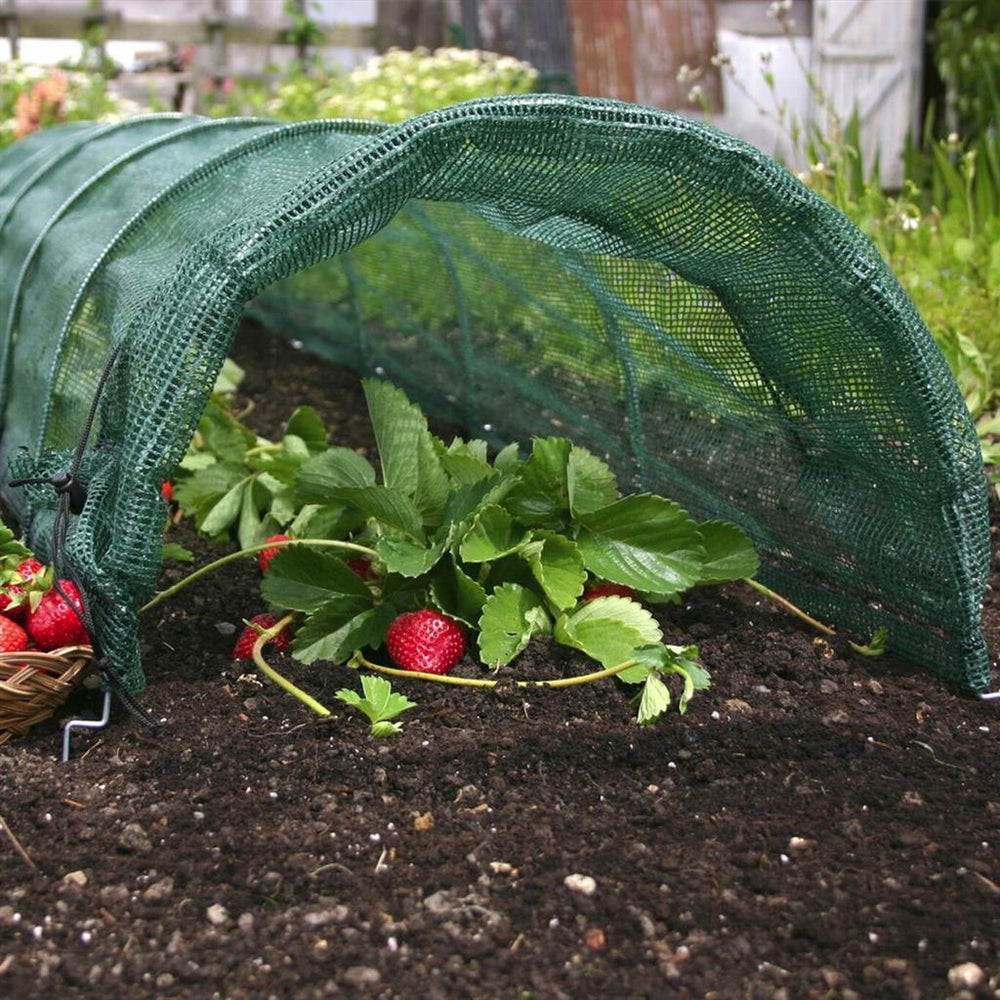
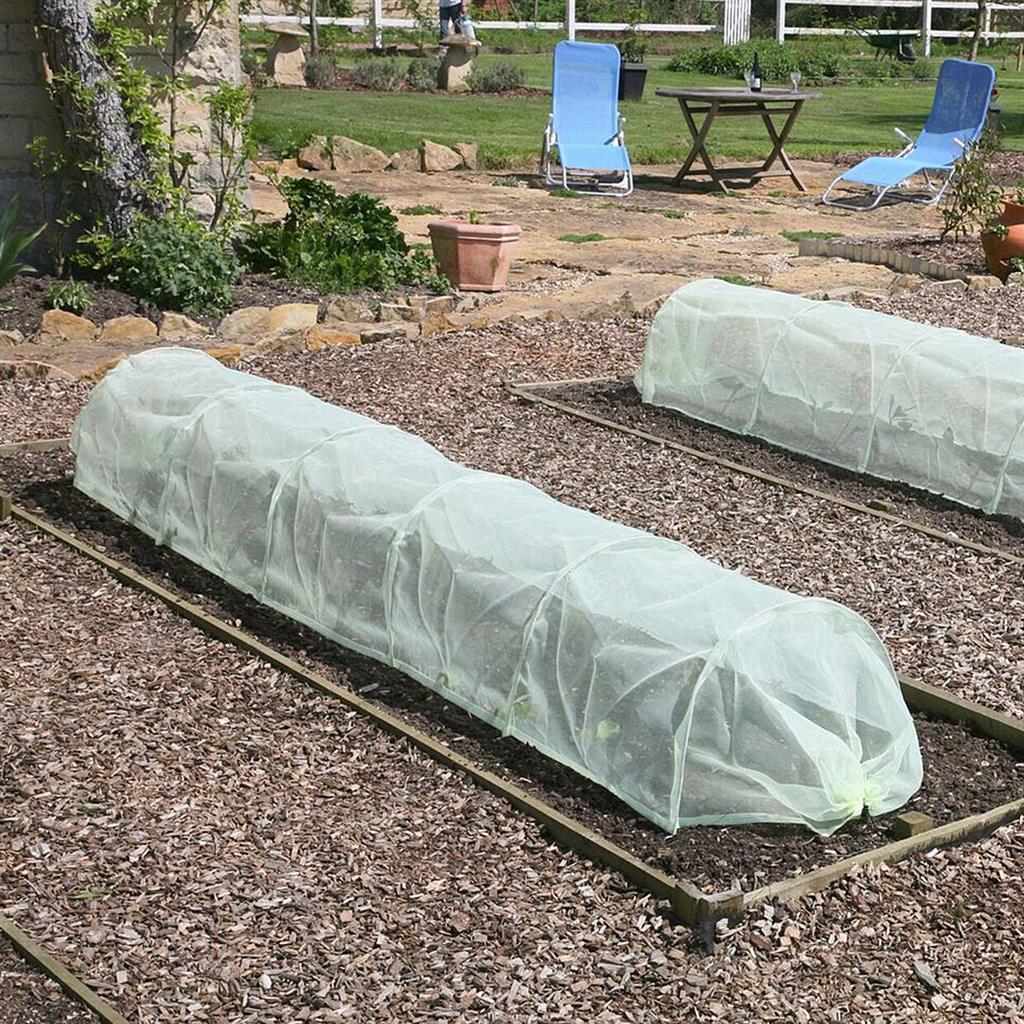
Keep your garden protected with our selection of insect prevention solutions. Our products range from insect screens to protective covers to natural pest control options like nematodes and lacewings. For hardcore problems we offer insecticides and for organic prevention, Neem oil is a natural, biodegradable, fast acting insect bio-inhibitor.


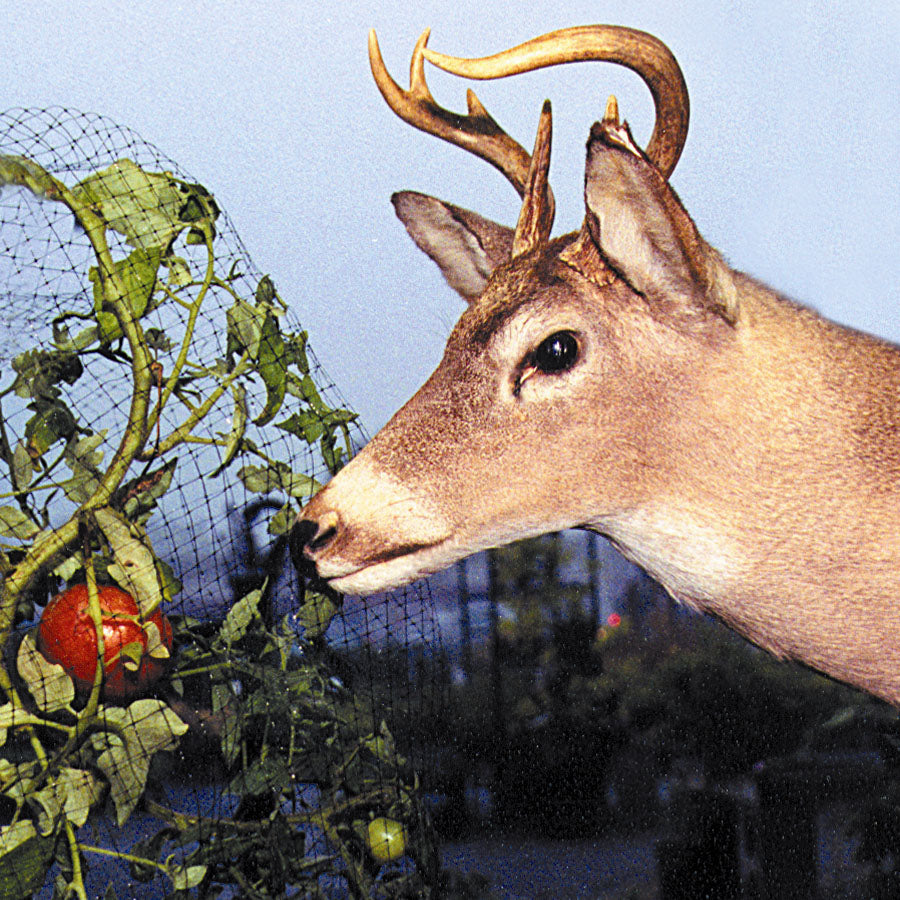

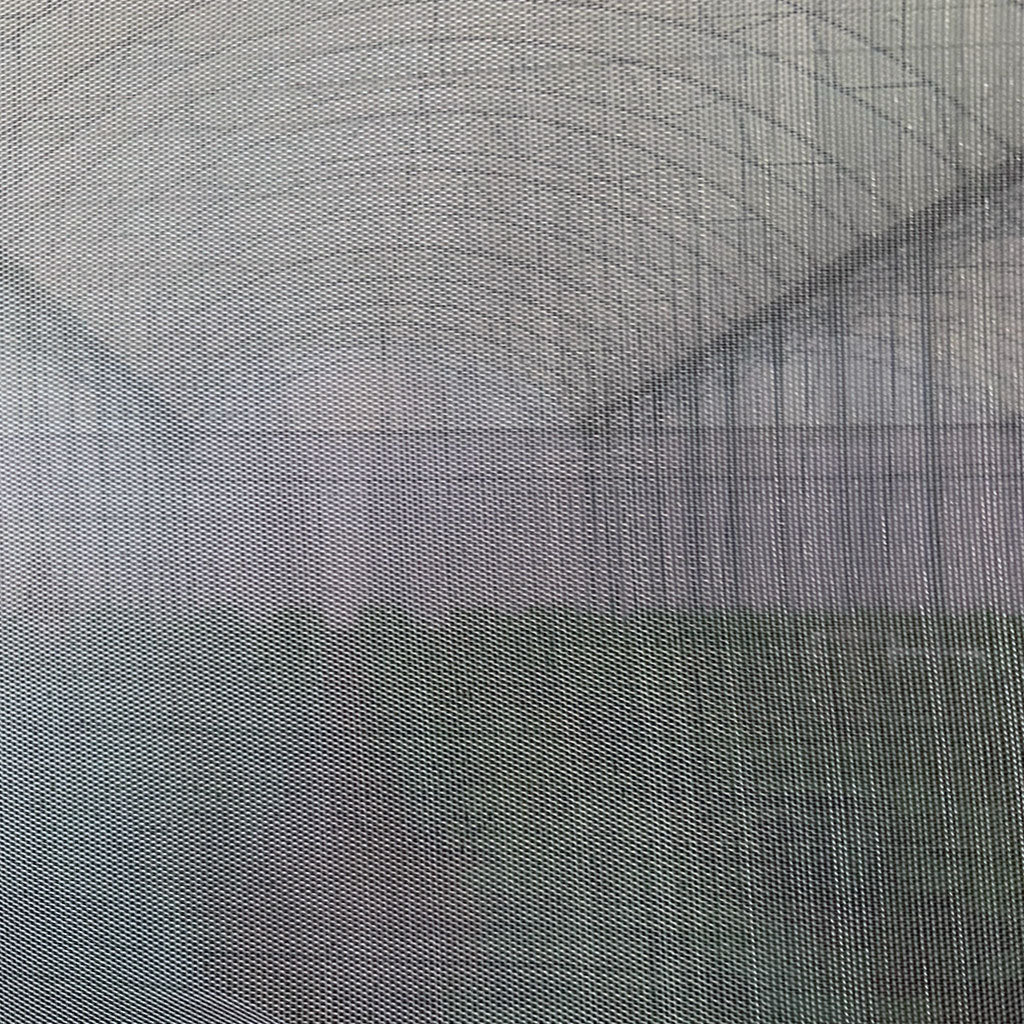
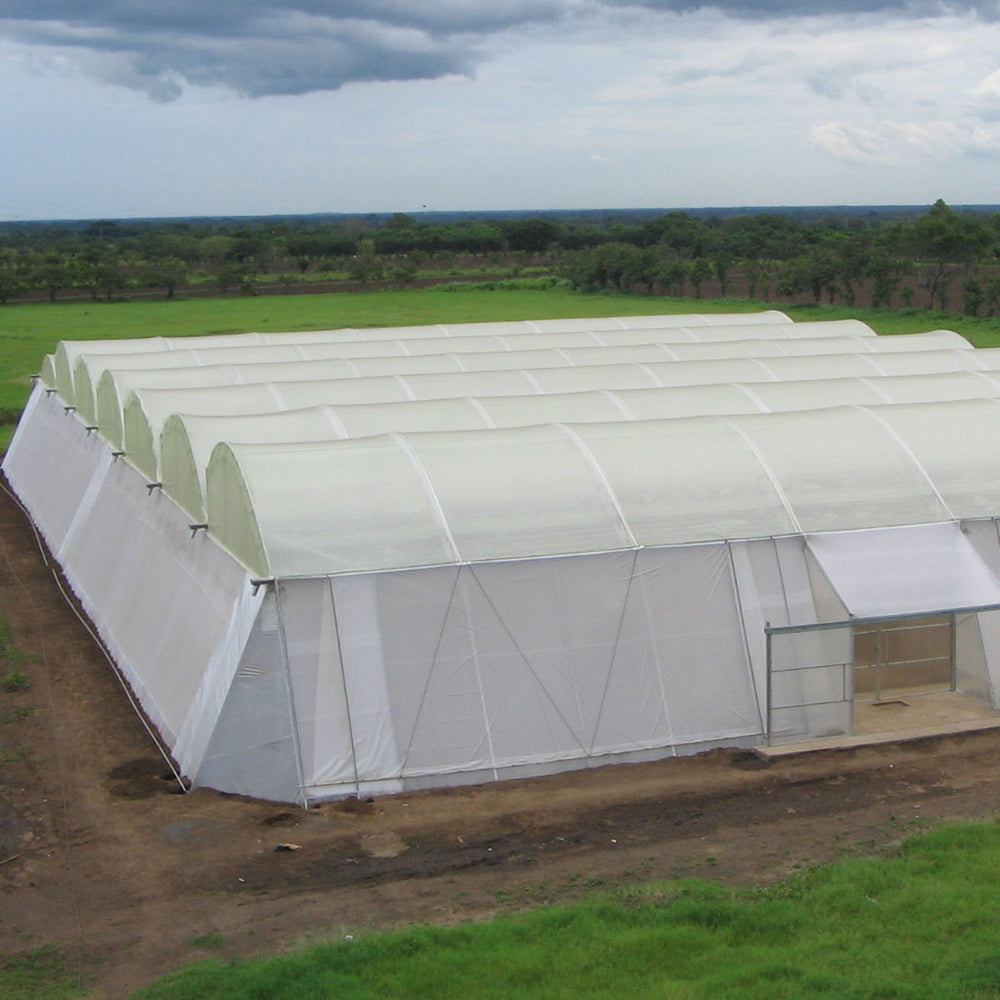


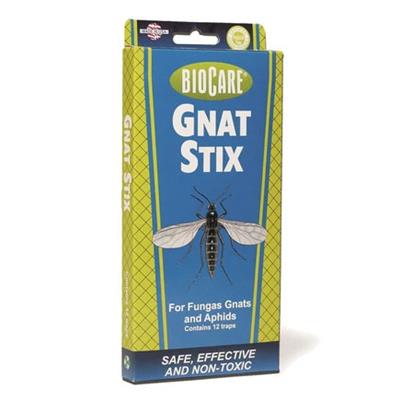


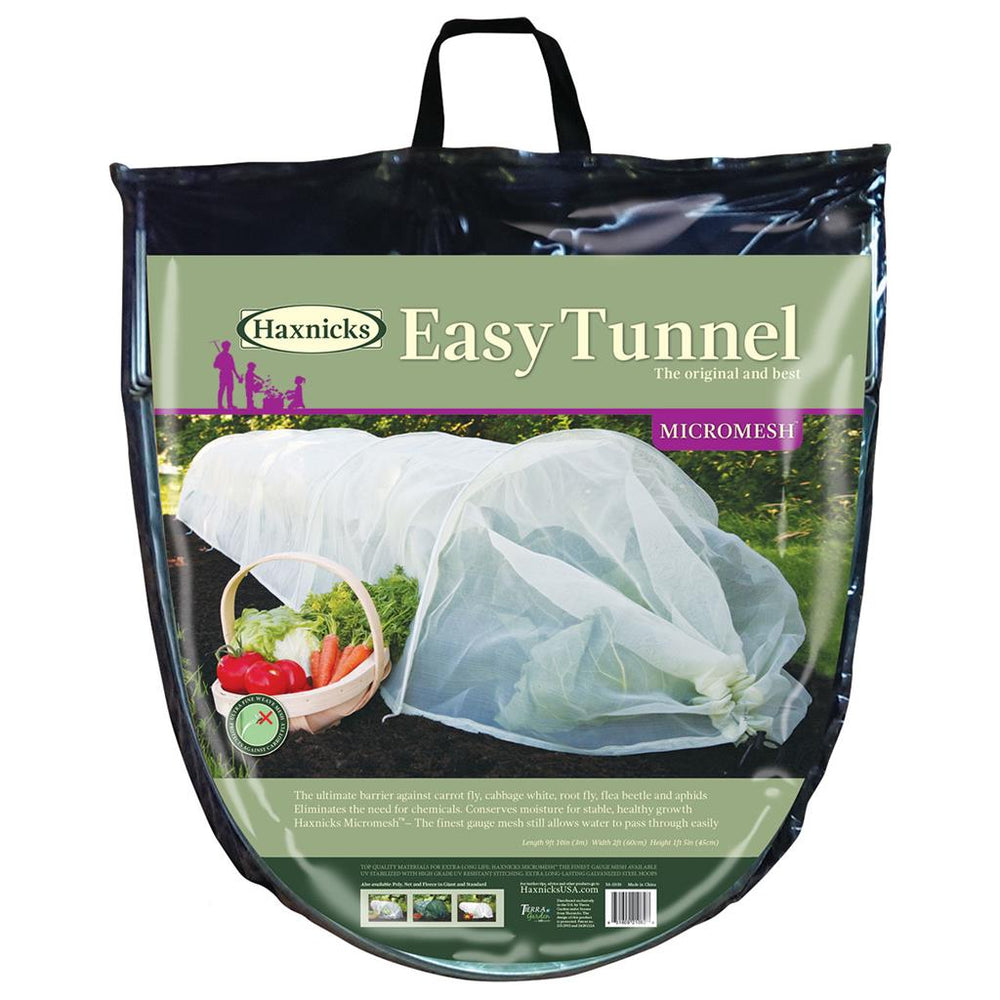


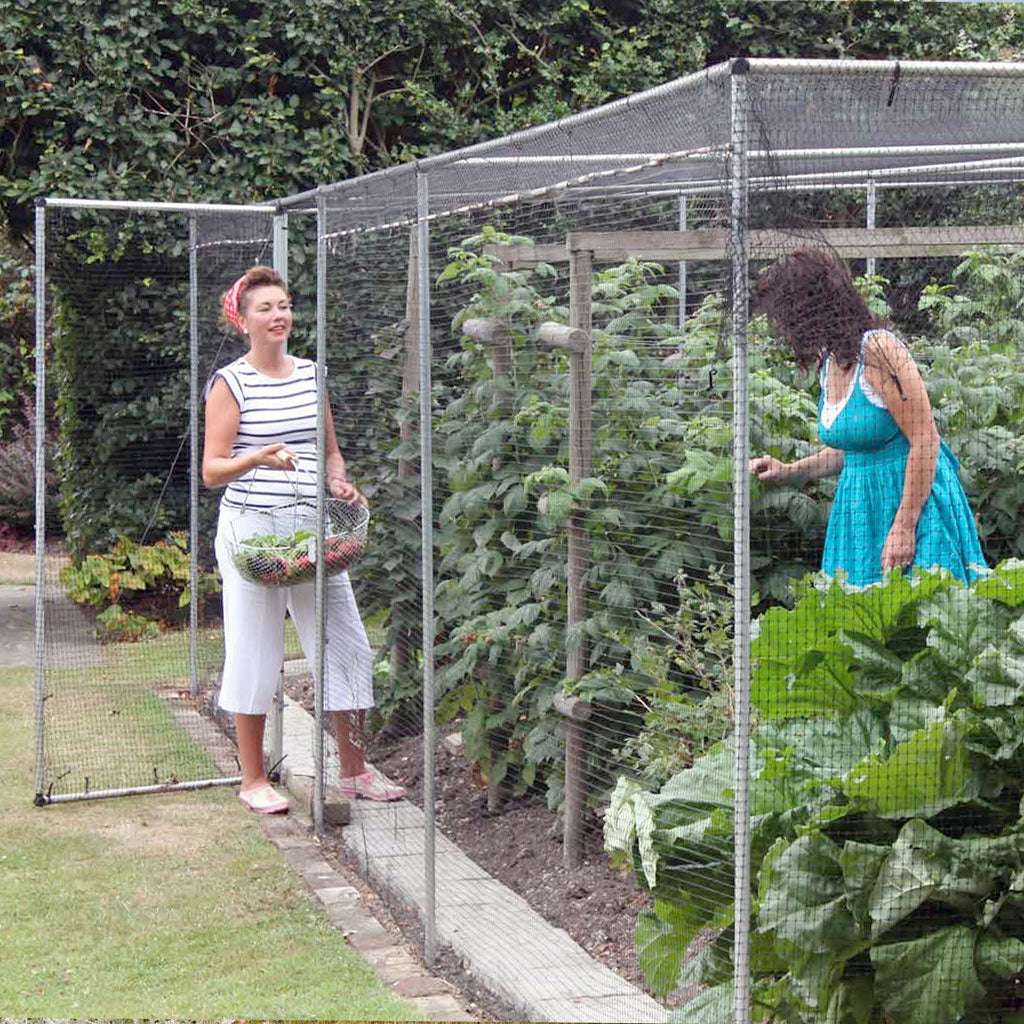
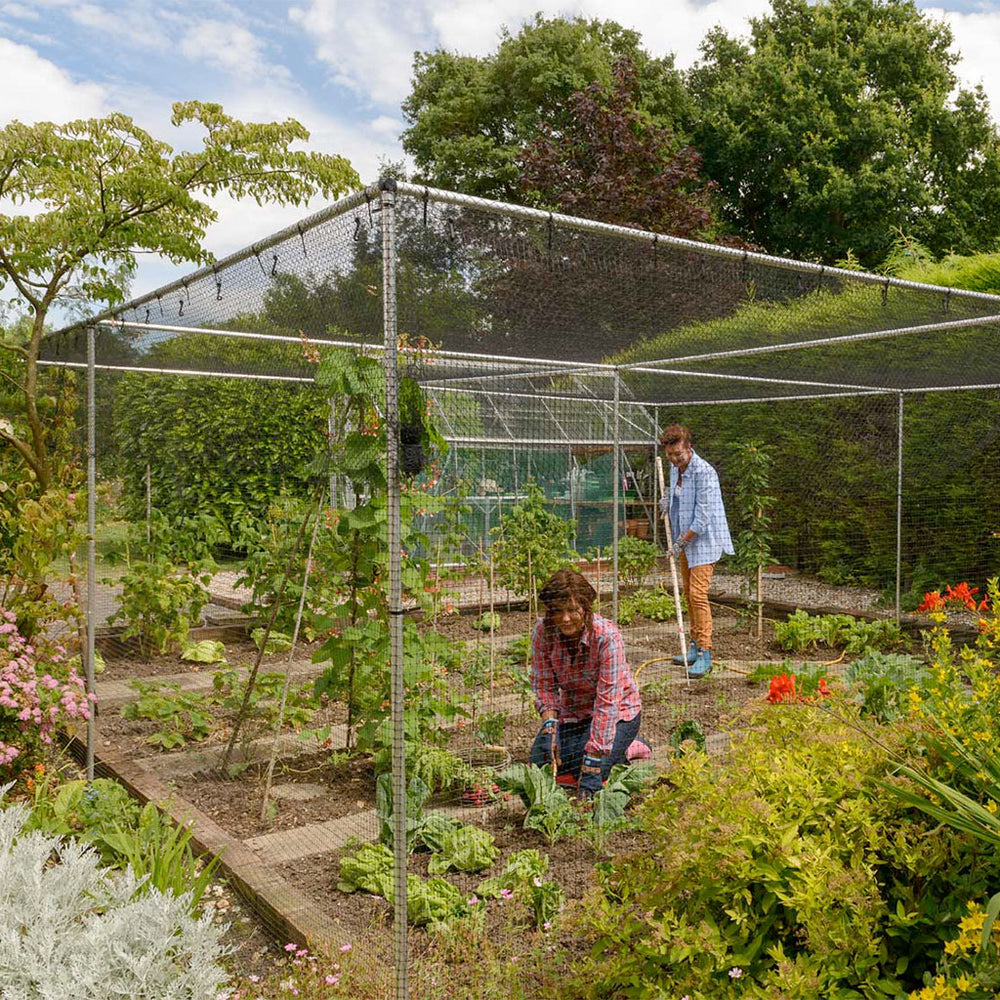
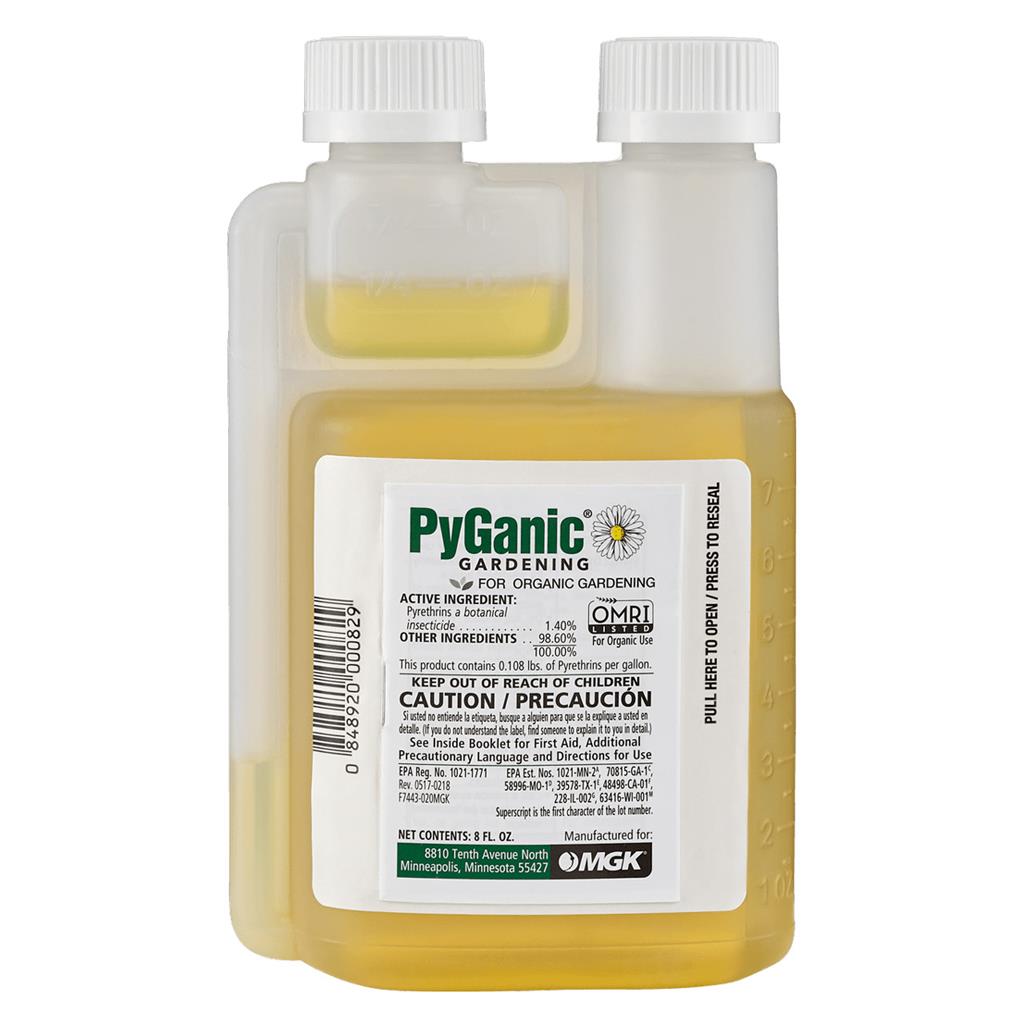


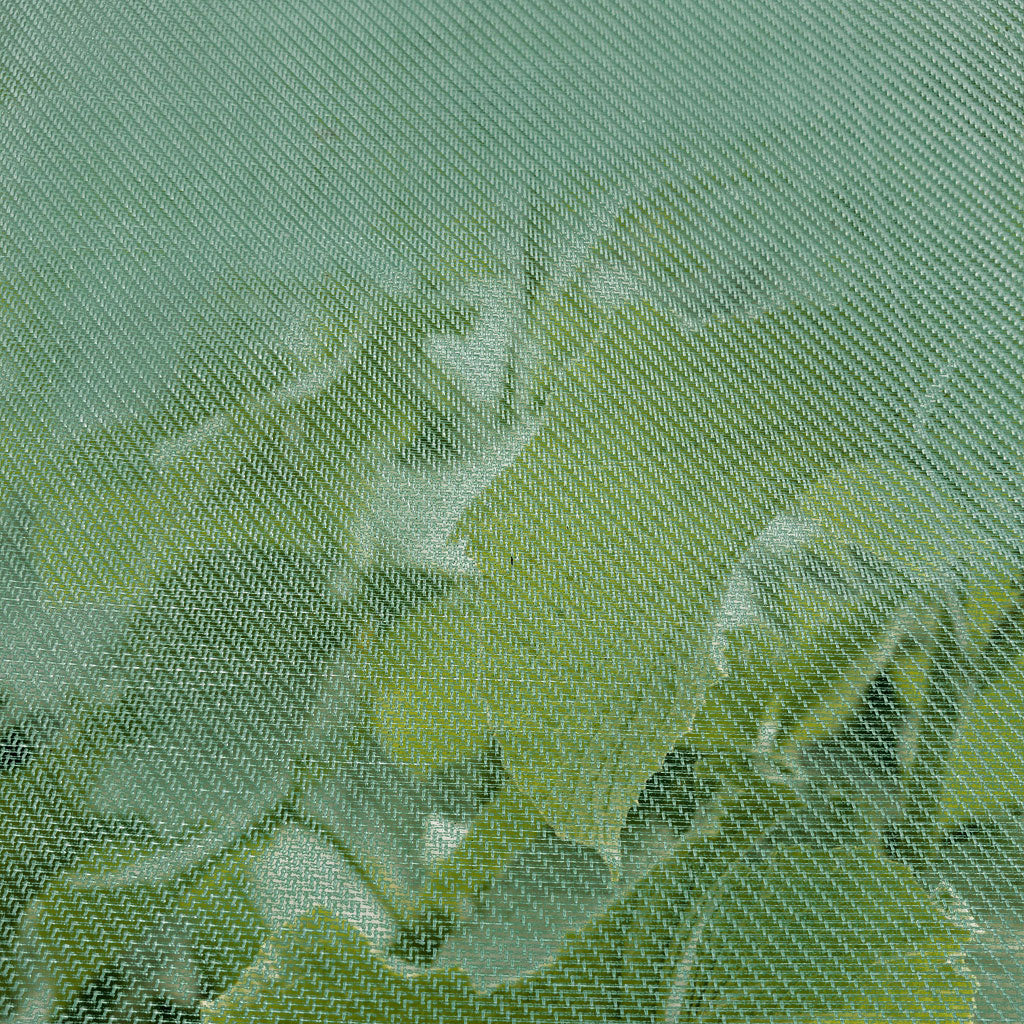


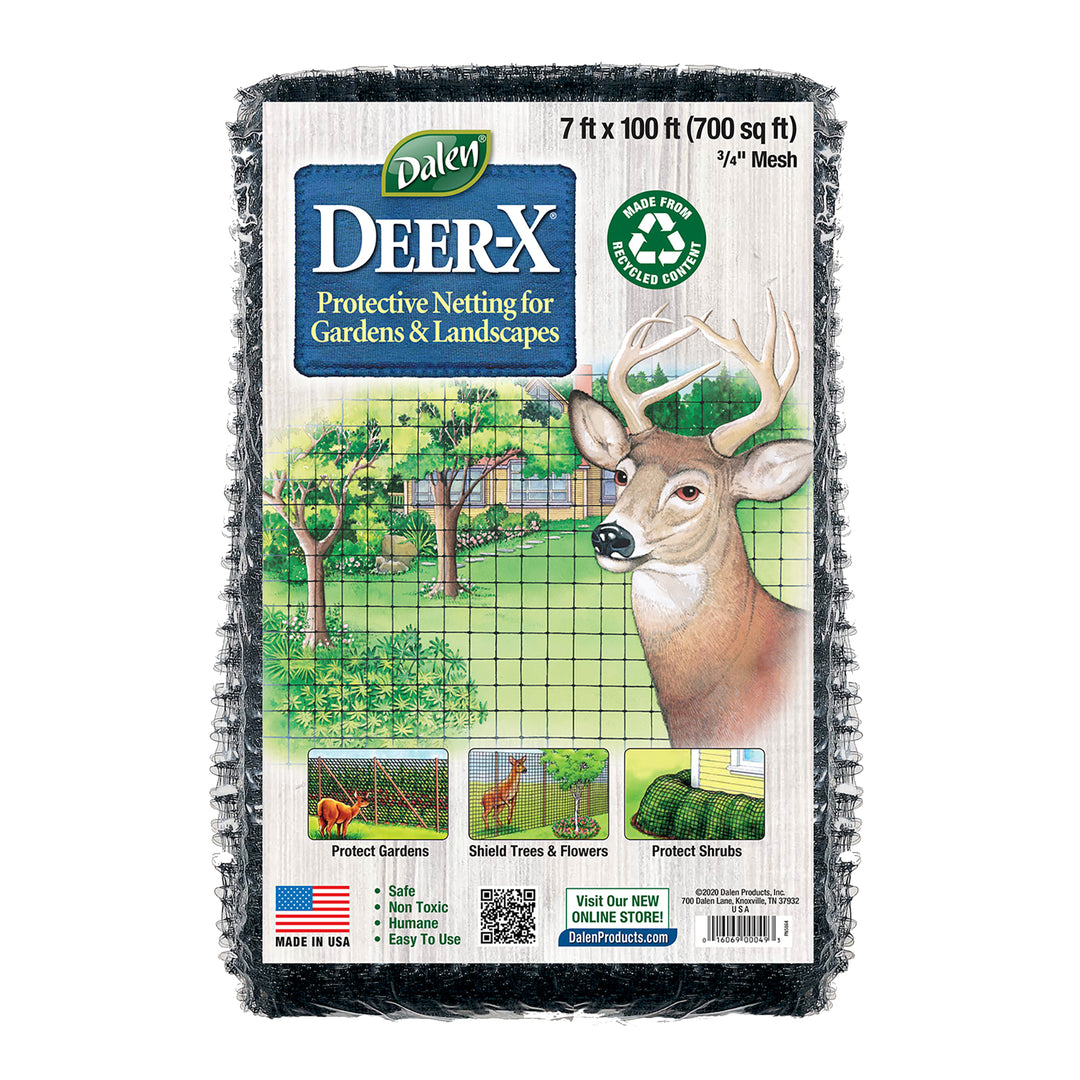
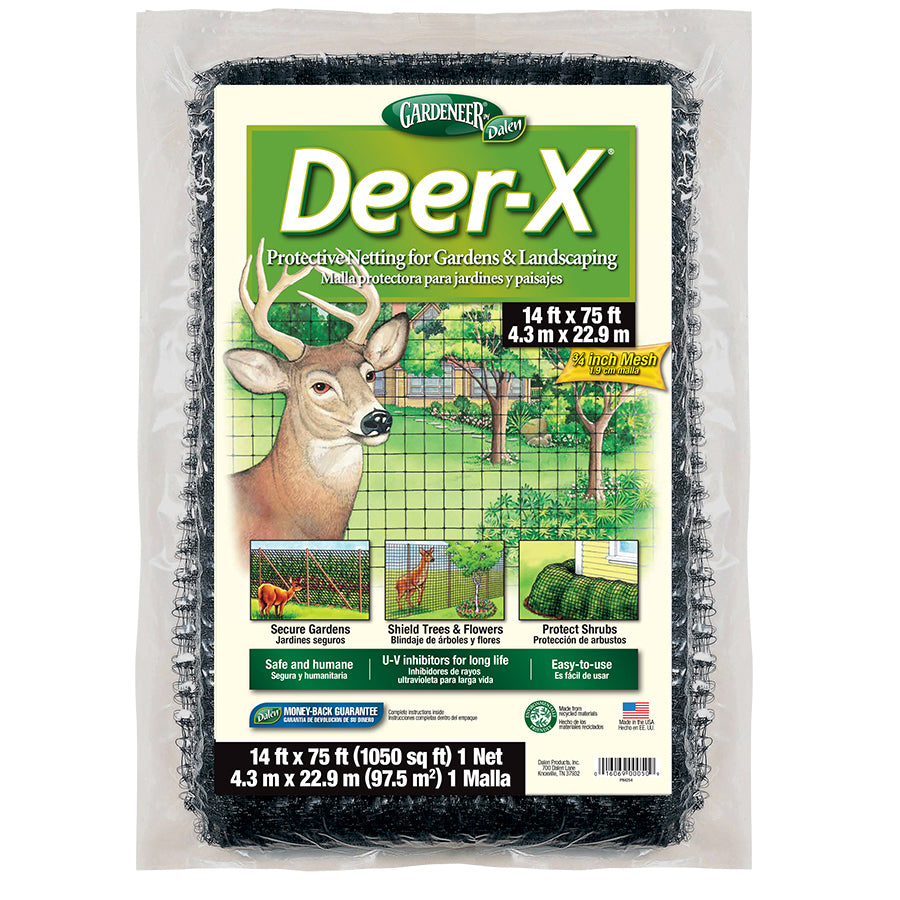


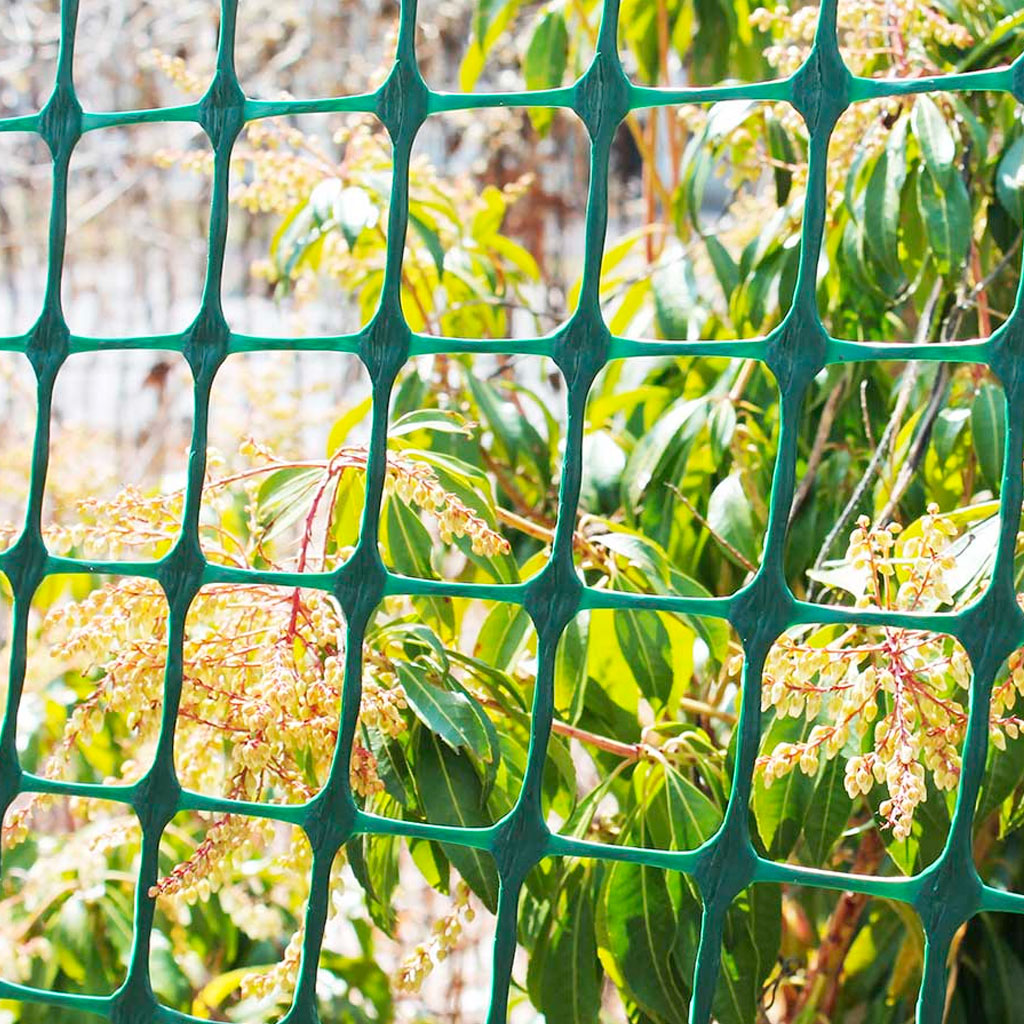







Garden Pest Prevention and Greenhouse Insect Control
From beetles, whiteflies, and aphids to thrips, spider mites, rabbits, and deer, pests and diseases can strike at any stage of growth.
The right tools applied at the right time help safeguard seedlings post-germination, protect blooms during flowering and fruiting, and reduce stress and disease pressure after harvest. Our collection of garden insecticides includes soap sprays, systemic granules and triclopyrester. Live biologicals are another solution, introducing natural predators of common pests.
Greenhouse Megastore makes it easy to defend against both everyday invaders and surprise outbreaks.
How to Control Garden Pests at Every Growth Stage
Effective pest control starts with understanding plant timing and pest lifecycles:
- Post-germination: Young plants are especially vulnerable to aphids, whiteflies, and soil-borne issues. Use insect screens, sticky traps, and beneficial biologicals for early protection.
- Flowering & Fruiting: Beetles and sap-feeding insects can damage blooms and reduce yields. Apply targeted sprays, systemic granules, or organic controls like neem oil as needed.
- Post-fruiting & Maintenance: Prevent lingering infestations and disease spread with fungicides, sanitation practices, and proactive monitoring.
For greenhouse insect control, combine treatments with smart design and daily habits:
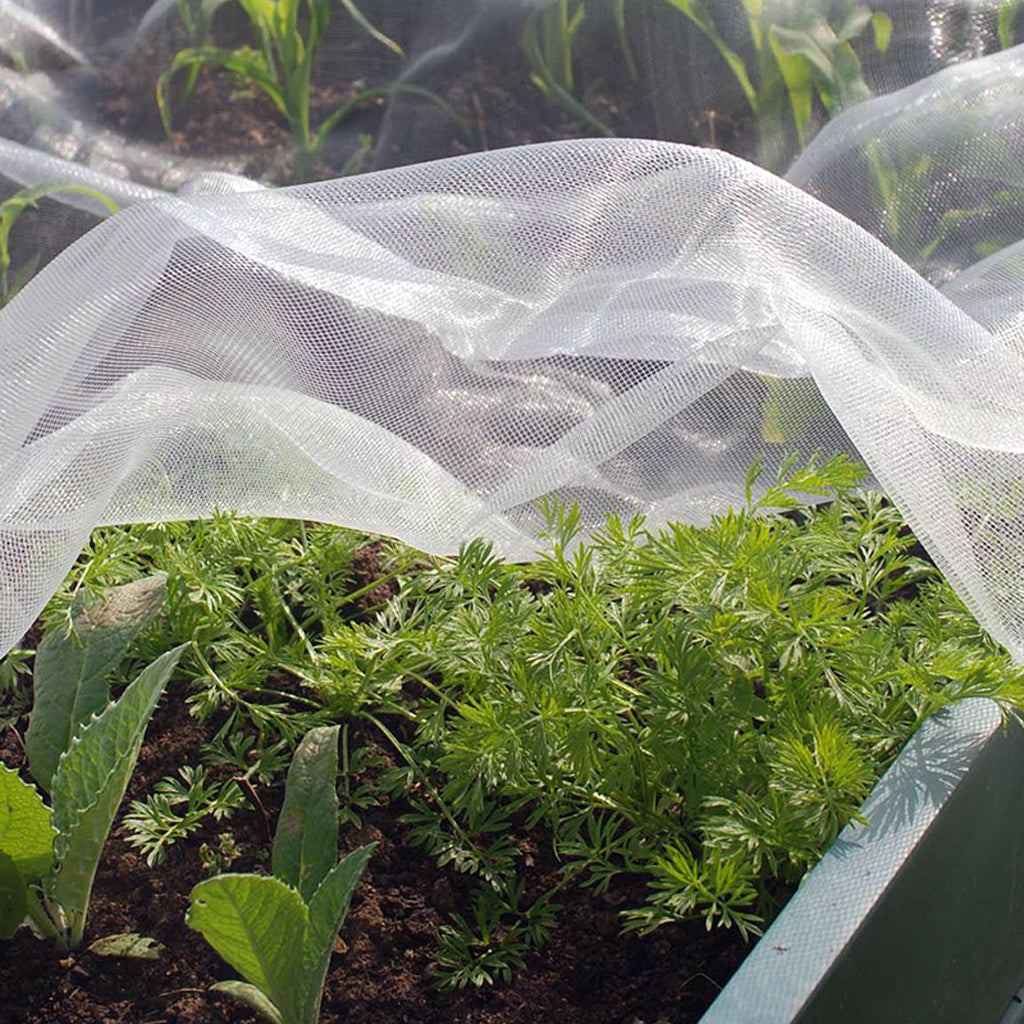
- Seal cracks and install insect screens to reduce pest entry.
- Maintain airflow and manage humidity to discourage disease.
- Quarantine new plants before introducing them into the main growing area.
- Inspect plants daily, and check under leaves for webbing, leaf curl, or discoloration.
- Use magnification tools and colored sticky traps for early detection.
Healthy soil also plays a critical role in pest prevention. Nutrient imbalances, especially nitrogen, magnesium, or phosphorus deficiencies, can stress plants and increase susceptibility to infestations. Regular soil testing and proper amendments help plants resist pests naturally.
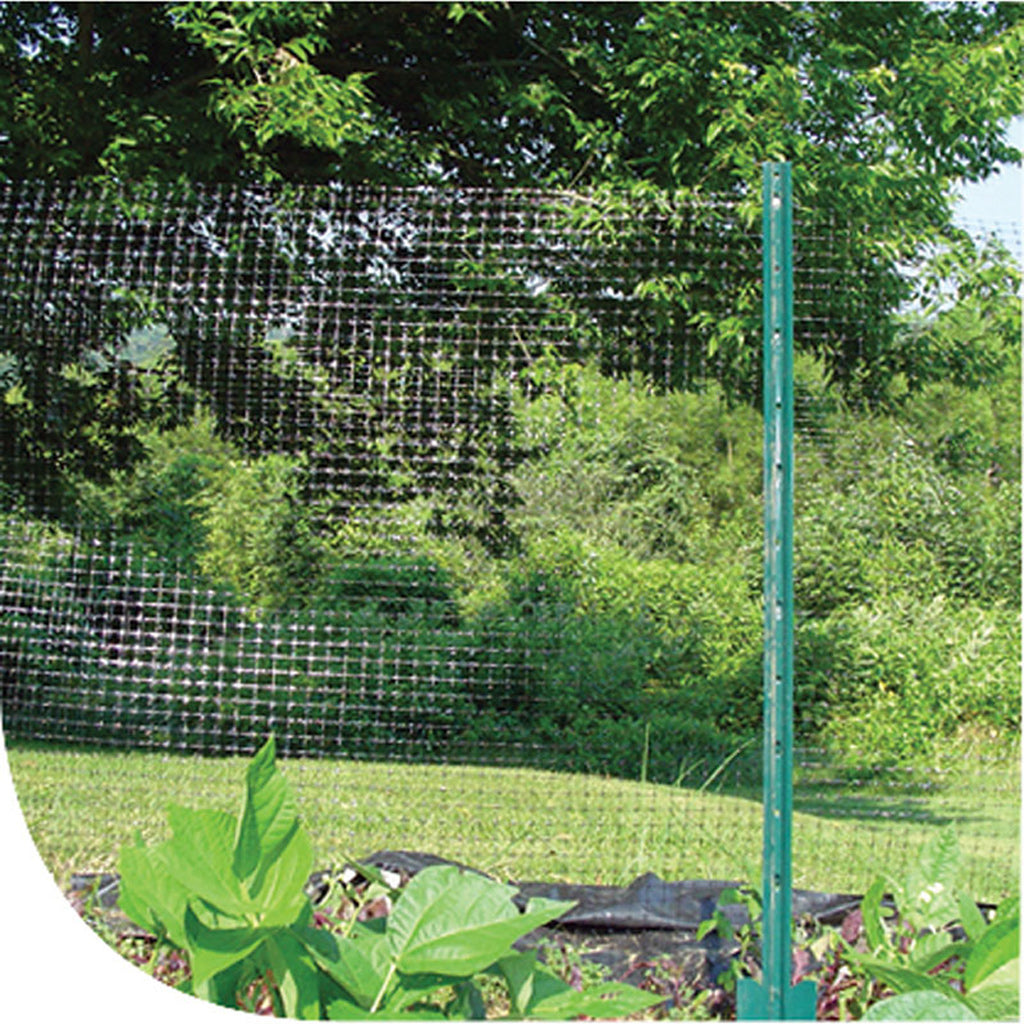
Need protection from birds or larger animals? Garden fencing, cages, mesh netting, and barriers keep unwanted visitors out. We also carry fungicides and weed control solutions to reduce disease pressure and competition for nutrients.
Pest Prevention Done Right
Healthy plants are more productive and resilient. With the right combination of monitoring, greenhouse setup, soil health, and targeted controls, you can prevent small issues from becoming costly infestations.
We carry leading pest control brands backed by our Price Match Guarantee. Save more by signing up for our newsletter or taking advantage of bulk discounts and promo codes. Need assistance with greenhouse insect control or placing a wholesale order? Call us toll-free at 1-888-281-9337 to speak with a knowledgeable sales associate.
Pest and Insect Prevention FAQs
What is pest prevention?
Pest prevention is the proactive practice of stopping insects, diseases, and animals from damaging plants before infestations occur. It includes physical barriers, biological controls, proper greenhouse setup, monitoring routines, and maintaining healthy soil conditions.
What is the most effective way to prevent pests?
The most effective approach combines multiple strategies: sealing entry points, installing insect screens, monitoring daily with sticky traps, maintaining balanced soil nutrition, and using targeted treatments when needed. Integrated pest management (IPM) delivers the strongest long-term results.
What is the best way to prevent pest infestations?
Early detection and consistent monitoring are key. Inspect plants regularly, especially under leaves. Quarantine new arrivals, maintain proper airflow and humidity, and address small issues quickly with appropriate controls.
What smells do pests hate?
Many insects dislike strong natural scents such as neem oil, garlic, peppermint, and certain essential oils. While scents can help deter some pests, they work best as part of a broader pest prevention and greenhouse insect control strategy.