


Garden and Greenhouse Thermometers, Indoor/Outdoor
Greenhouse thermometers and humidity monitors are essential tools for maintaining optimal growing conditions by accurately monitoring temperature and humidity. Monitor and maintain ideal growing conditions in your greenhouse structure and get accurate humidity/temperature readings with our selection of durable thermostats for indoor and outdoor use.


Greenhouse Thermometers and Humidity Monitors
Temperature strongly influences plant growth. A greenhouse thermometer lets you track conditions and make timely adjustments. We carry accurate models from brands like Garland and Luster Leaf.
Having a greenhouse temperature monitor lets you know whether to turn on HVAC systems or open vents, and can alert you to potential equipment issues. Greenhouse Megastore offers several types of greenhouse thermometers to fit different setups. A standard plastic wall thermometer gives the ambient temperature of any structure, hang it in the greenhouse, garage, or even your home. A greenhouse temperature and humidity monitor also indicates air moisture levels, helping you manage conditions more precisely.
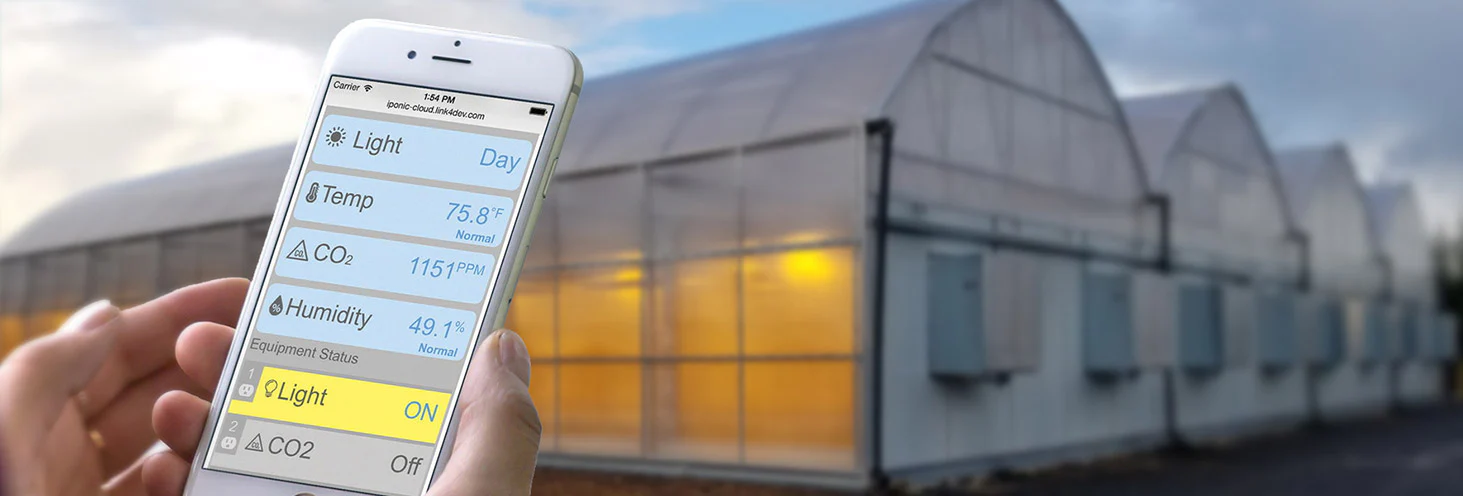
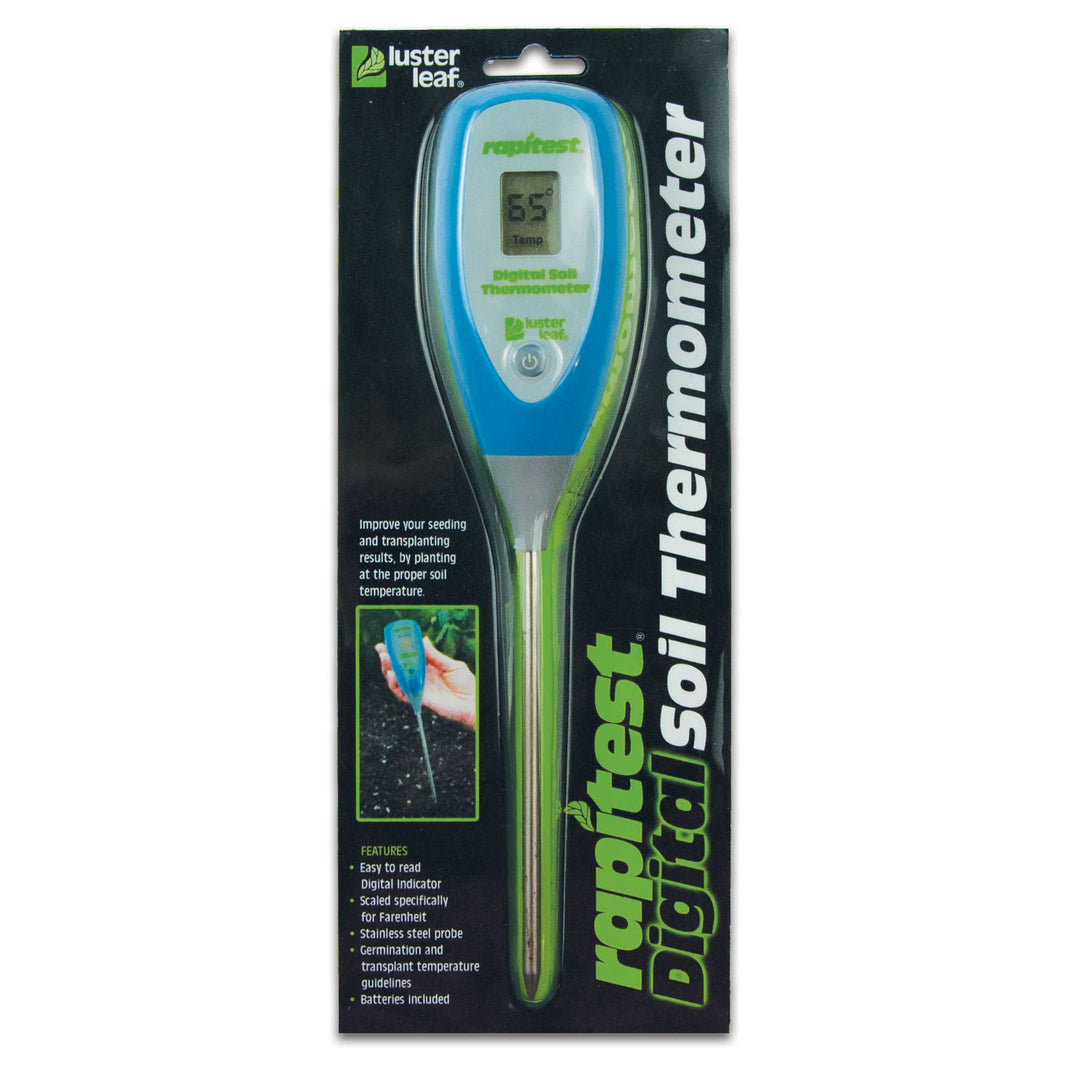
Stem thermometers give you even more options for measurement. Insert the stem into soil to confirm conditions for seed propagation and growth, or use them in compost to check if it has reached target temperatures for decomposition. Shop digital and analog models with readings in Fahrenheit or Celsius. We also offer Wi-Fi-enabled greenhouse thermometers that send data directly to your smartphone.
Choosing the Right Thermometer for Your Greenhouse
The best greenhouse thermometers depend on your space and how you grow:
- Small hobby greenhouses (under ~100 sq. ft.): A single wall-mounted or digital unit is usually sufficient. Place it at plant height, away from direct sunlight and drafts.
- Medium greenhouses (100–500 sq. ft.): Use 2–3 units to monitor temperature differences between zones (center vs. edges). Pairing a thermometer with a humidity monitor can give better overall control.
- Large or commercial greenhouses: Multiple monitoring points are recommended, one per major zone or bench area. Wireless or data-logging units can help track trends over time and spot issues early.
For best results, position units in shaded areas with good airflow, at or near canopy level. Avoid placing them directly in sun or near heaters, vents, or doors, as this can skew readings.
Temperature and Humidity Control for Greenhouse Conditions
Unlike basic indoor units, greenhouse thermometers are designed to handle fluctuating temperatures, humidity, and exposure to moisture. Look for durable housings, clear displays, and wide operating ranges to ensure reliable performance season after season.
Get Accurate Readings with Thermometers and Humidity Monitors from Greenhouse Megastore
By getting accurate information from a thermometer or greenhouse weather station, you can be proactive in maintaining an optimal growing environment. It's a low-cost investment that can lead to higher yields, healthier plants, and more efficient climate control. Call us Monday–Friday at 1-888-281-9337 if you need assistance finding the right thermometer.
Greenhouse Thermometer and Humidity Monitor FAQs
What type of thermometer is best for a greenhouse?
Digital greenhouse thermometers are popular for their accuracy and easy readability, while analog options are simple and reliable. Many growers choose models that also track humidity for a fuller picture of conditions.
What is an ideal temperature for a greenhouse?
It depends on the plants, but many crops thrive between 65°F and 80°F during the day, with slightly cooler nighttime temperatures.
Should a greenhouse thermometer be in sun or shade?
Place it in the shade at plant height. Direct sunlight can cause false high readings.
Do I need a humidity monitor for my greenhouse?
A humidity monitor helps you track moisture levels alongside temperature, which is important for preventing mold, disease, and plant stress. Many greenhouse thermometers include built-in humidity monitoring, making them a convenient all-in-one option.
How should I place sensors for reliable readings in a greenhouse?
Position them at canopy level, out of direct sun, and away from vents, doors, or heaters. In larger spaces, use multiple sensors to capture temperature variation across zones.
Do I need Wi-Fi or data logging for my greenhouse?
Not always. For small setups, a simple thermometer works well. Wi-Fi or data logging becomes useful in larger or high-value grows where tracking trends and receiving alerts can prevent crop loss.