Compact heirloom bell pepper

Hungarian Hot Wax Heirloom Peppers

USDA Zone: 2-11
Lifecycle:
Mature Size: 18-24 in. tall by 18-24 in. wide
Native Region: Hungary (cultivated), Central America (wild ancestors)
Sunlight Requirements: 6-8 hours per day

Care

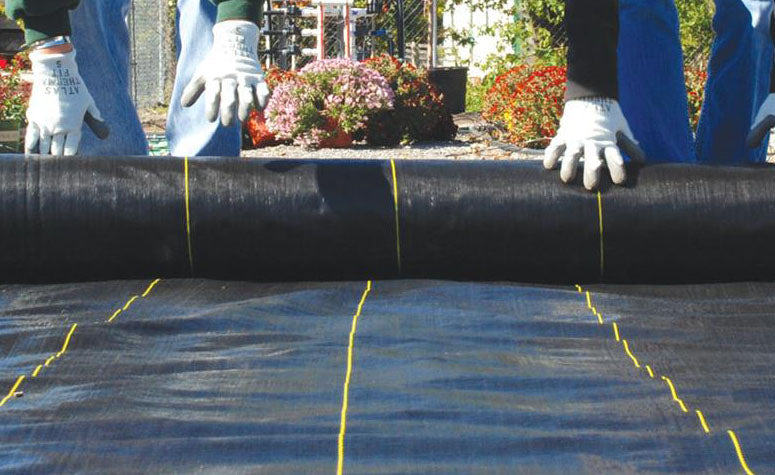
Also known as hot banana peppers, these nightshades add a kick to any garden or kitchen. Warm temperatures and lots of full sun will give them the fullest flavor. Use well-draining and slightly acidic soil, watering thoroughly whenever the top two inches are dry. Avoid water-logging the soil or wetting the leaves, as this increases the risk of root rot and fungi. Adding organic or plastic mulch can help retain soil heat and block weeds.

These peppers are vulnerable to the same pests and diseases as other bell peppers. The most common include spider mites, aphids, cutworms, bacterial spot, blight, and powdery mildew. Keep the garden clean, and if you see signs of infestations or infections, take prompt action.


Seeding

In most regions, you should start Hungarian hot wax peppers indoors 8-10 weeks before the last spring frost. Fill trays or cells with a sterile seed-starting mix, then sow seeds a quarter-inch deep and about two inches apart. Keep the soil between 70 and 85 degrees, and use a water mister for consistently moist soil. Seeds should germinate in 1-3 weeks; at this point, place the trays near a south-facing window for sunlight or use supplemental grow lights.

Planting and Potting

It’s safe to plant or transplant banana peppers outdoors 2-3 weeks after the final frost. Try and time your planting so nighttime temperatures will be between 60 and 75 degrees when fruit starts setting. Plant in a sunny area where nightshades haven’t been grown recently, and space plants 18-24 inches apart for sufficient air circulation.

If you’re limited on space, you can grow these peppers in pots or raised beds. Use containers at least 16 inches wide and 10-12 inches deep with good potting soil and drainage. Follow the same watering and sunlight guidelines as in-ground plants.

Feeding

Like all bell peppers, the Hungarian hot wax variety are heavy feeders. Compost and aged manure are great fertilizers; you can also use balanced or low-nitrogen granular formulas. Mix some into the soil when planting, then reapply every 6-8 weeks for in-ground plants and 2-4 weeks for container plants. We recommend regular soil testing to get a clearer picture of fertilizer requirements, including micronutrients like calcium and magnesium.

Winterizing

In the warmest regions (USDA zones 8-11), hot peppers can be overwintered as perennials. Prune the plants back to the main stems, water sparingly and add mulch or a frost blanket. For colder areas, prune and dig up the plants before the first fall frost and transplant them to indoor pots. Keep the pots in a cool, dry and dark area.

Harvesting and Pruning

Along with winter prep, you should also prune your pepper plants during the growing season. To stimulate bushy growth when plants are young, pinch off the first set of flower buds and/or cut the main stem above the third node. Remove side shoots, damaged leaves and concealed branches as needed.
It takes about two months for Hungarian hot wax peppers to mature. Harvesting the early-stage green peppers will yield medium heat levels. For a bigger blast, wait until they turn yellow, orange or red. Cut them at the stem using sterile scissors, shears or a knife.

Hungarian Hot Wax Heirloom Peppers FAQs

How should I care for Hungarian hot wax peppers?

Give them full sun, warm temperatures, and well-draining soil. Water when the top 2 inches are dry, avoiding wet foliage.

How often should these peppers be fertilized?

Add compost or balanced fertilizer at planting, then apply again every 6–8 weeks (every 2–4 weeks in containers).

When should I harvest them?

Harvest green peppers at medium heat, or wait for them to turn yellow, orange, or red for hotter flavor. Cut with clean shears.