Perennial herb

Rosemary

USDA Zone: 7-11
Lifecycle:
Mature Size: 2-6 ft. tall by 2-5 ft. wide
Native Region: Mediterranean region (western Asia and Southern Europe)
Sunlight Requirements: 6-8 hours per day

Care

Hobby gardeners like growing rosemary because it’s a versatile, aesthetically pleasing herb that’s easy to care for. Like most herbs, it requires direct sunlight for strong growth. Rosemary thrives in a wide temperature range of 55-80 degrees; use loamy, neutral soil that drains fast. The soil should be kept moist initially, but once the rosemary is established, it prefers drier conditions. Let the top 2-3 inches of soil dry between waterings.

Rosemary is generally pest-resistant. Spider mites, aphids and scales are the most common threats. Watch for signs of infestation and use insecticidal soap or other control methods. Too much water can cause root rot, while high humidity and low air circulation run the risk of powdery mildew.


Seeding

Since rosemary is stubborn to germinate, many people propagate it from cuttings. If you don’t have access to an existing plant or seedlings, start seeds by first soaking them for 24 hours. Then scatter the seeds on top of a tray filled with seed-starting mix. Water regularly and use a humidity dome or plastic wrap cover. You might add a heat mat and grow lights for additional support. Remove the cover after the seedlings sprout. Rosemary seedlings are ready for transplanting when they reach three inches tall.

Planting and Potting

You can plant rosemary in the ground after the final spring frost. Space seeds or seedlings 2-3 feet apart in a sunny area. Barely cover seeds with soil so they still get sunlight; seedling roots should be at the same depth as their previous tray or pot.

Container rosemary can be planted year-round, and it’s a great way to control growth and conditions. Plant it in a pot with drainage holes that is a minimum of eight inches wide and deep, and use a well-draining potting mix. Keep indoor container rosemary near a south-facing window and supply grow lights if needed.

Feeding

Rosemary typically doesn’t require much fertilizer unless the in-ground soil is very poor. Mixing compost or balanced fertilizer into the soil during planting is usually sufficient to help with establishment. Then add a light amount of slow-release fertilizer once during the early spring. High-nitrogen fertilizers run the risks of excessive leafy growth and attracting sap-suckers. Do soil testing or look for signs of inadequate nutrition, like slow, stunted growth.

Winterizing

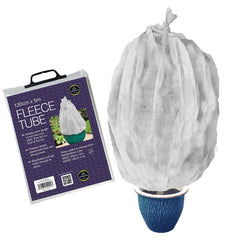
As an evergreen perennial shrub, rosemary can last up to 10 years. In USDA growing zones 8-11, little to no winterization is necessary. For zones 7 and lower, you may be able to winterize rosemary outdoors by adding mulch and using frost blankets or other protection. Other options in colder regions are to bring rosemary indoors or grow it as an annual; indoor rosemary will go dormant in the winter.

Harvesting and Pruning

Pruning rosemary helps shape the plant, encourages bushier leaves and improves air circulation. Remove stem tips and dead or damaged branches using sharp snips. You can prune after the final spring frost or in early summer after the flowers bloom.

Spring and early summer are the best times to harvest rosemary, as growth is most active and the flavor is strongest just before blooming. Pinch off individual leaves or cut 4-6-inch stem tips, which you can hang upside-down to dry. In warmer climates, you can harvest year-round.

Rosemary FAQs

Can rosemary grow well indoors?

Yes, rosemary grows well indoors if placed in a sunny window and given well-drained soil with good air circulation.

How do you keep rosemary from getting woody?

Regular pruning helps prevent woody stems and keeps rosemary plants bushy and productive.

Why is my rosemary not thriving in a humid climate?

High humidity can cause fungal issues like powdery mildew; improve air flow and avoid overwatering to protect the plant.