Annual flowering

Alyssum Carpet of Snow

USDA Zone: 5-11
Lifecycle:
Mature Size: 4-8 in. tall by 10-15 in. wide
Native Region: Mediterranean (Southern Europe, Northern Africa, Canary Islands)
Sunlight Requirements: 6+ hours per day

Care

Whether you call it sweet alyssum or carpet of snow, these low-maintenance flowers add beauty to any garden or landscape. To properly care for alyssum, provide it with well-draining soil, an inch of total water per week, at least six hours of sun daily and some afternoon shade for warm regions. (The last item also makes it spread less aggressively.) You don’t need to mulch alyssum; it works well as “living mulch” for tall plants or as edging.

The only time you typically must worry about pests is when the plant is stressed, which can attract aphids and cyclamen mites. Poorly draining, soggy soil increases the risk of diseases like downy mildew, rot and club root.


Seeding

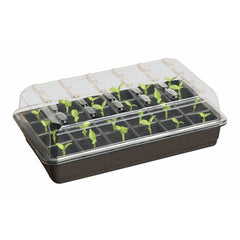
Although newer alyssum varieties that are propagated grow the best, you can start older alyssum cultivars from seed if you prefer them. For the longest possible growing season, sow seeds indoors 6-8 weeks before the final spring frost. Gently press the seeds into a tray filled with seed-starting mix, and water whenever the soil feels dry. After the seedlings emerge, thin or transplant them to about six inches apart. Spend a few days hardening the plants off before permanently moving them outdoors.

Planting and Potting

The best times to plant alyssum outdoors are in the early spring after the last frost or in the early fall. These moderate temperatures offer the best conditions for germination and blooming. Planting in the spring lets the plants establish and increases the chances of surviving mild frost. Give the flowers extra water if the location dries out fast, such as along rock walls.

The sight of alyssum spilling over the sides of a pot, hanging basket or window box is gorgeous to behold. Use well-draining containers and potting soil, and space multiple plants 6-12 inches apart.

Feeding

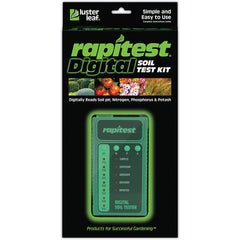
Ground-planted alyssum does not need regular fertilization unless the soil is particularly poor. Mix some compost or a balanced, slow-release fertilizer into the soil when planting. Then add another round after the first set of blooms fade to enjoy a resurgence. For low-quality ground soil or container plants, give them a water-soluble fertilizer every four weeks. Soil testing will tell you more about what is needed.

Winterizing

In most areas, sweet alyssum is grown as an annual flower because it doesn’t handle cold temperatures well. Those in warmer zones may be able to enjoy carpet of snow as a short-term perennial. You can cut the plant down in the late fall or wait until late winter to remove dead foliage. Alyssum tends to self-seed well, although hybrid seeds are known for visual differences year to year.

Harvesting and Pruning

Sweet alyssum naturally grows in low mounds, which makes it easy to manage. The main pruning you should do is “deadhead” older blooms, snipping them off to spur new flowers. You might also trim for neatness, since alyssum becomes leggy over time.

This flower doesn’t do well as a cutting, so harvesting is limited to collecting seeds for planting locations. Let the post-flowering pods dry out and turn brow, then carefully remove them from the plant. Do not mix seed varieties as they may cross-pollinate.

Alyssum Carpet of Snow FAQs

Will alyssum reseed itself for next year?

Yes, sweet alyssum often self-seeds, especially in warmer climates—just leave some seed pods to mature and drop naturally.

Can alyssum grow in poor or rocky soil?

Alyssum tolerates poor or rocky soil as long as it drains well; it’s commonly used along stone walls or borders.

Why is my alyssum getting leggy?

Legginess can result from too much shade or overcrowding—trim the plant back to promote fuller, bushier growth.