


Perennial herb

Oregano

USDA Zone: 4-9
Lifecycle:
Mature Size: 1-3 ft. tall by 1.5-2 ft. wide
Native Region: Mediterranean, Central Asia, North Africa
Sunlight Requirements: 6-8 hours per day

Care

This perennial herb will provide years of seasoning excellence. Most varieties like full sun, but some are okay with partial shade, especially in warmer climates. Use a loamy, neutral soil and let it dry to the touch after each watering. Oregano does best in temperatures of 60 to 80 degrees and can tolerate an even wider range of temperatures. It prefers dry conditions, but will grow in high humidity if it has excellent soil drainage and air circulation.

Another reason to grow oregano is that it attracts beneficial pollinators and rarely has pest or disease problems. The main insects to worry about are aphids and spider mites, which eat the leaves. Soggy soil can also cause fungal diseases and root rot. Good growing conditions will prevent and fix minor issues.

Seeding

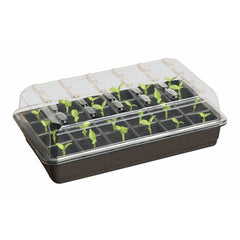
Many people propagate oregano plants using cuttings from existing plants. However, since different cultivars are known to cross-pollinate, growing from seed is the best option for a true variety. You can start them indoors 6-10 weeks before the final spring frost; sow the seeds in a small container filled with moist seed-starting mix. Cover the seeds lightly with soil, keep the temperature around 70 degrees and provide bright but indirect sunlight. Gradually harden the seedlings for about a week before you transplant them.

Planting and Potting

The best time to plant or transplant oregano in the ground is when the soil temperature is 65-70 degrees. Space seeds 8-12 inches apart, and place seedlings at the same soil depth they were growing indoors. The plants spread to 18-24 inches, but do well when clumped together.

Oregano is a great potted plant and grows well in all-purpose potting soil mixed with perlite or vermiculite. Use well-draining containers that are at least six inches wide for one plant or 12 inches wide for multiple plants. You should repot oregano plants every two years or divide them into additional containers.

Feeding

Since oregano is such a hardy plant, it only requires fertilization if the soil is very poor. Excessive nutrients — especially nitrogen — can reduce essential oil production and hurt the flavor. Use moderate-to-poor soil for in-ground oregano. Potted plants may need a light application of all-purpose fertilizer in the spring and summer since soil nutrients aren’t naturally replenished in containers.

Winterizing

In USDA growing zones five and higher, oregano can typically be left as it is for the winter. For zones four and lower, after the initial fall frost, cut the stems back to a small umbrella, then add a 3-4 inch layer of organic mulch. Reduce or remove the mulch in the spring.

Harvesting and Pruning

Once an oregano plant is four inches high, pinch back the growing tips once per week. This will encourage bushy growth, and it postpones flowering, which intensifies the leaves’ flavor. To make your oregano plants even bushier, cut them back each spring to about one-third of the previous size.

You can also start harvesting when the plants reach the four-inch mark, removing individual leaves or cutting sprigs as needed. If you plan to dry the leaves, the best time is right before the flowers start blooming, as this is when the flavor is most potent.

Oregano FAQs

Is oregano easy to grow for beginners?

Yes, oregano is a low-maintenance herb that thrives with minimal care, making it ideal for beginner gardeners.

Can oregano survive indoors year-round?

Oregano can grow indoors if it receives at least 6 hours of bright light daily and is planted in well-draining soil.

Why isn’t my oregano plant producing flavorful leaves?

Too much fertilizer or shade can reduce oil production in oregano, leading to less aromatic and flavorful leaves.