


Climate and Temperature Control in Greenhouses
The purpose of a greenhouse is to grow the plants you want when you want to. For that, you'll need a good climate control system. Shop at Greenhouse Megastore when you need climate control for greenhouses, garages and other structures, large or small. We carry equipment and accessories from leading brands with a Low Price Guarantee.

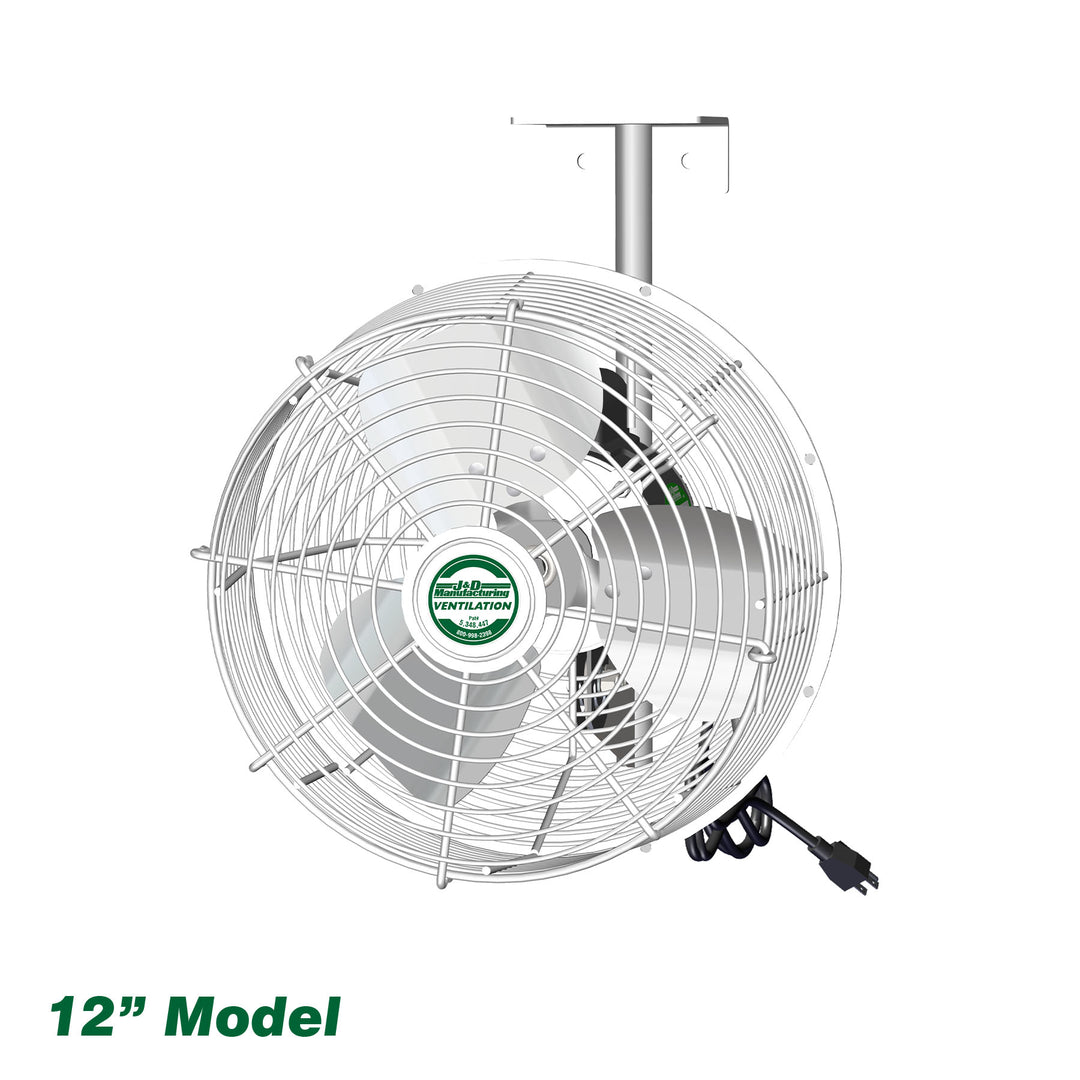
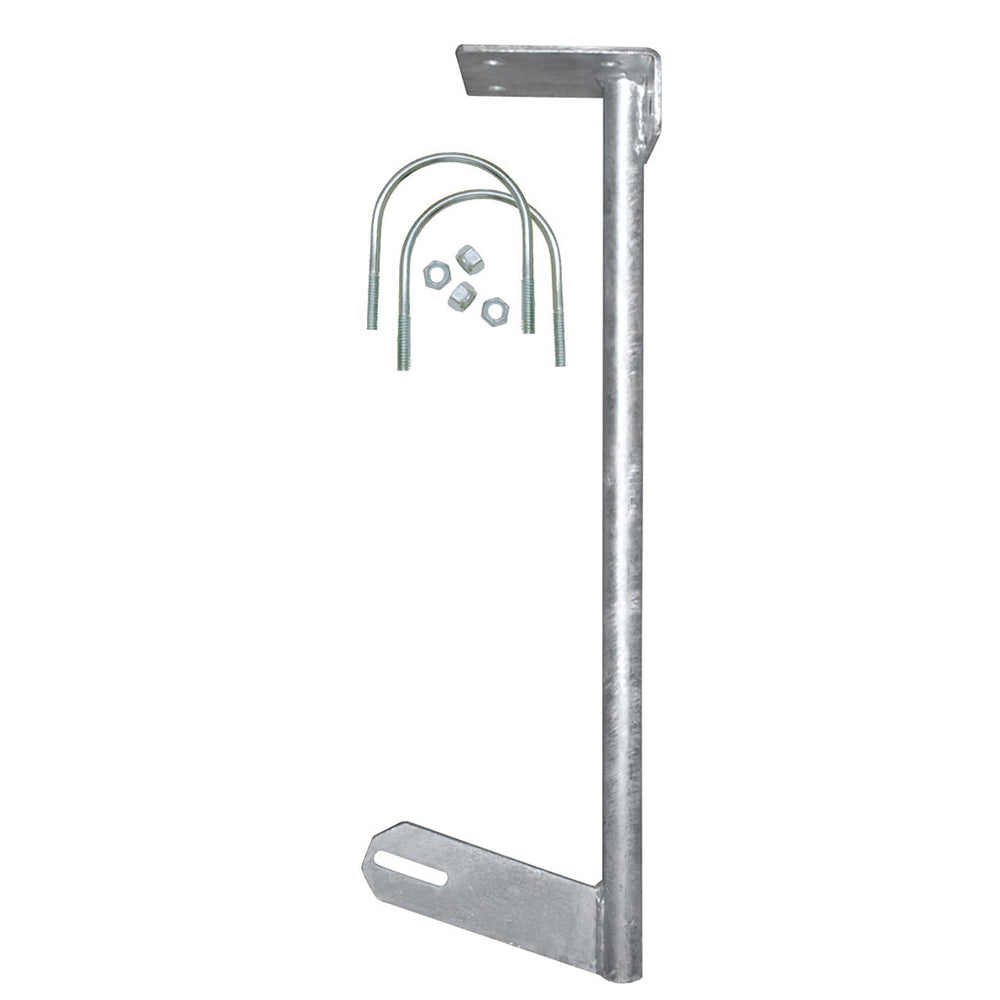
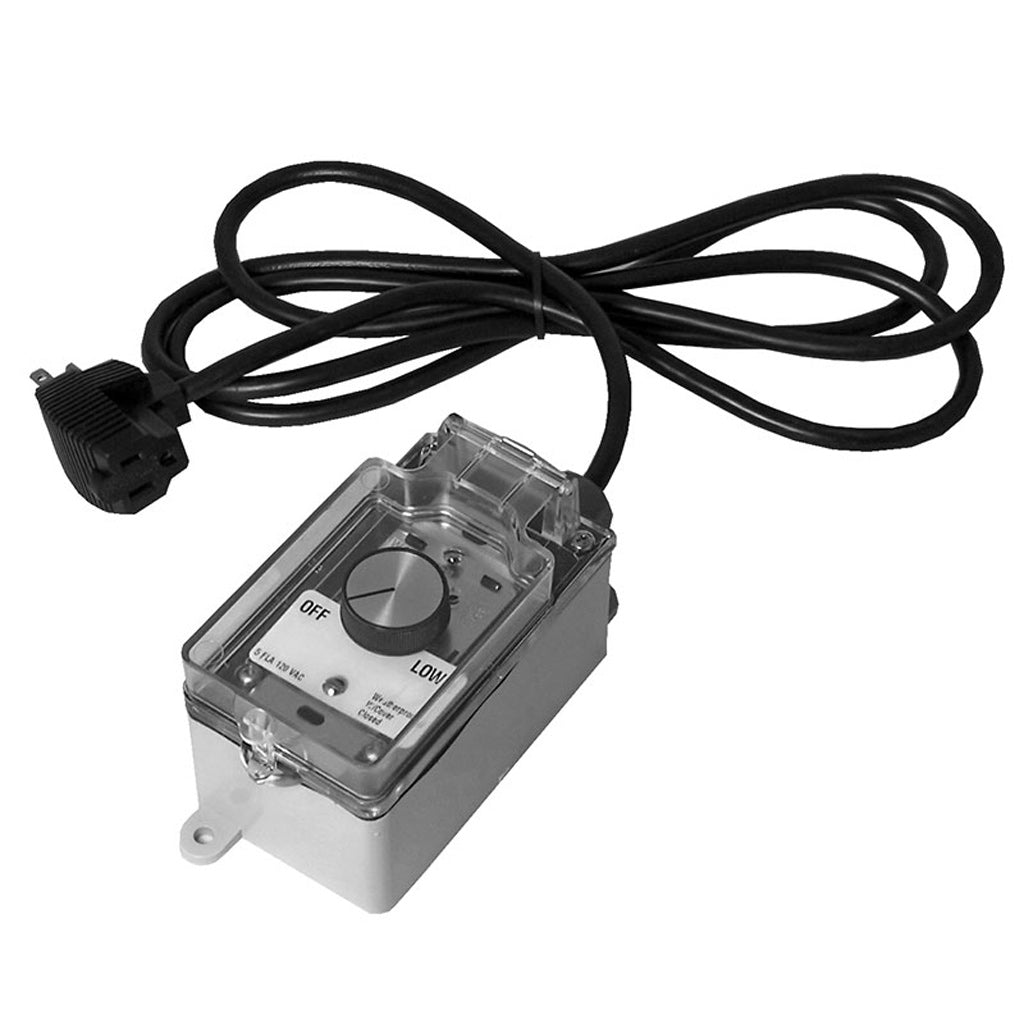






Best Greenhouse Environmental Control Systems
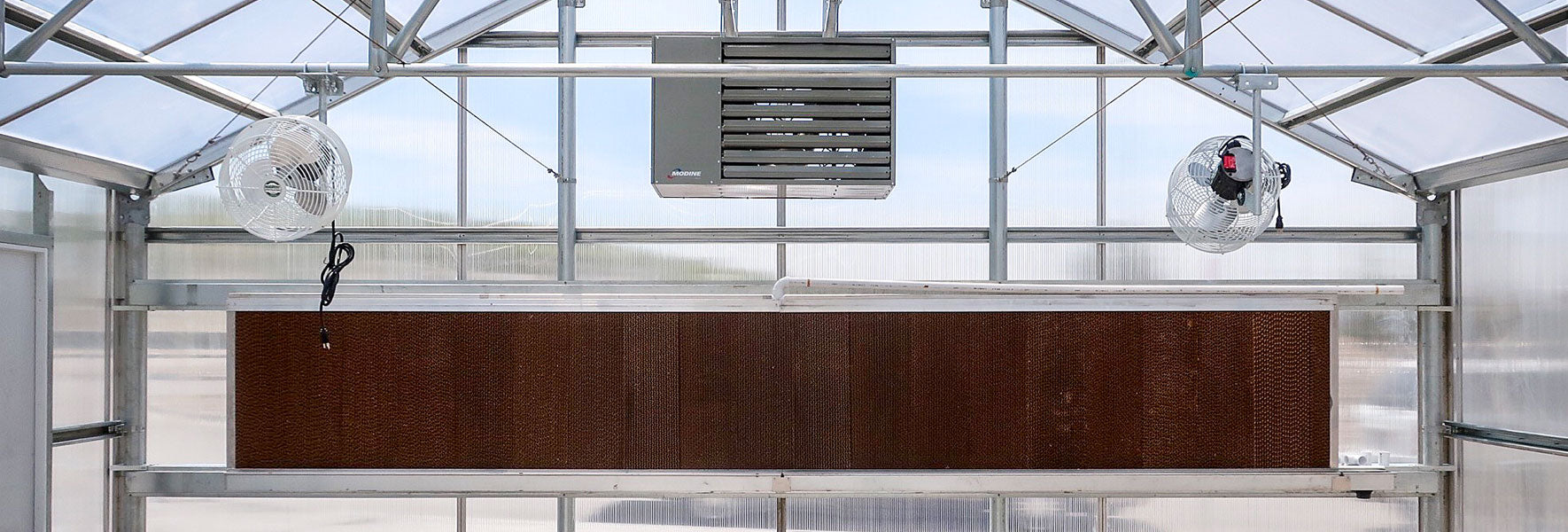
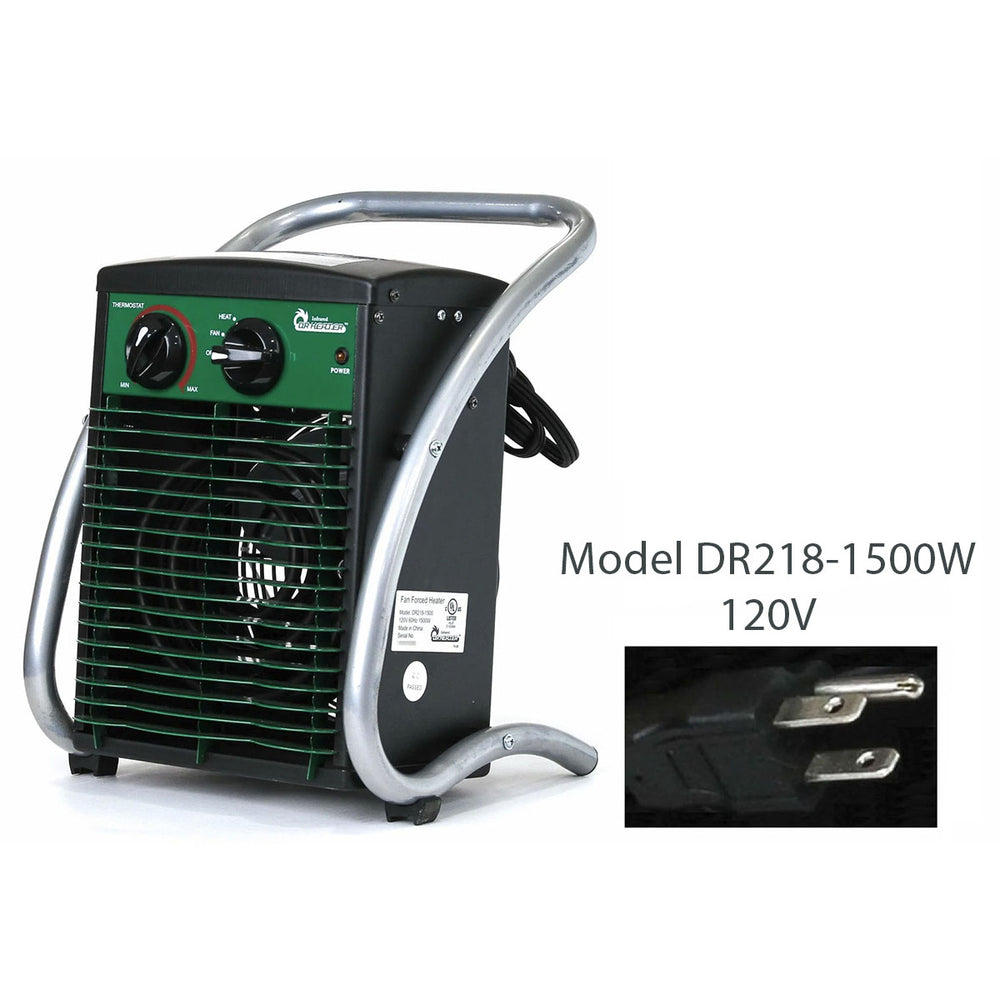
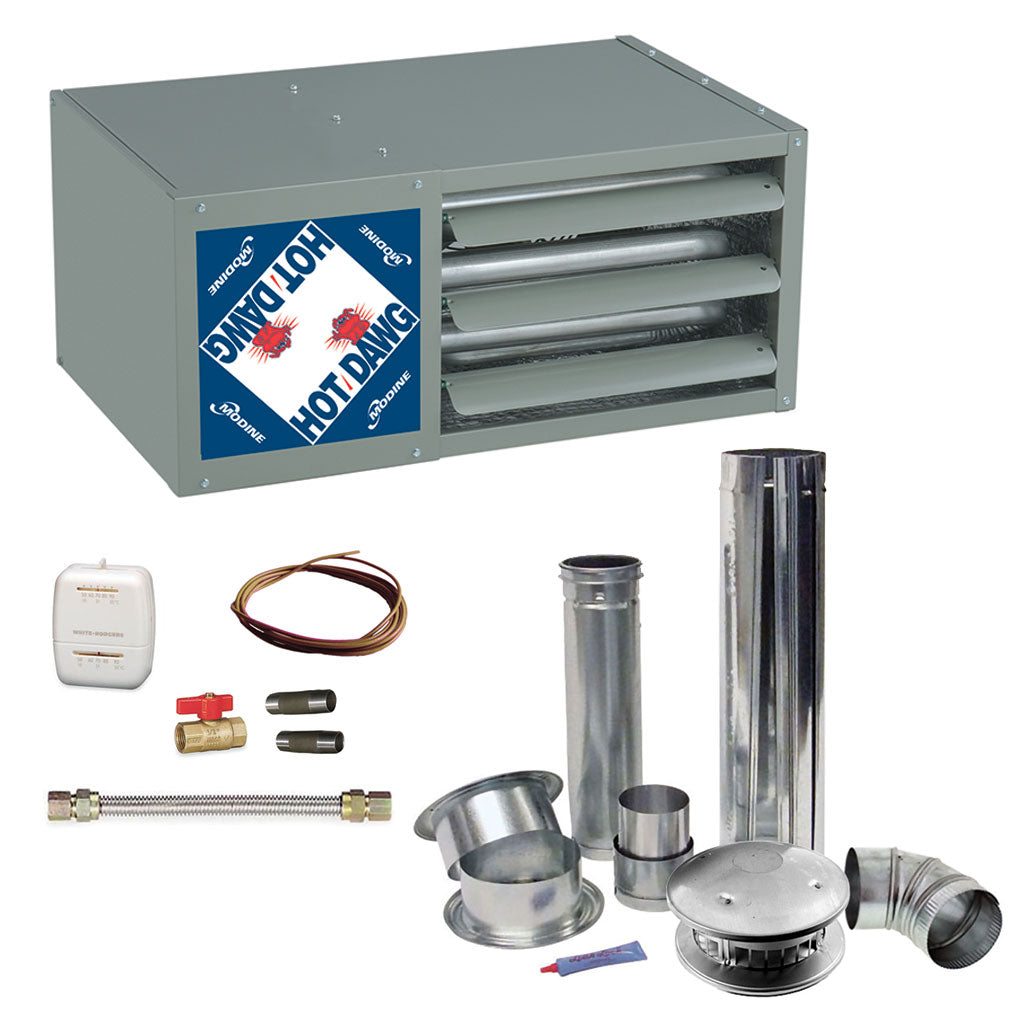
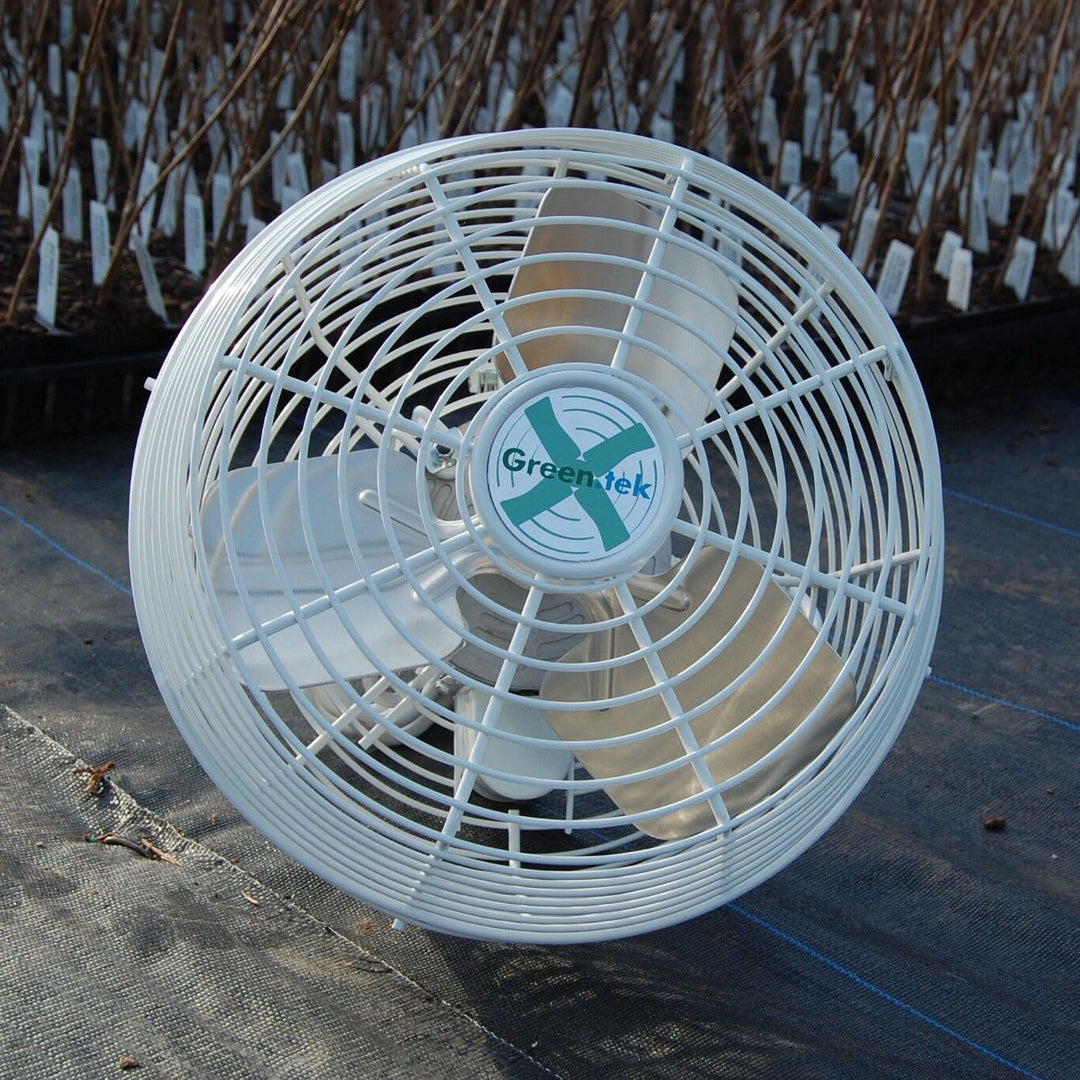
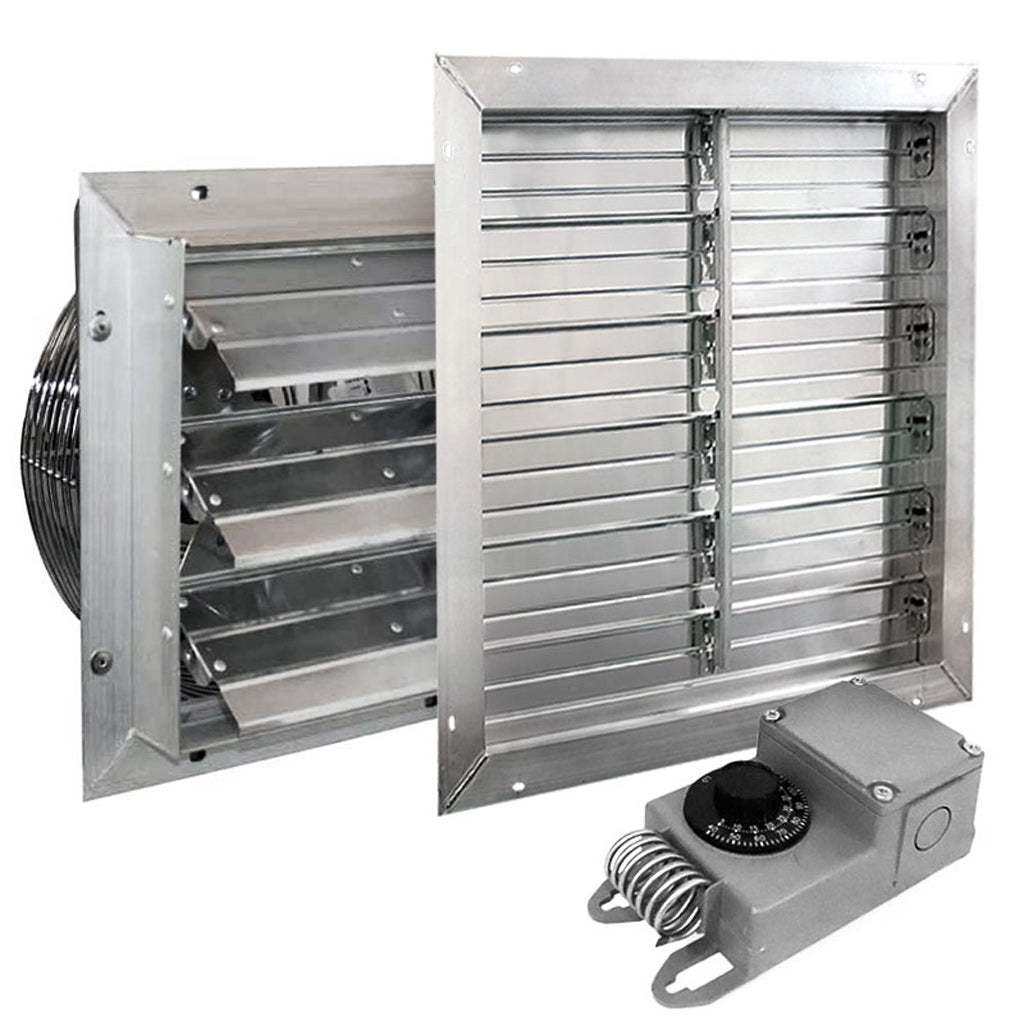
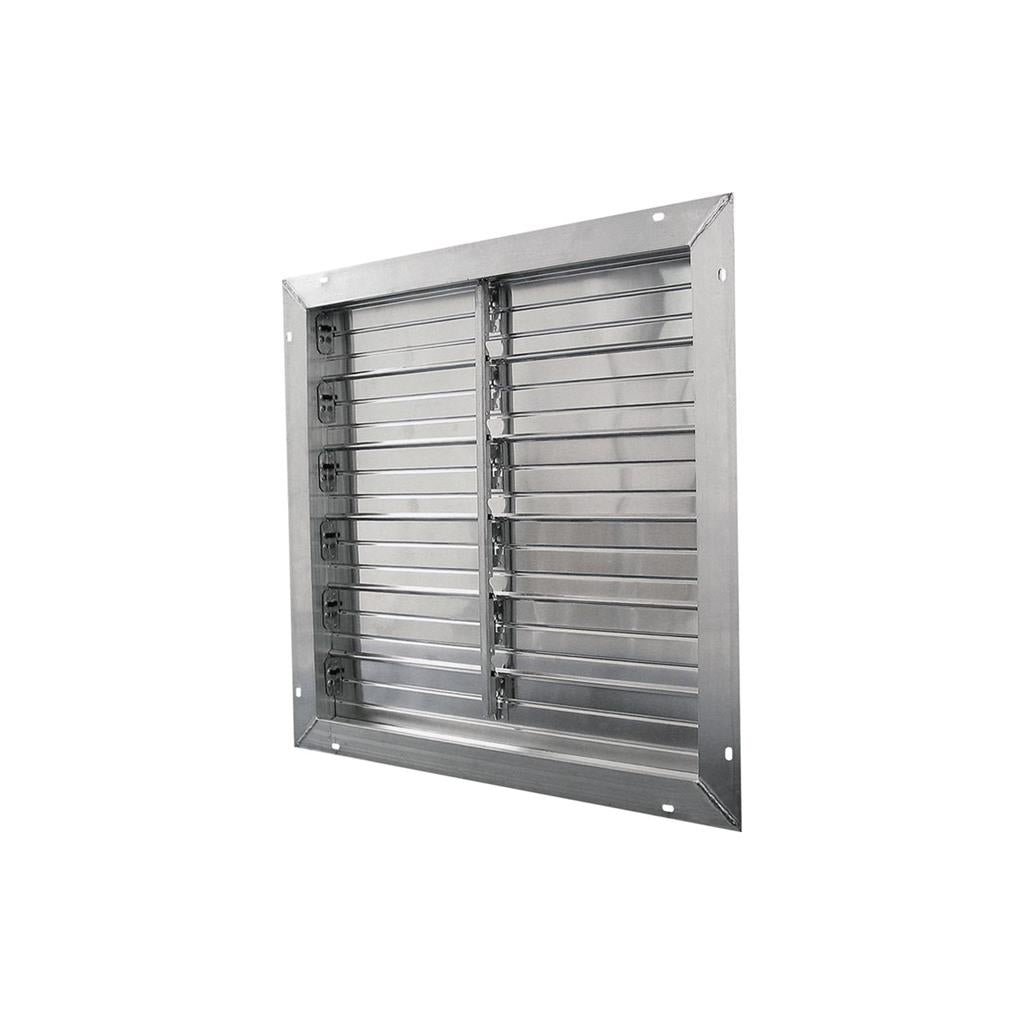
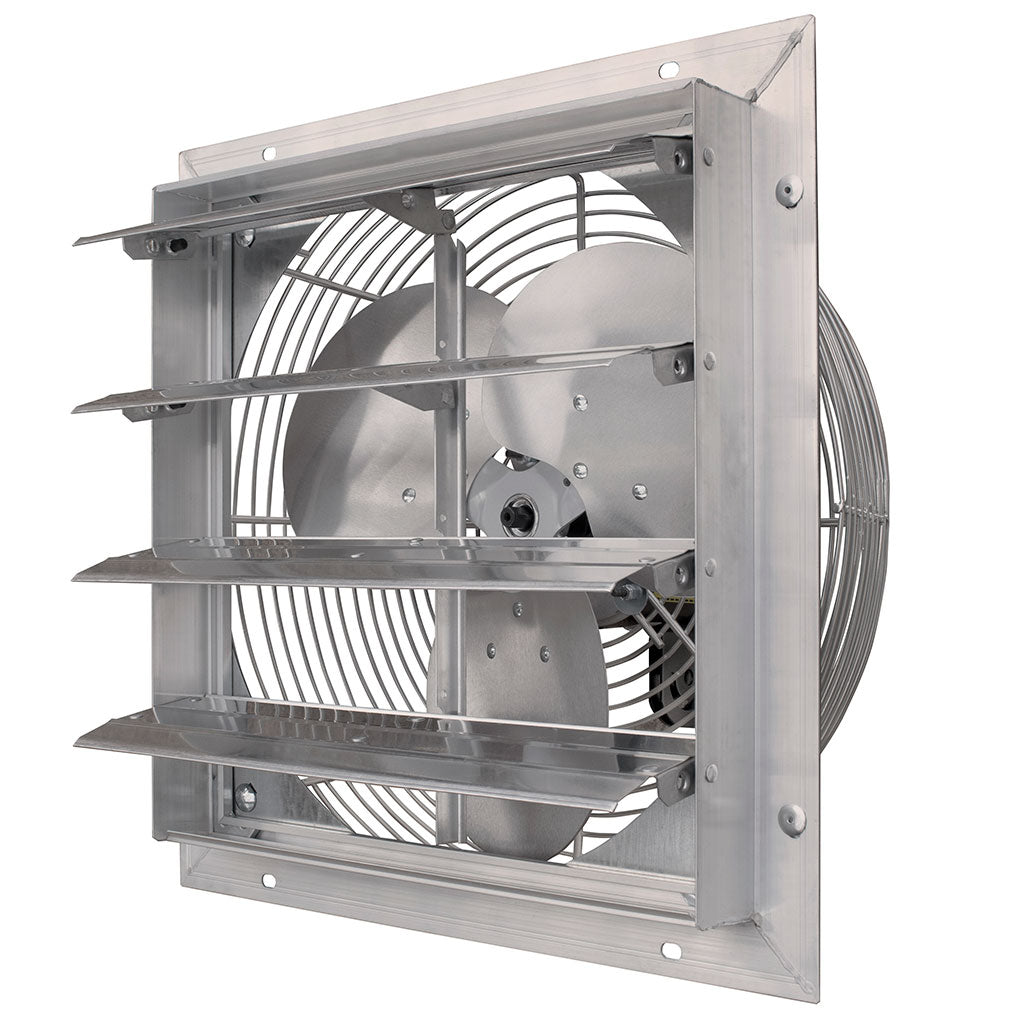
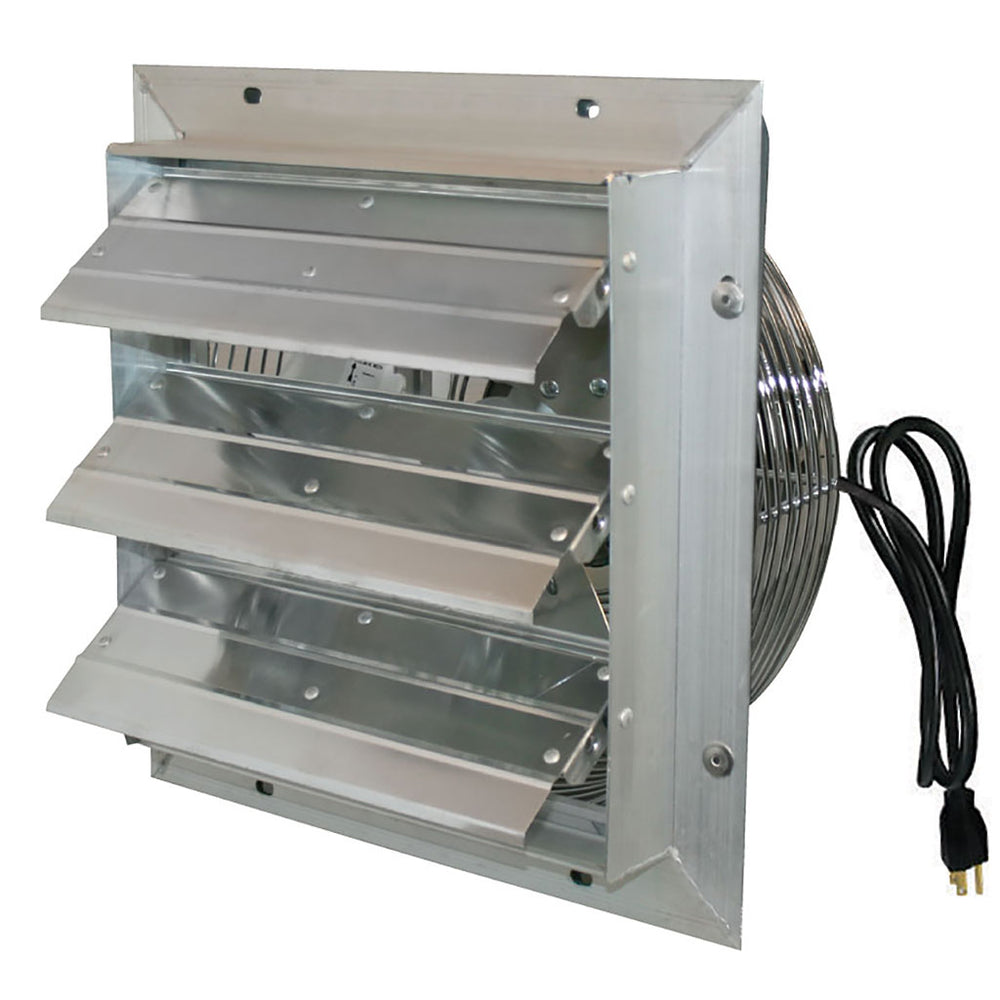
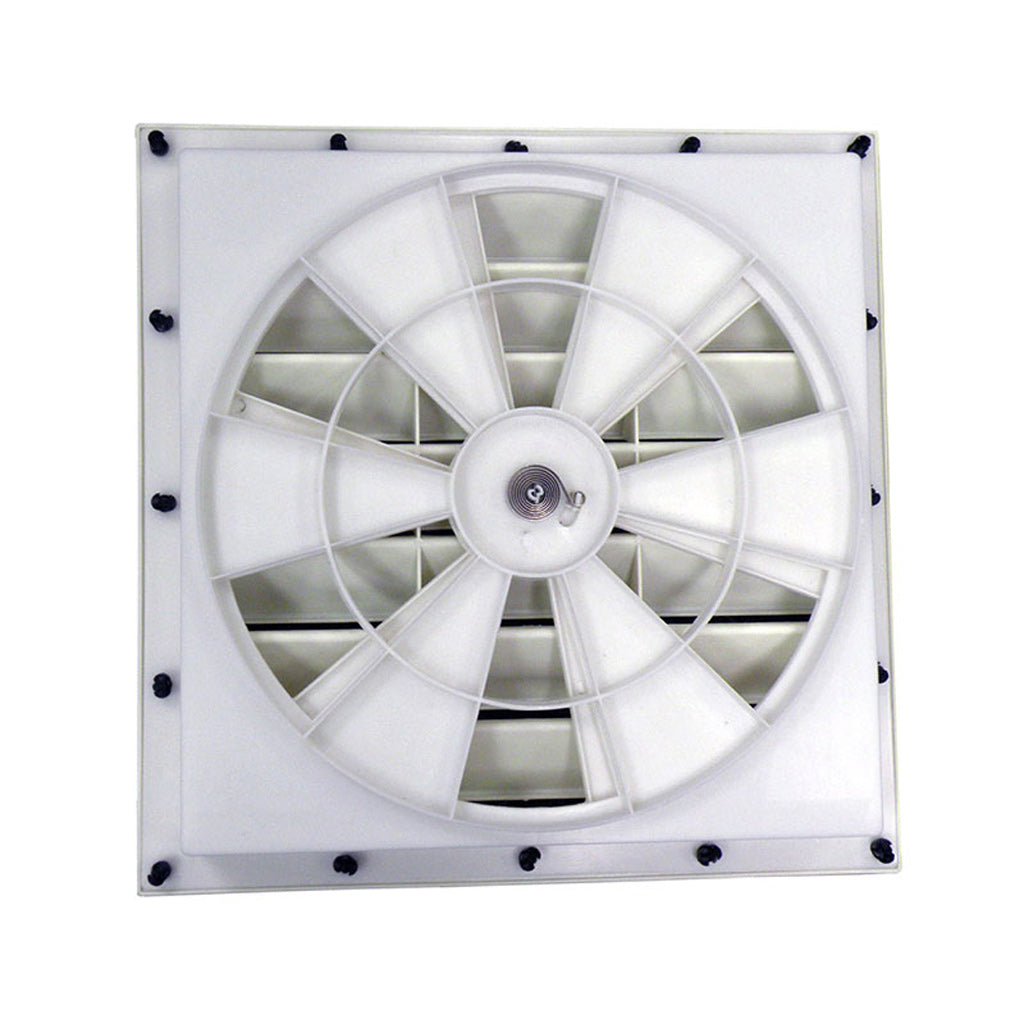
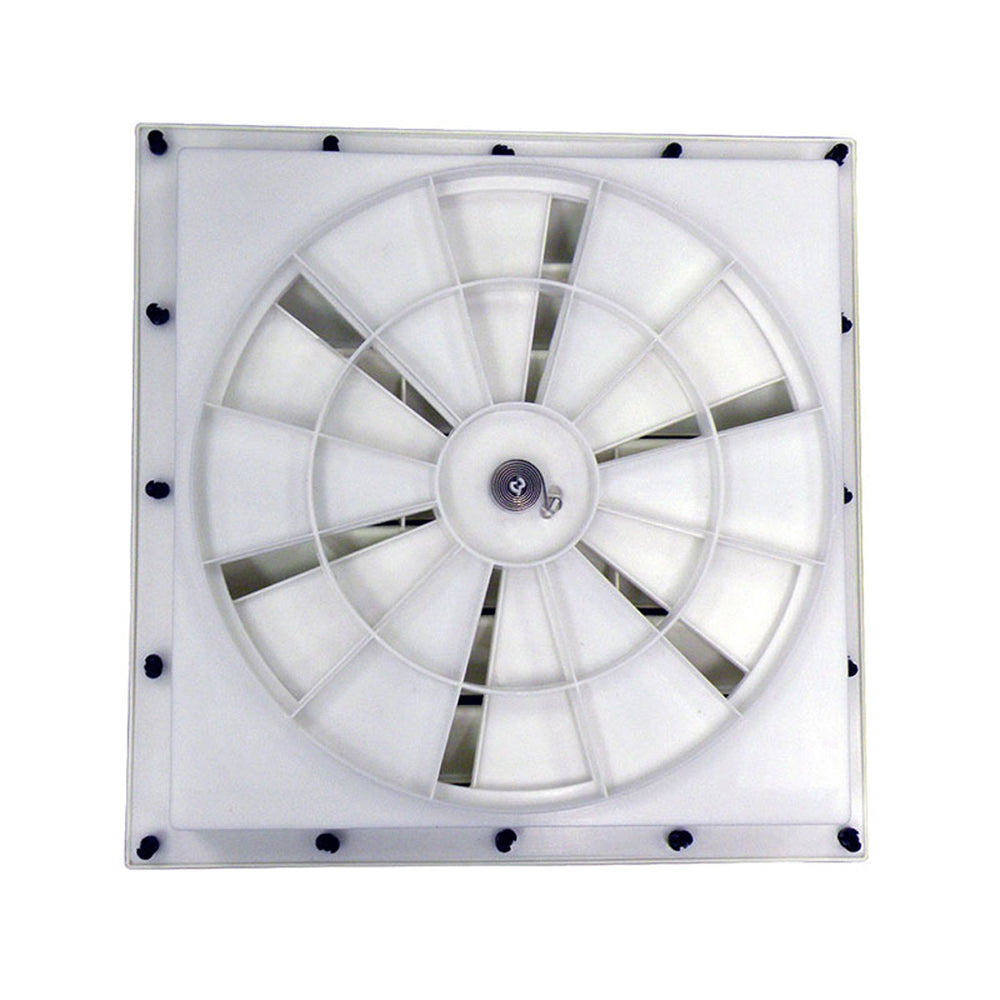
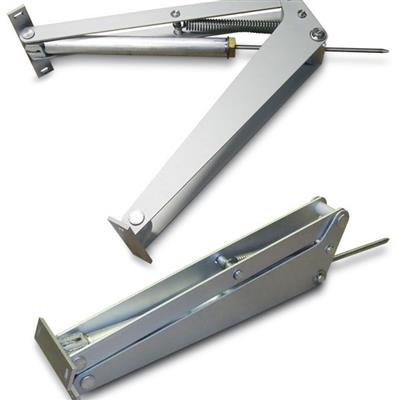
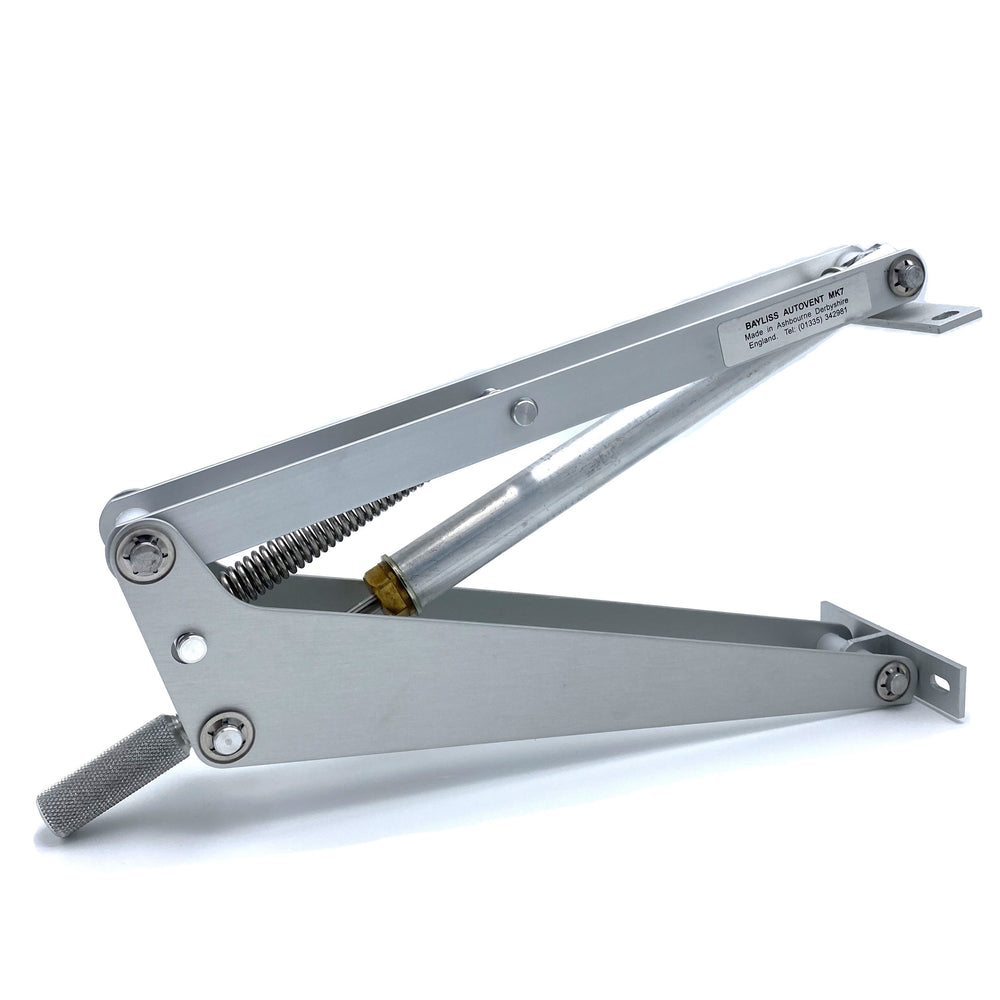
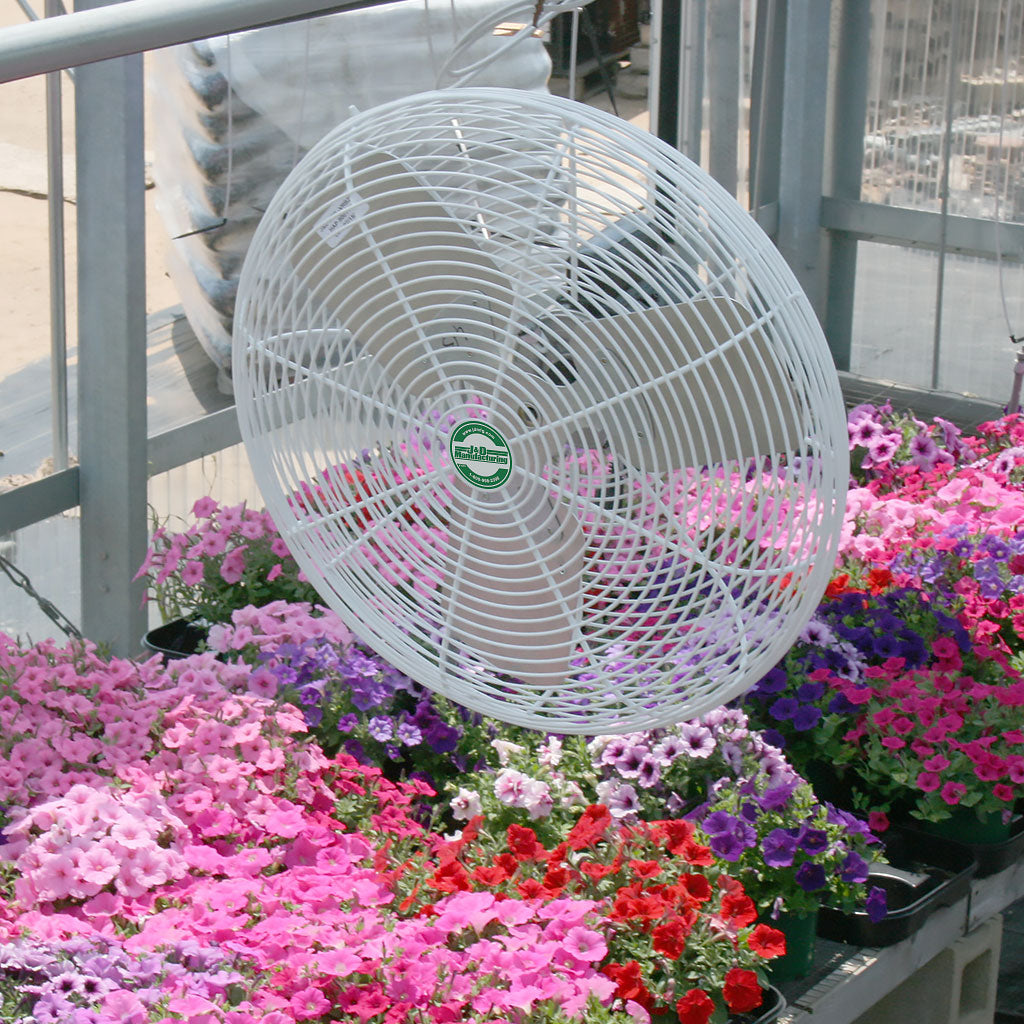
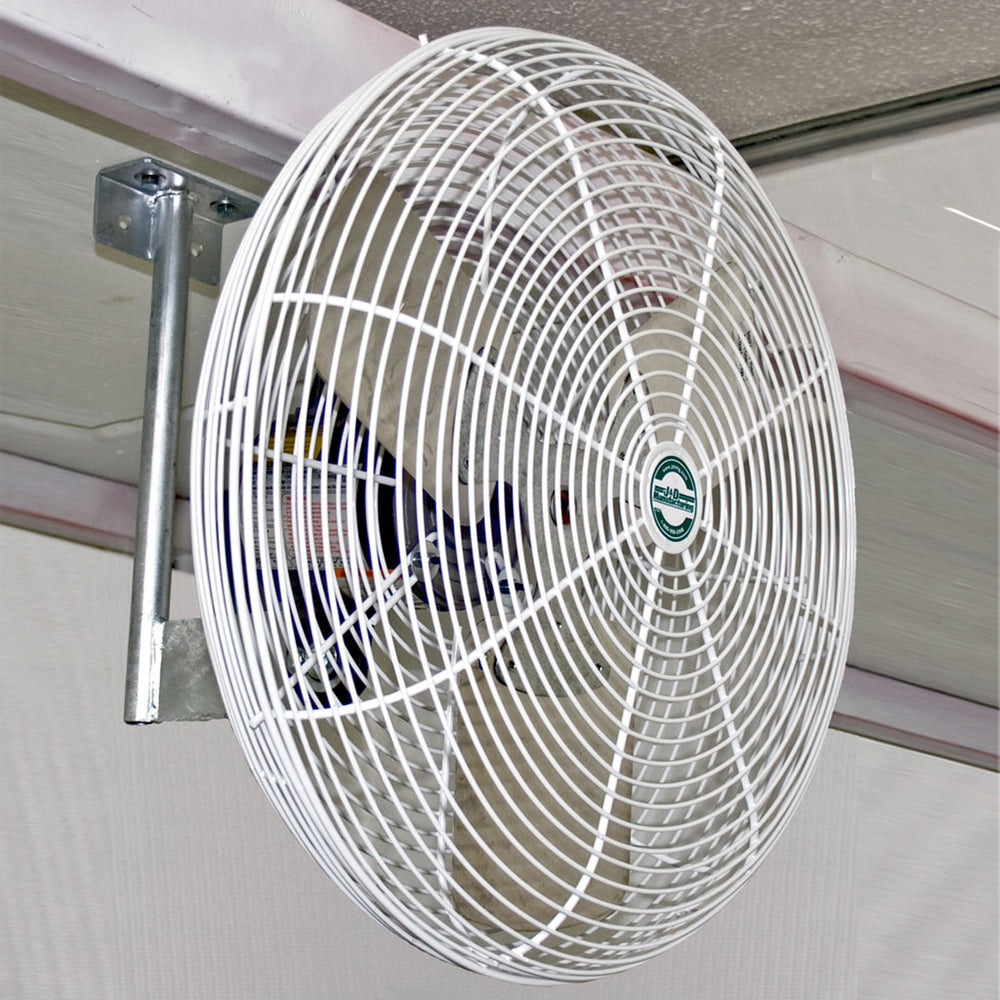
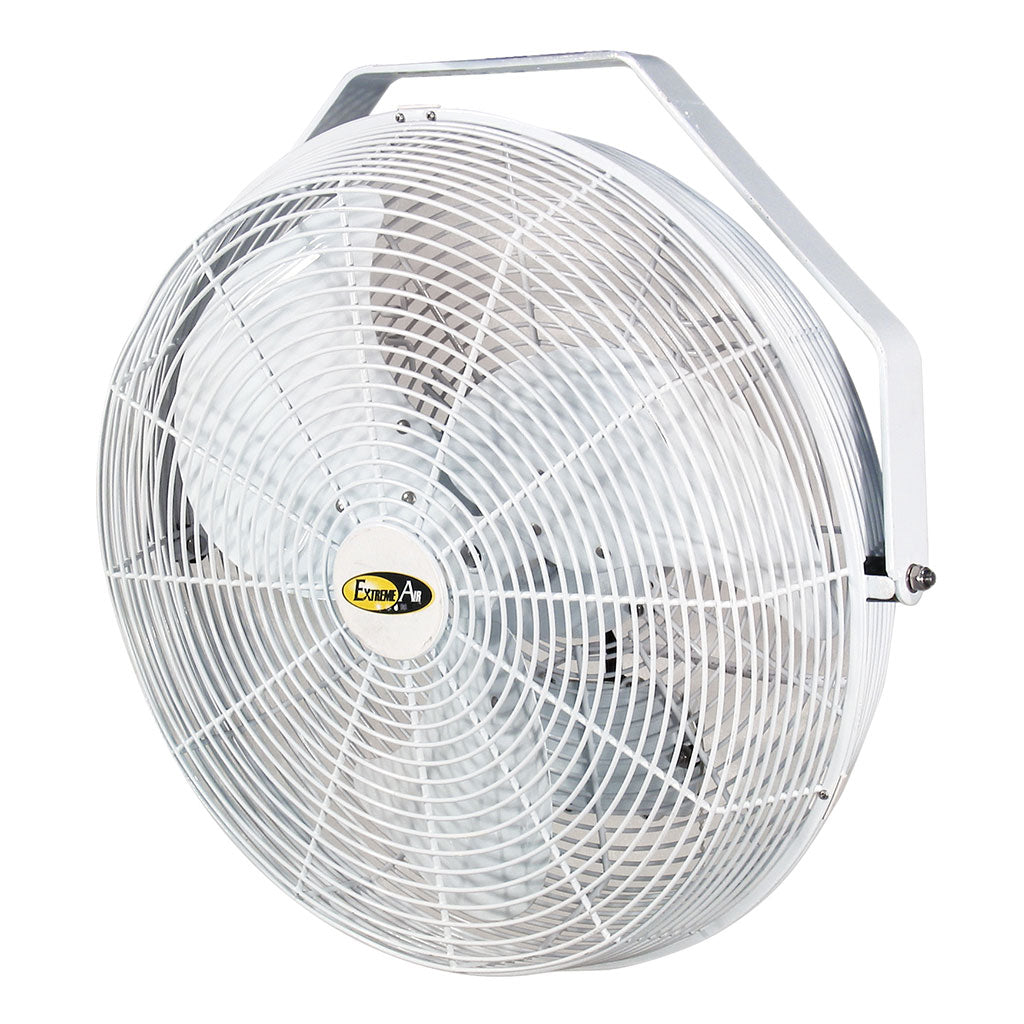
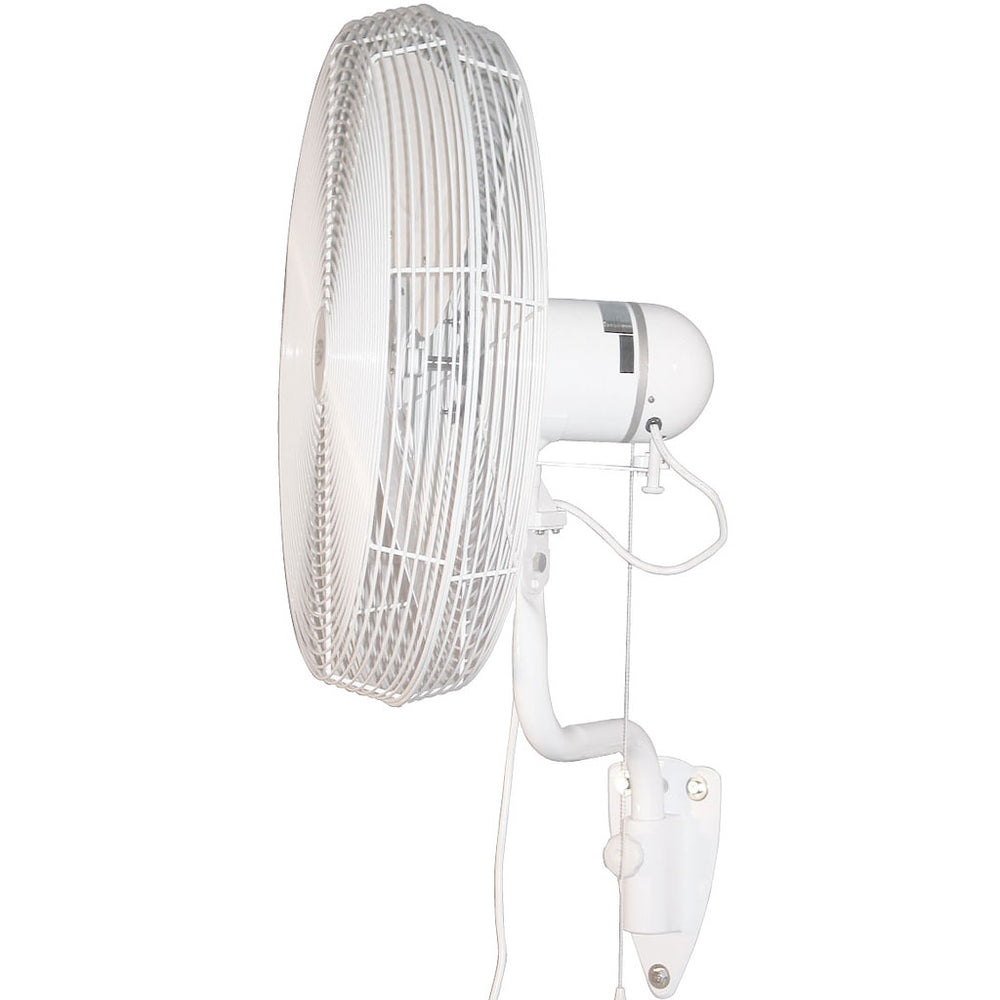
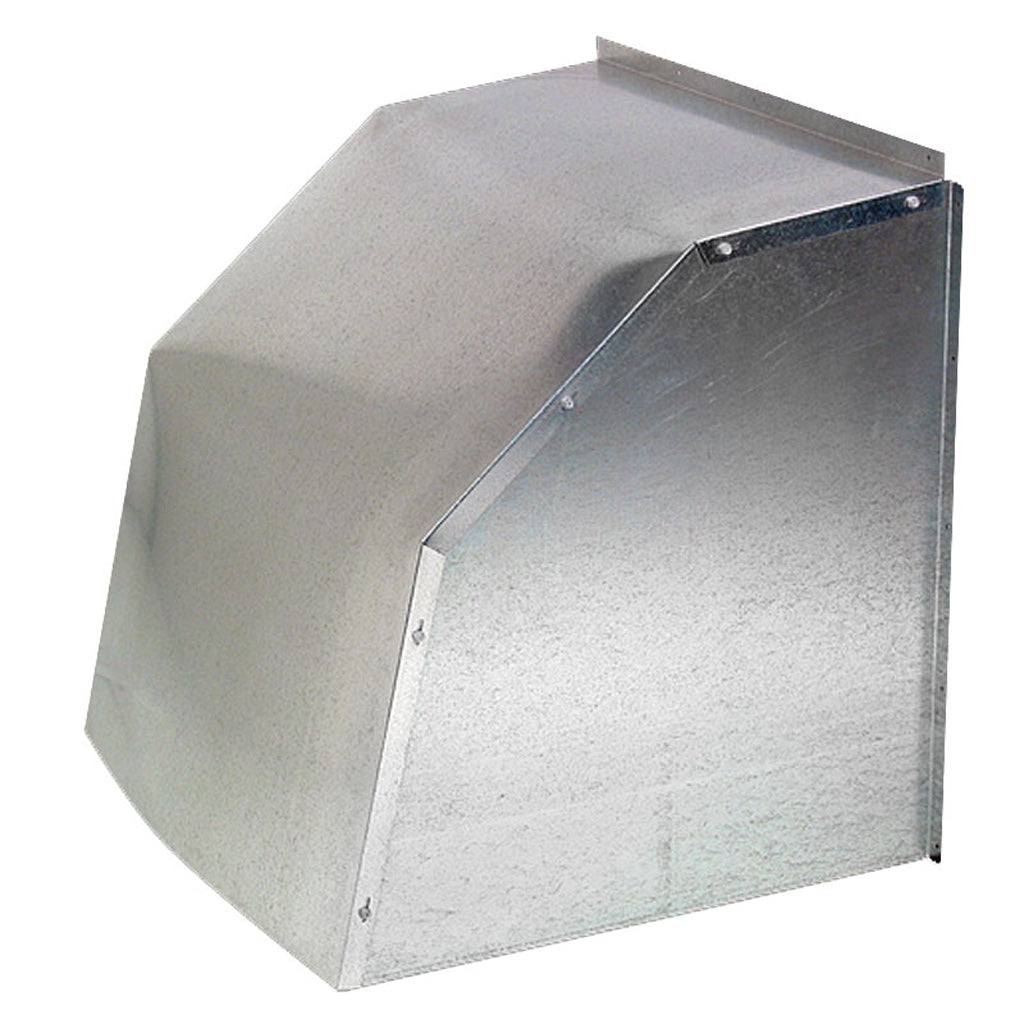
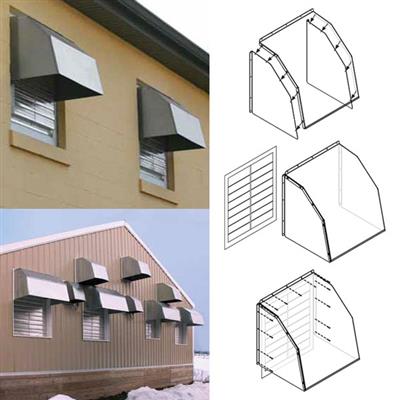
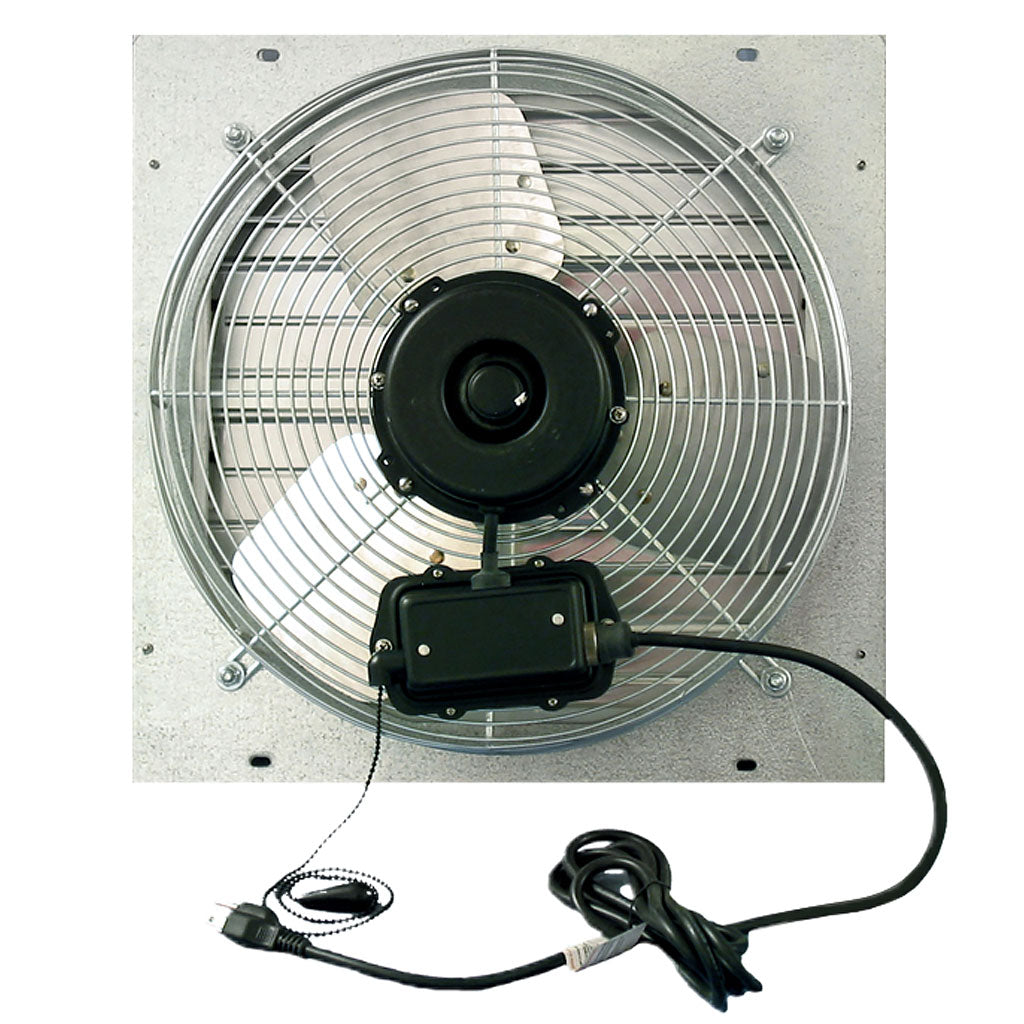
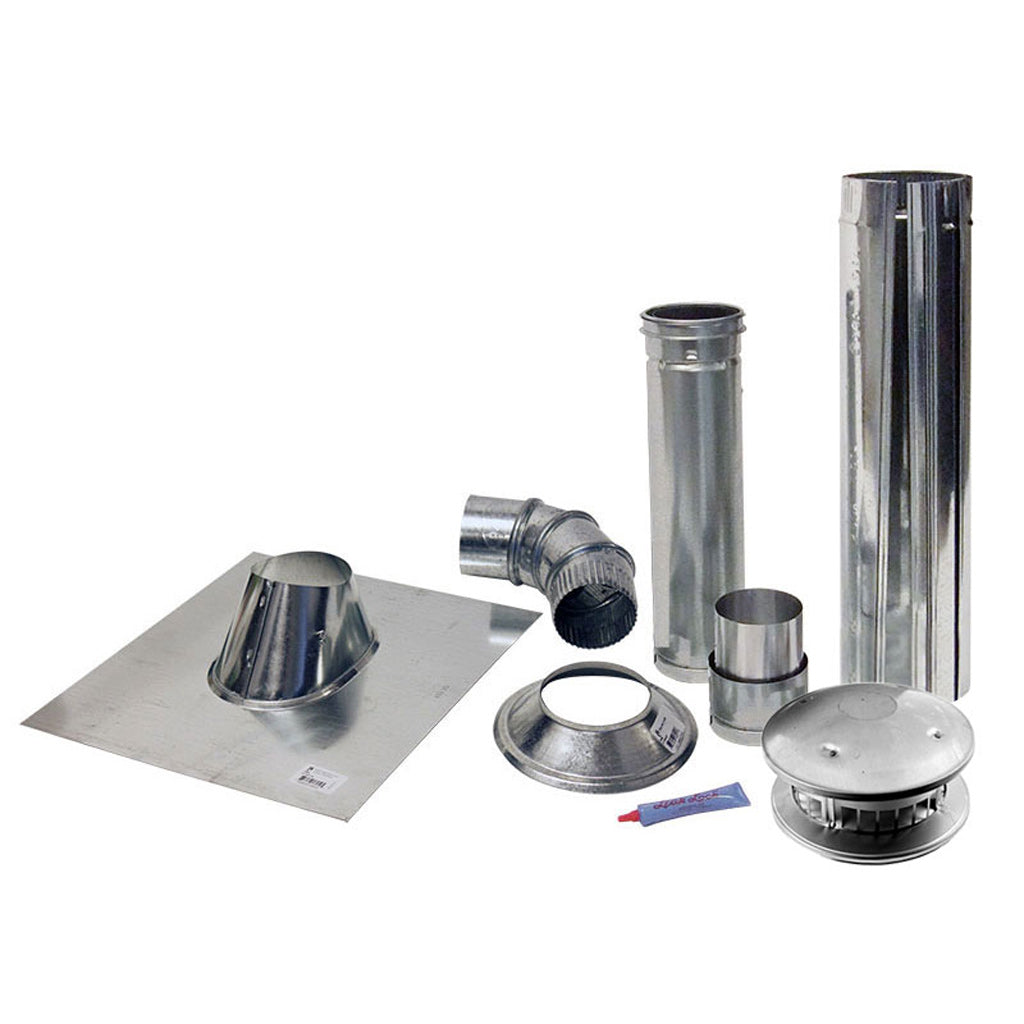
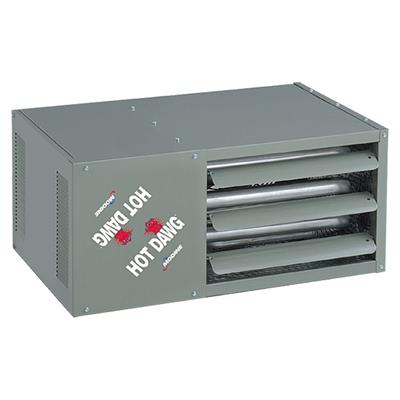
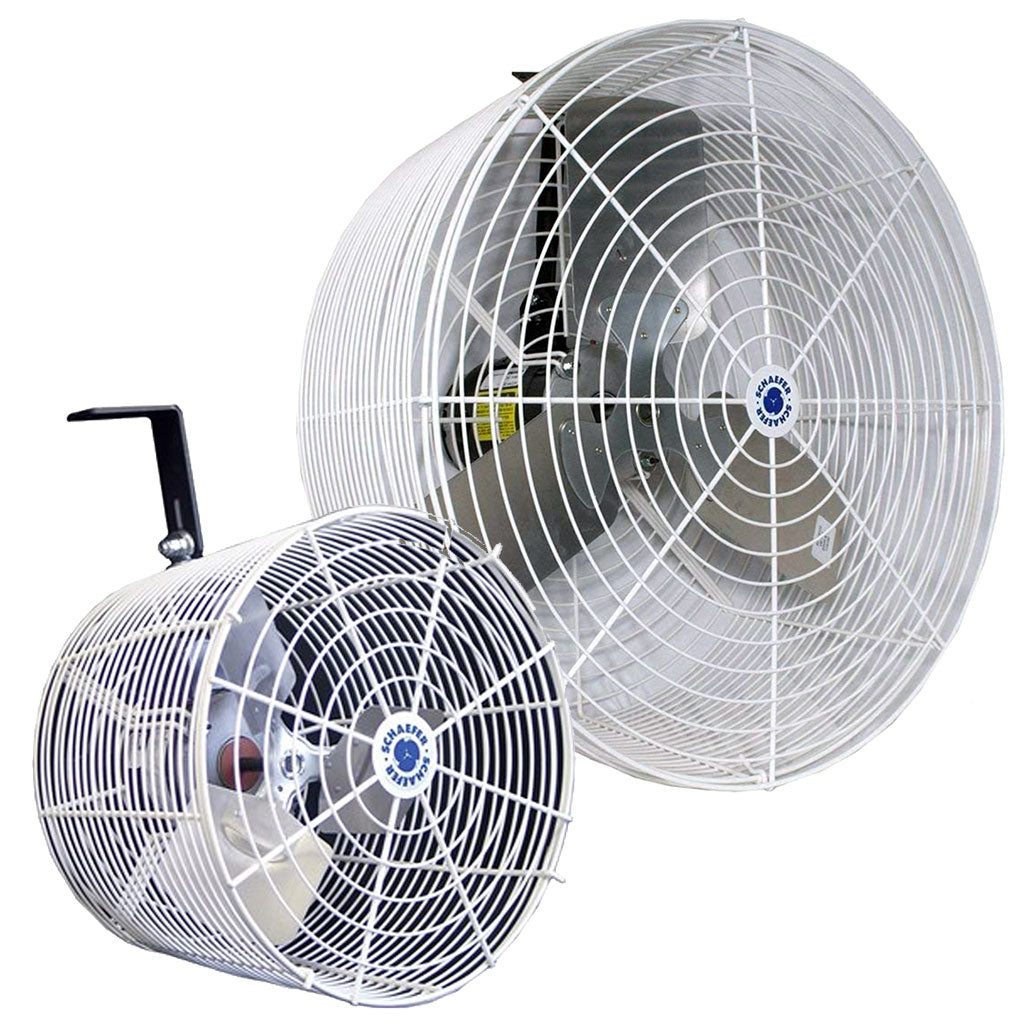
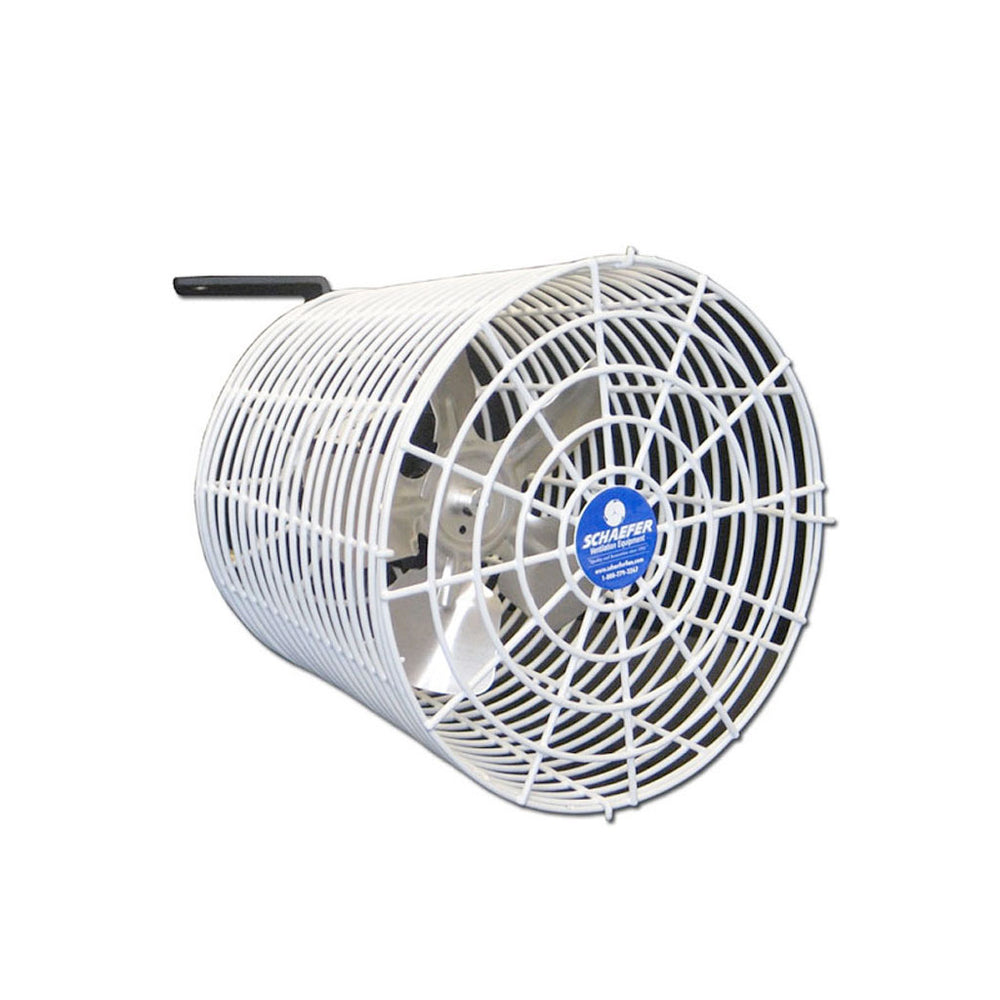
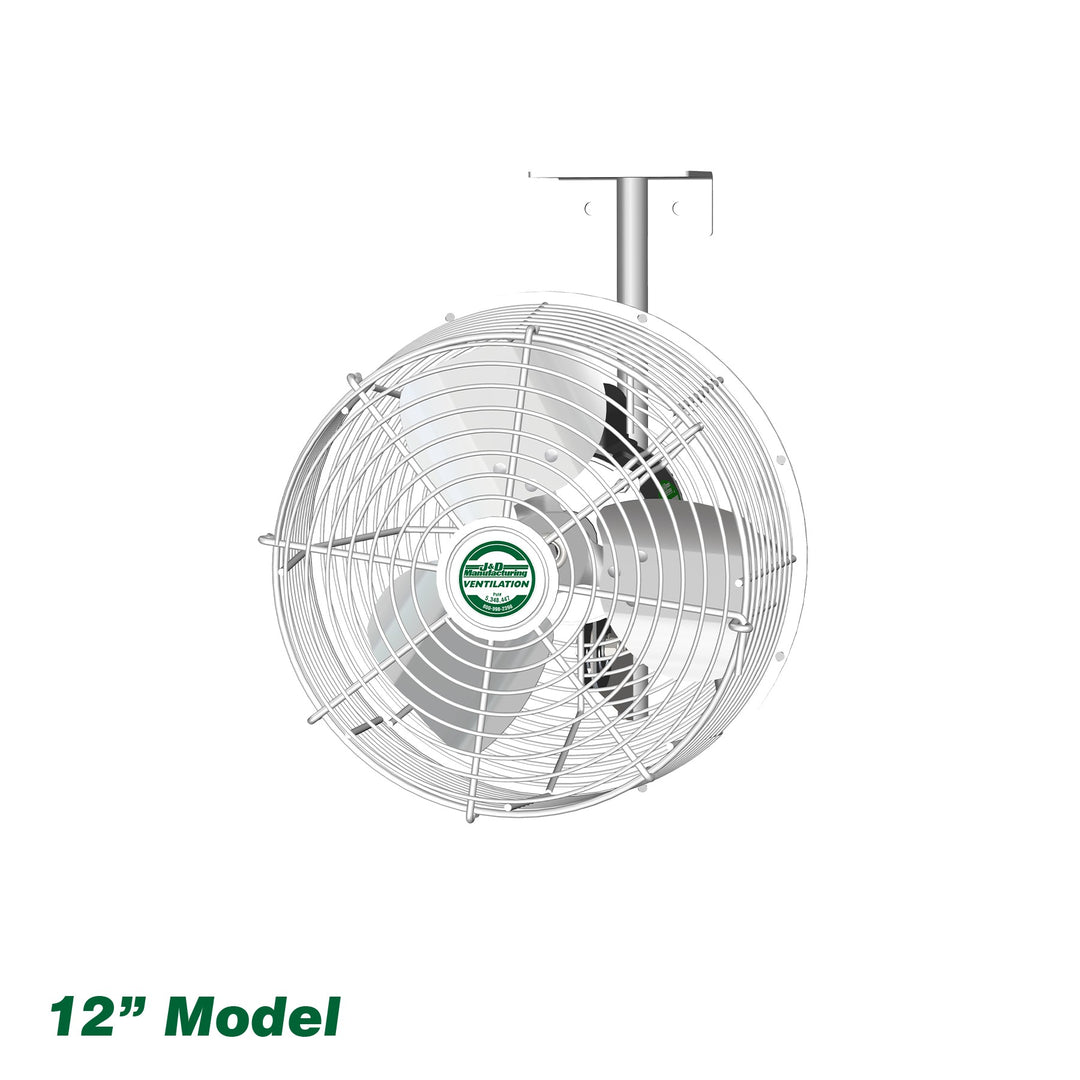
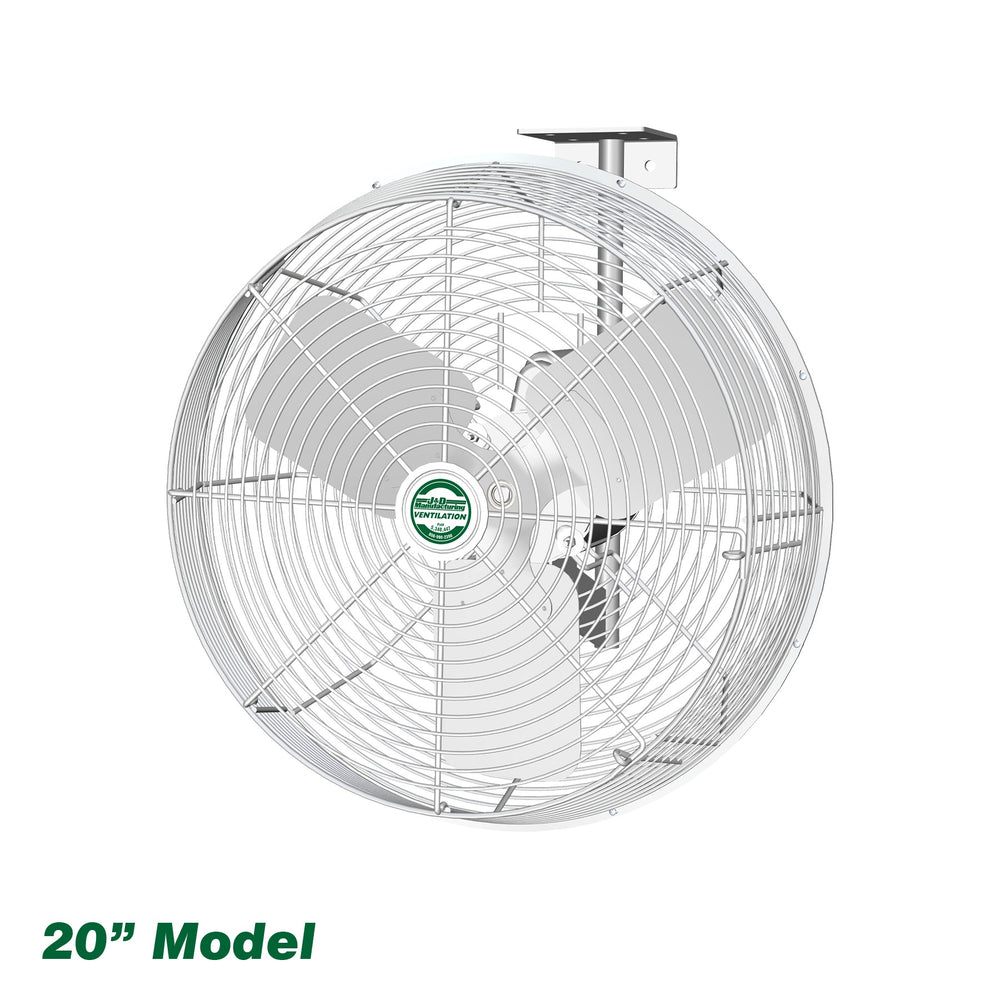
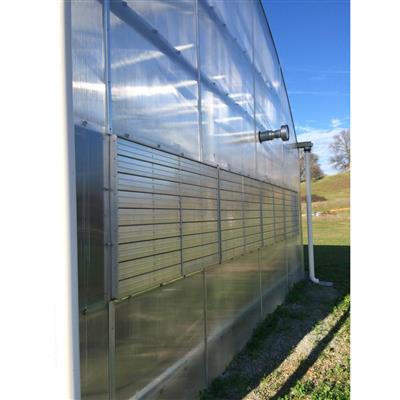
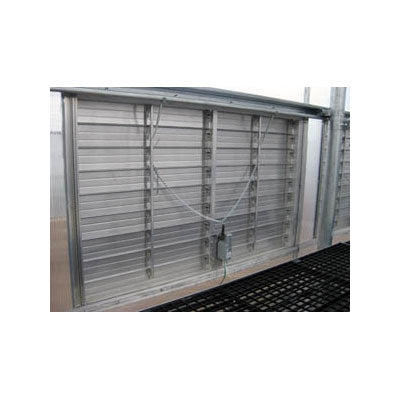
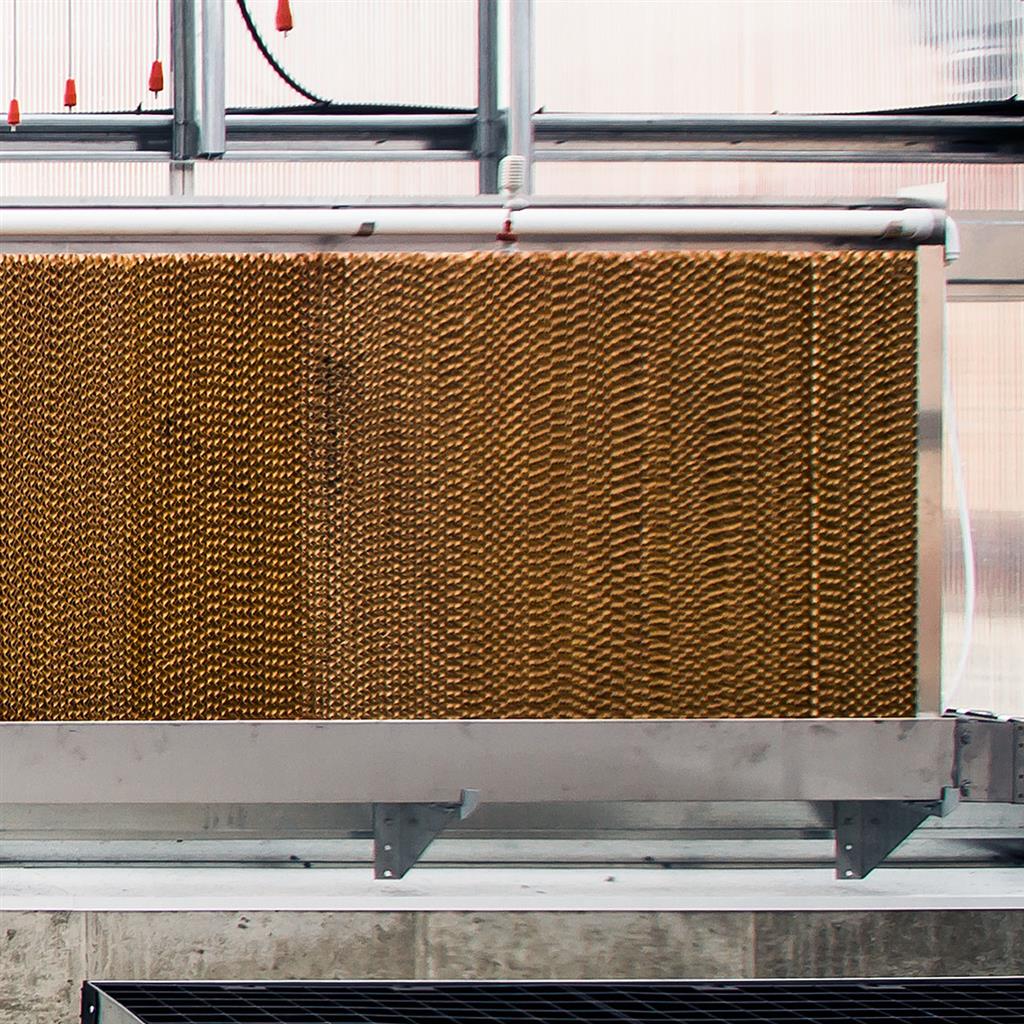
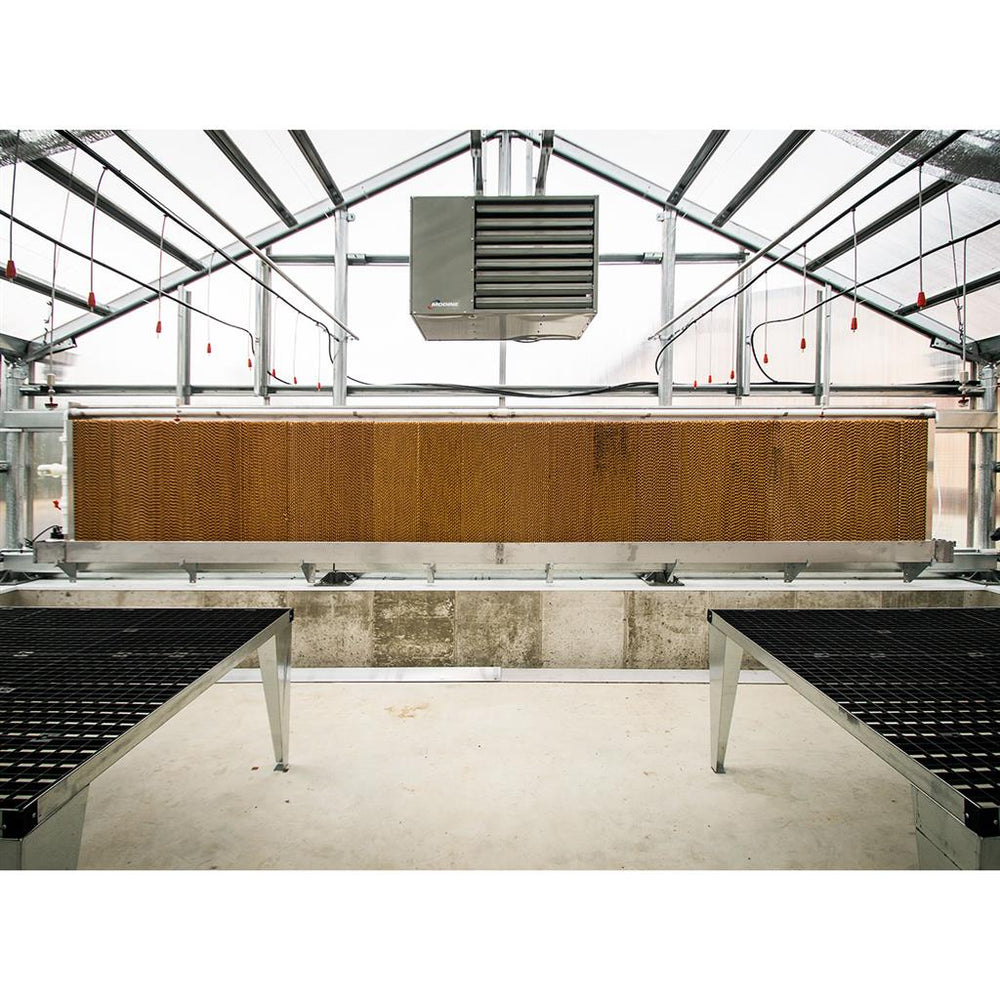
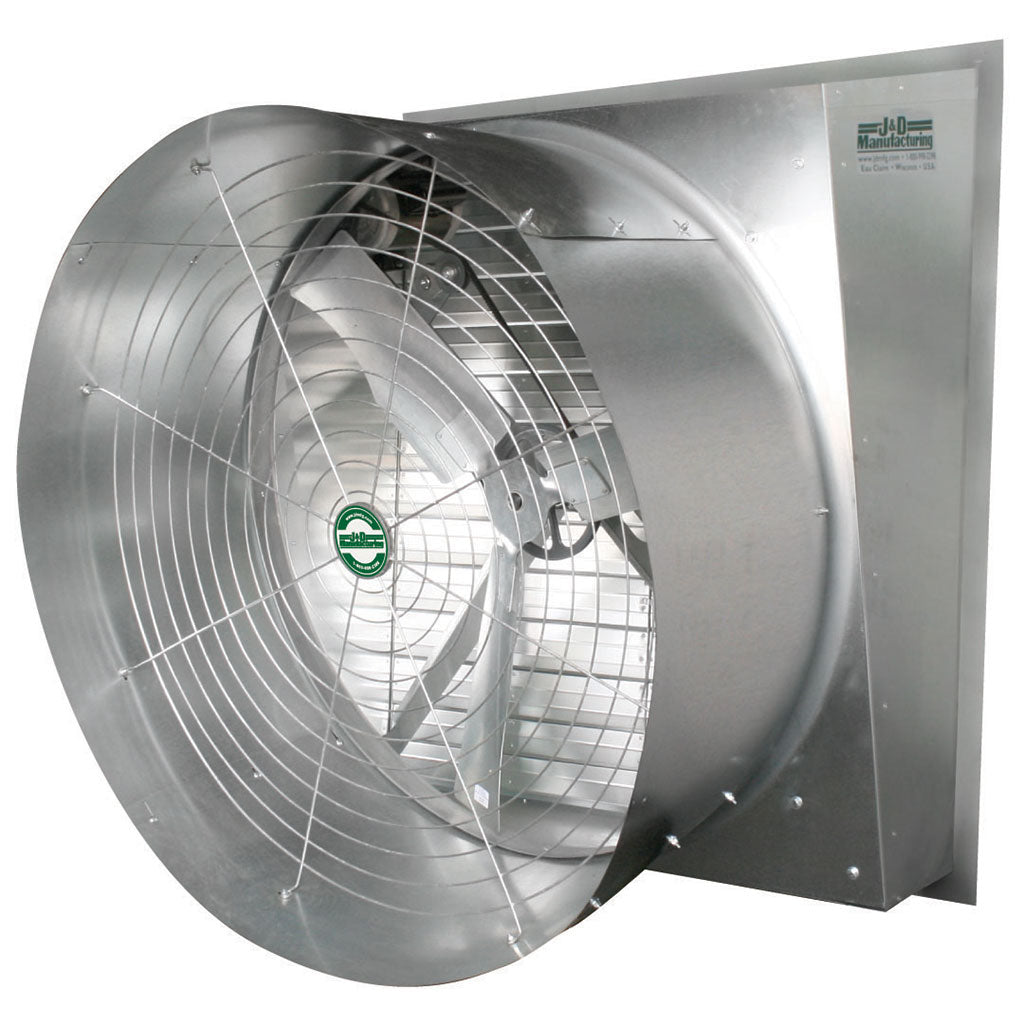
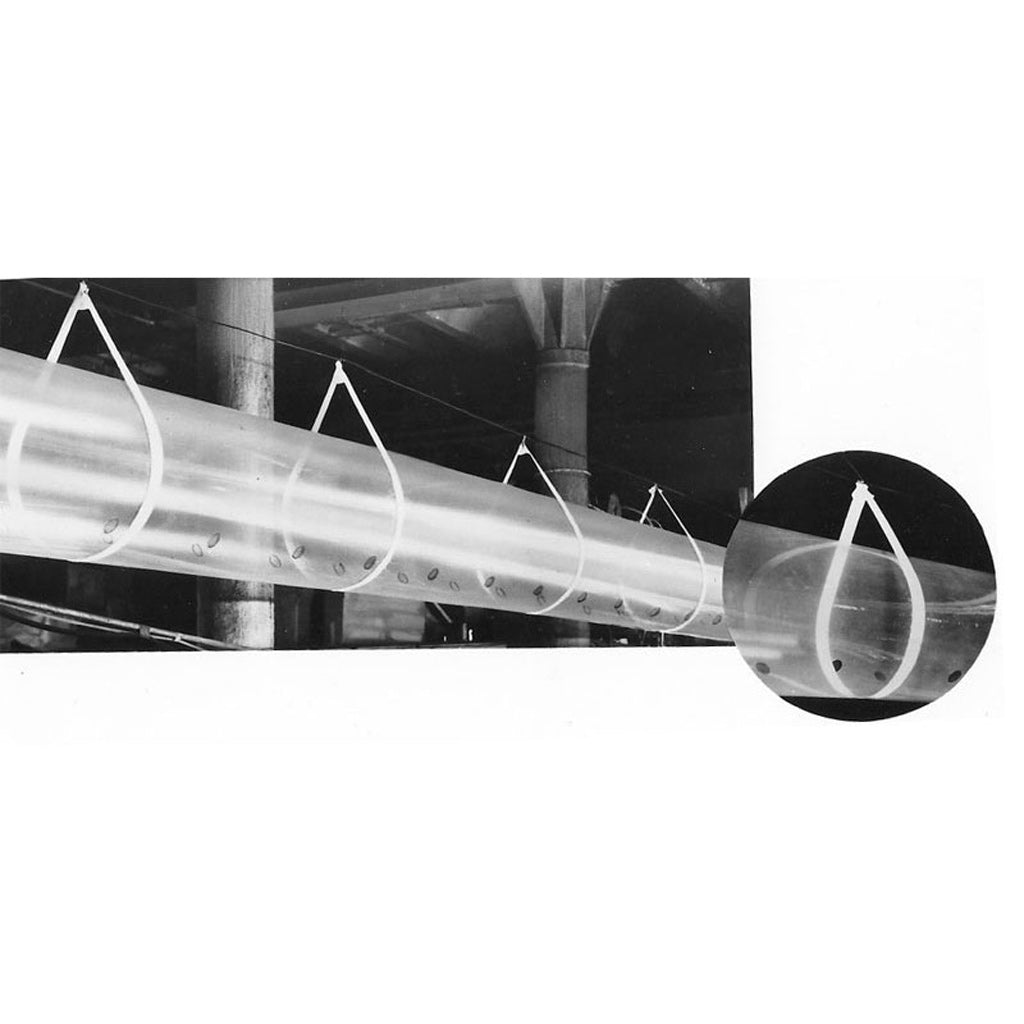
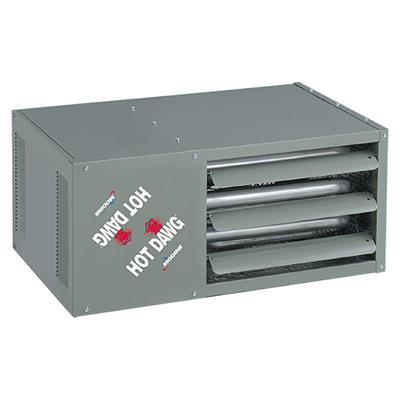
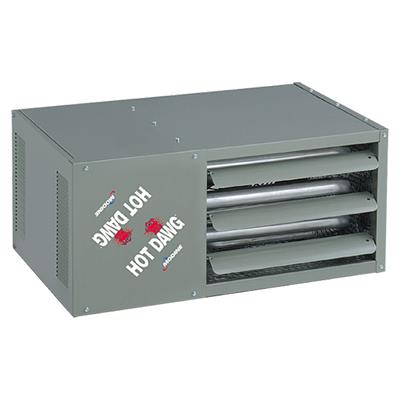
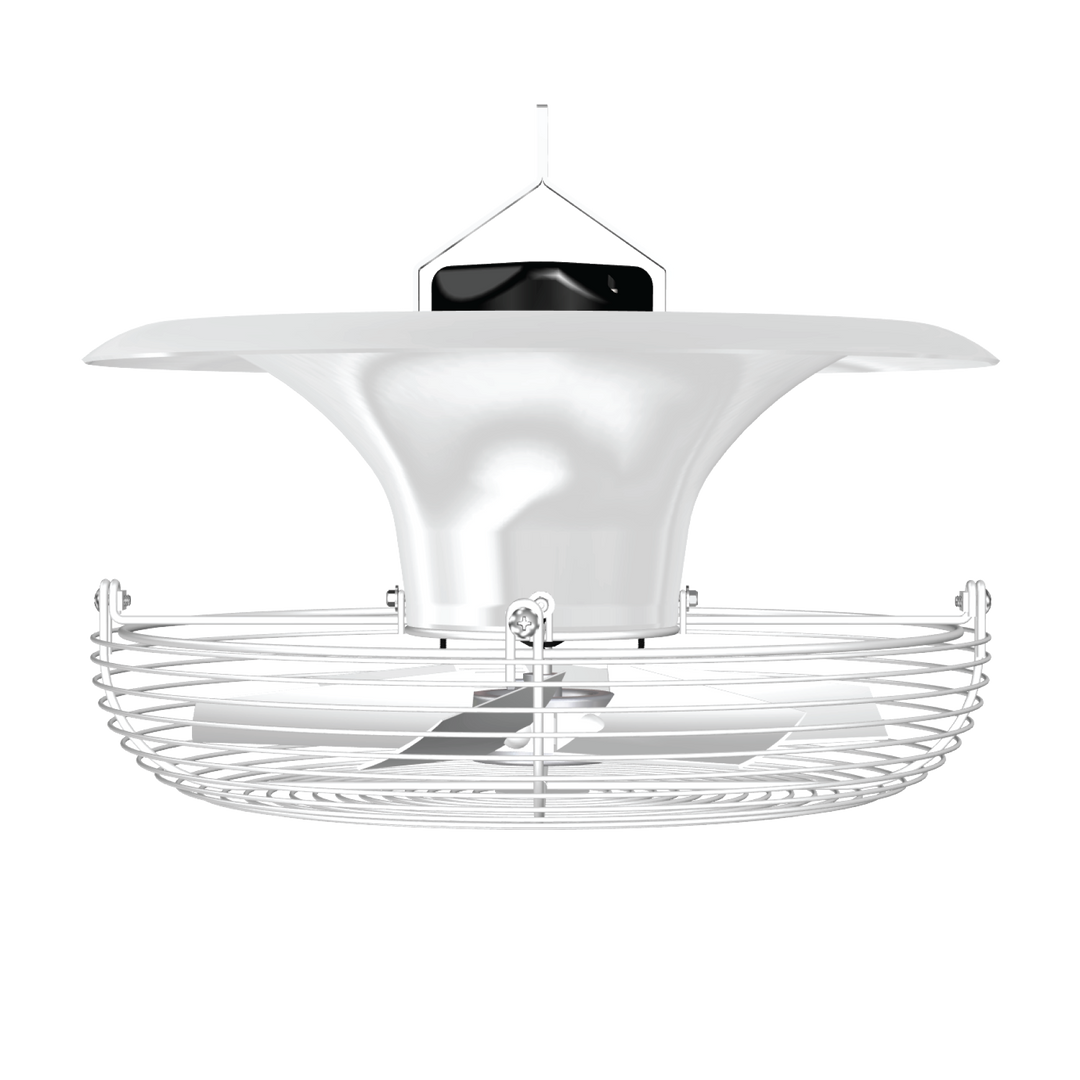
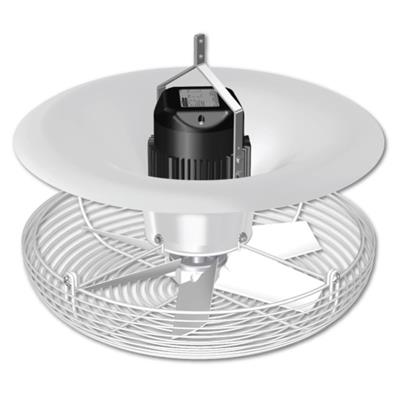
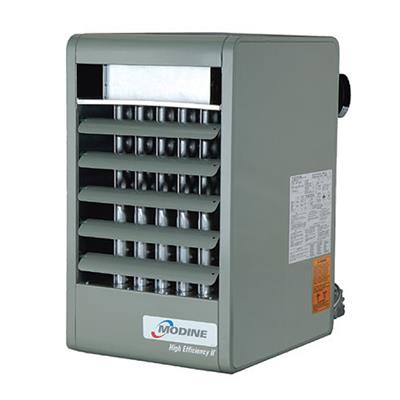
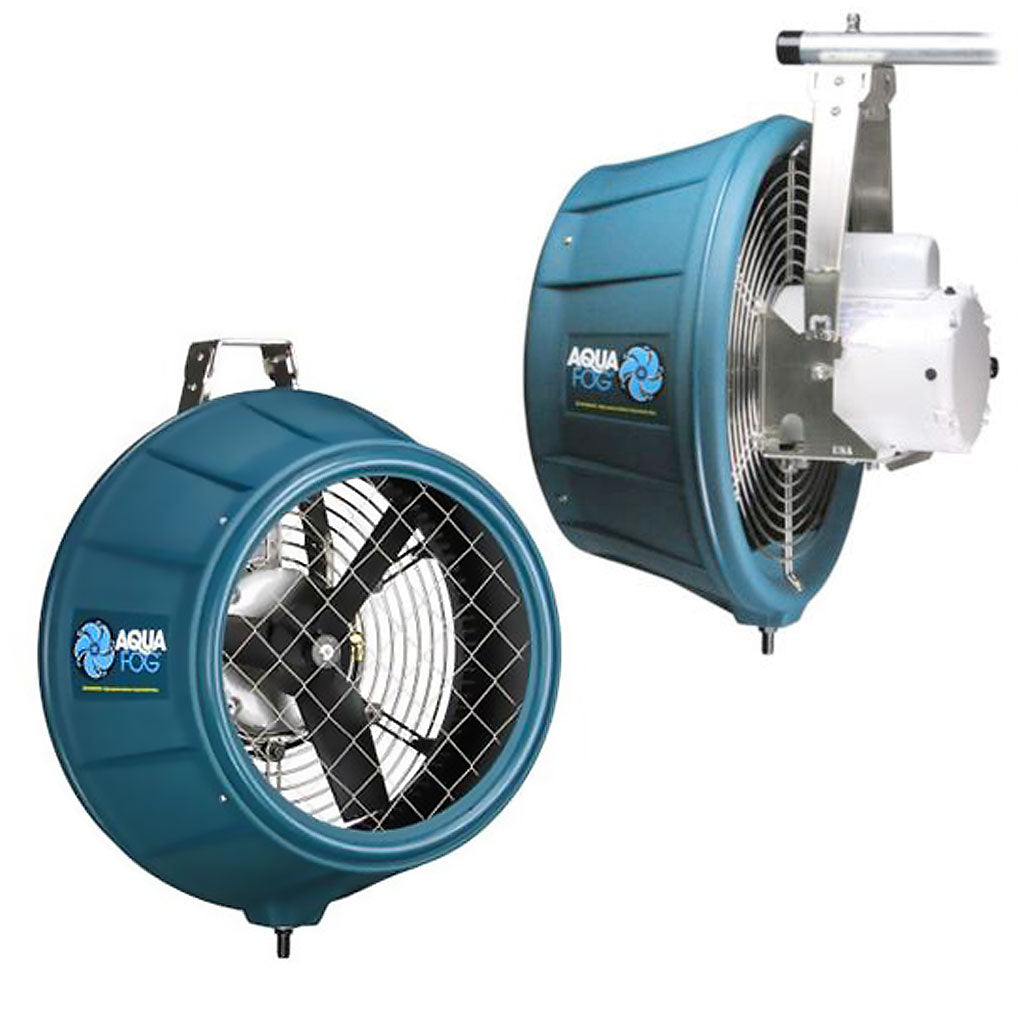
Setting the right climate for thriving plants starts with the temperature control. Whatever the season, we'll help you put together a temperature-controlled greenhouse. Order a greenhouse heater to grow plants in the winter and a swamp cooler to prevent searing temps in the summer. Greenhouse vents and exhaust fans ensure good air circulation and allow minor climate adjustments so don't always have to break out the big equipment.
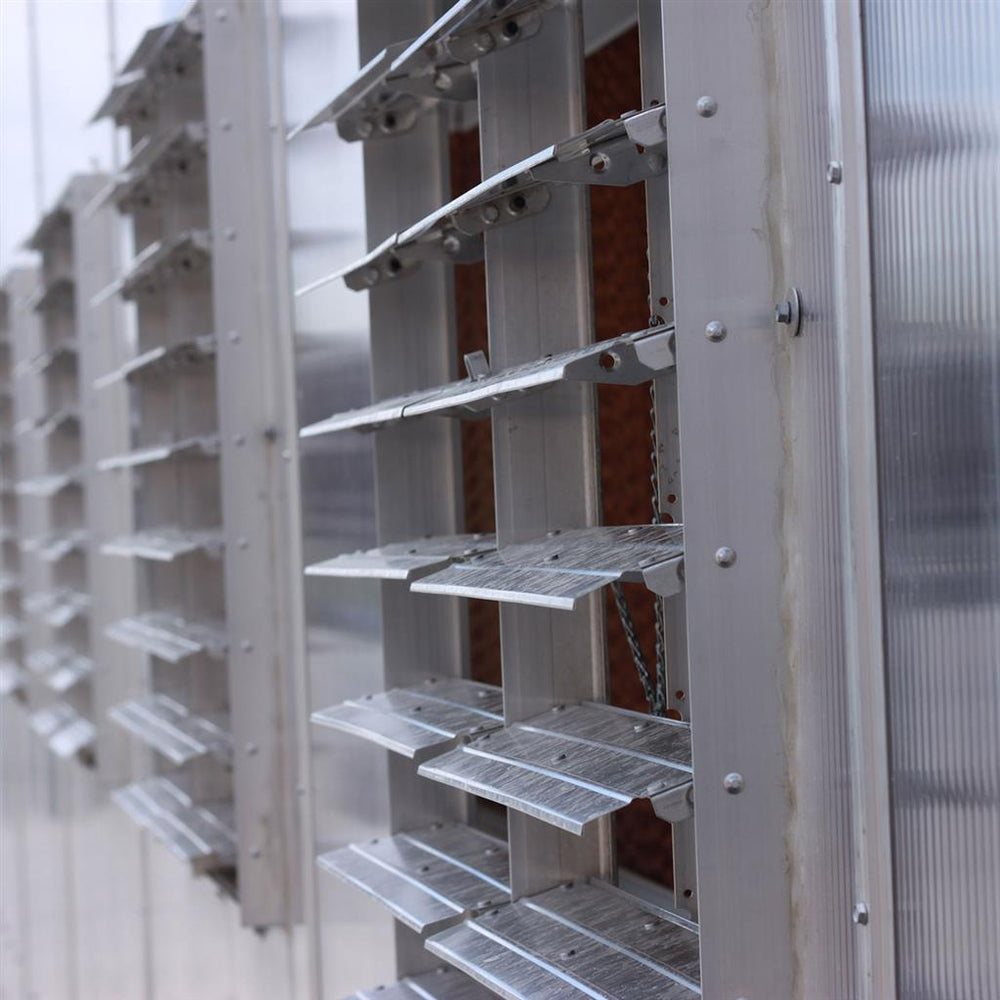
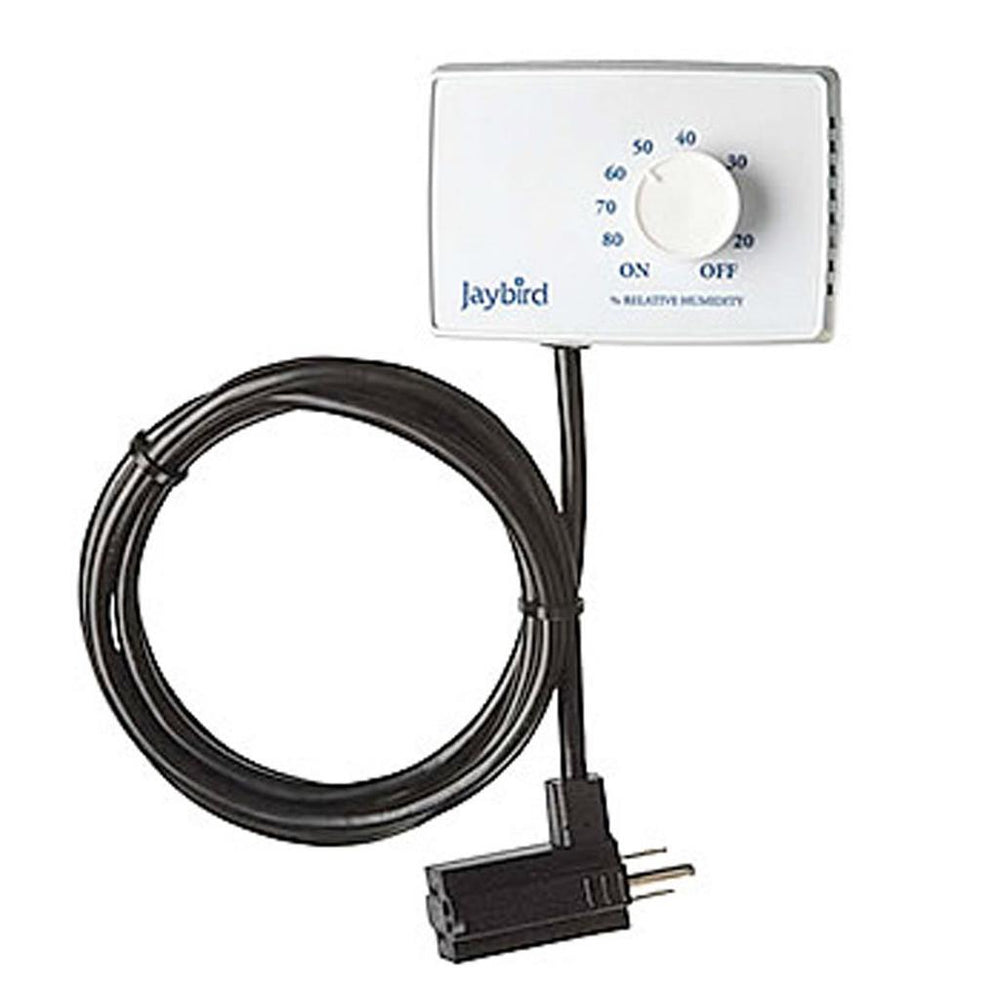
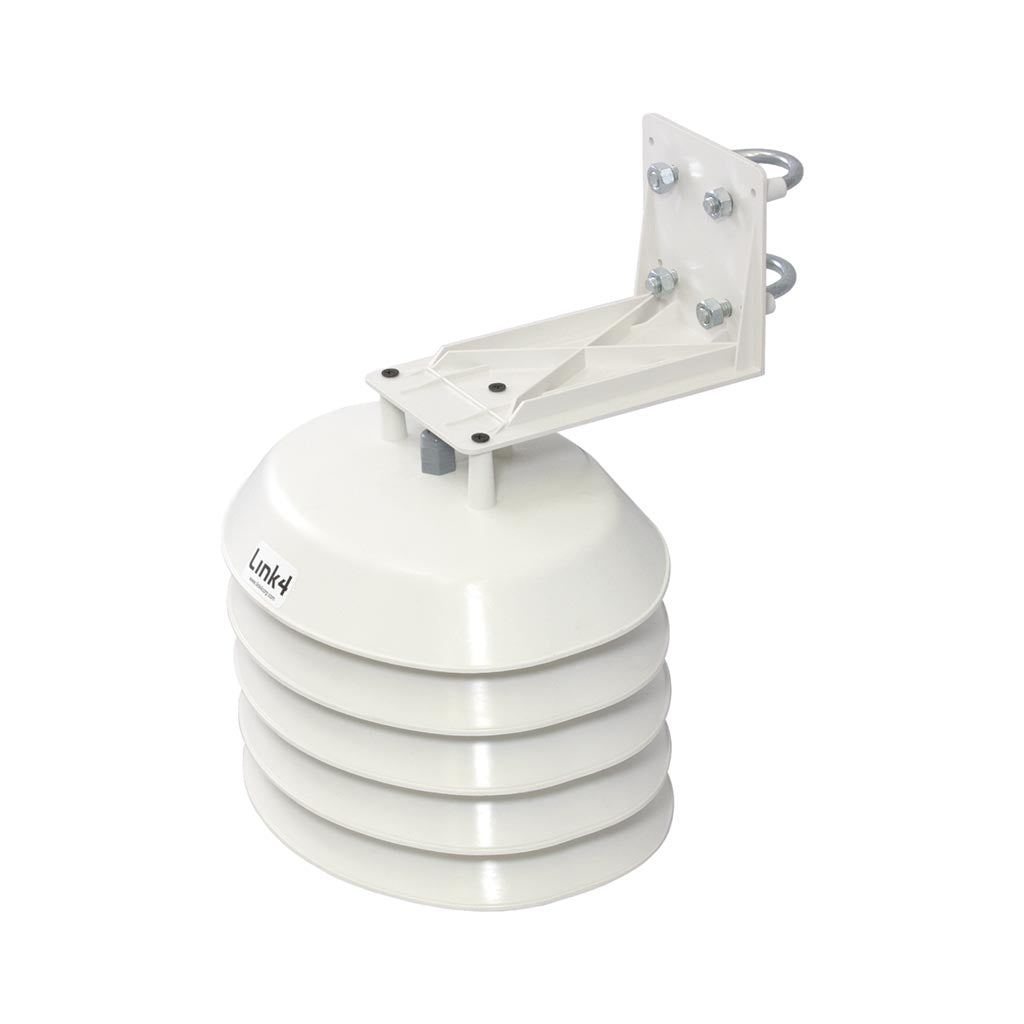
Plants also need the right amount of light and humidity to grow properly. Use greenhouse lighting to increase the brightness or shade cloth to create a darker habitat. Our dehumidifiers eliminate excess moisture, and when you can't open the vents, a CO2 generator will produce the carbon dioxide plants crave. With greenhouse controller kits, you can dial in fan speed, shutter opening times and more - or just program in the ideal environment and let the system do the rest.
Control Your Greenhouse Output
By getting the greenhouse conditions just right, you'll raise healthier, more productive plants. The experts at Greenhouse Megastore are happy to assist with any climate control greenhouse project and provide technical support when needed. We guarantee the lowest prices and ship qualifying orders free to the lower 48 states.
DIY Climate Control for Your Greenhouse
Basic climate control helps keep plants healthy year-round, in a small hobby greenhouse or a larger growing space. A proper setup balances temperature, humidity, and airflow so plants aren’t stressed by the hot days of summer or the cold nights of winter.
For Small Greenhouses
- Thermostats & Sensors: Add a simple digital thermostat or humidity sensor to monitor conditions and trigger other equipment.
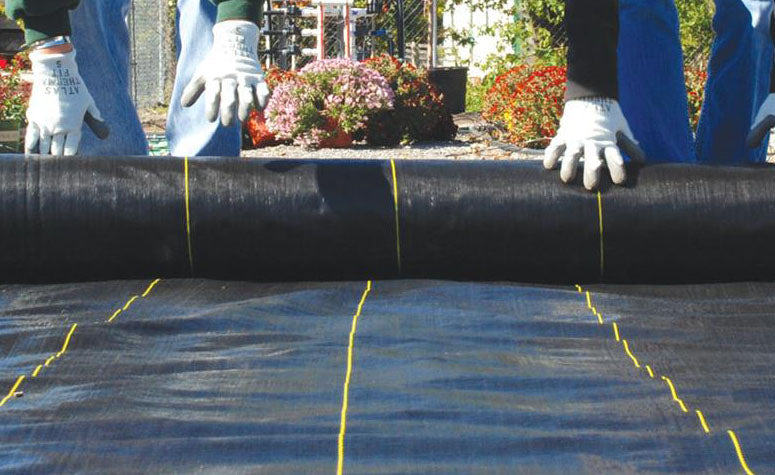
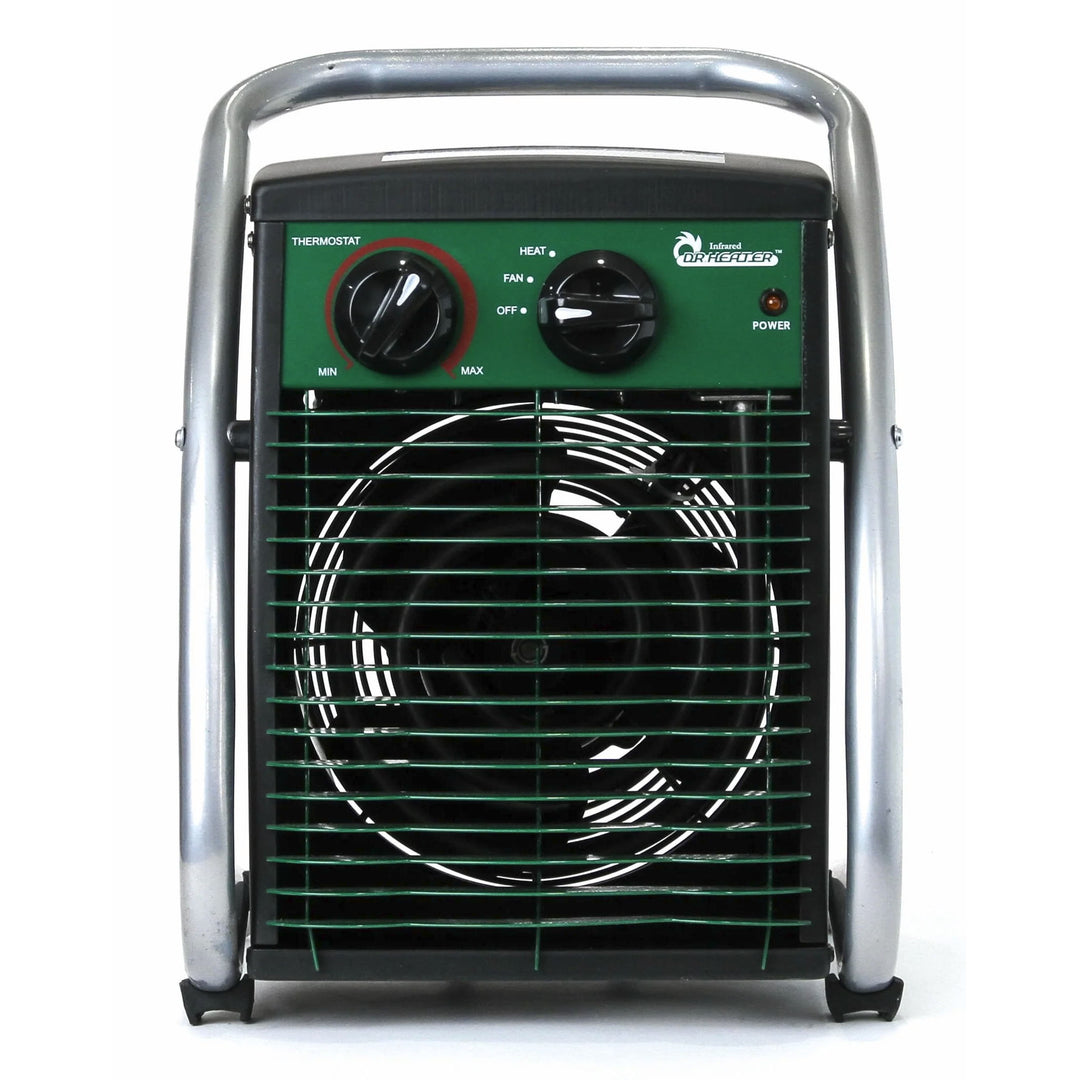
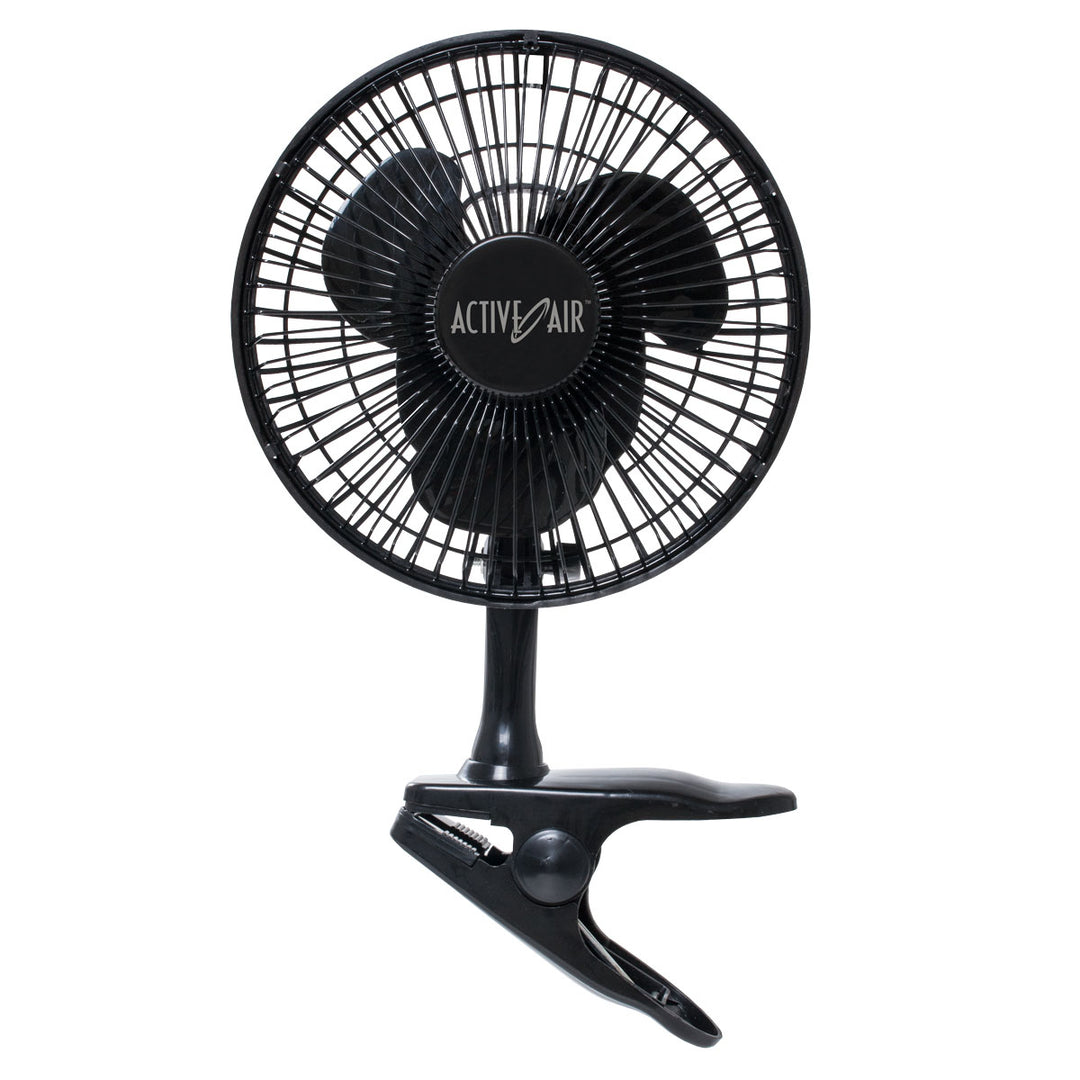
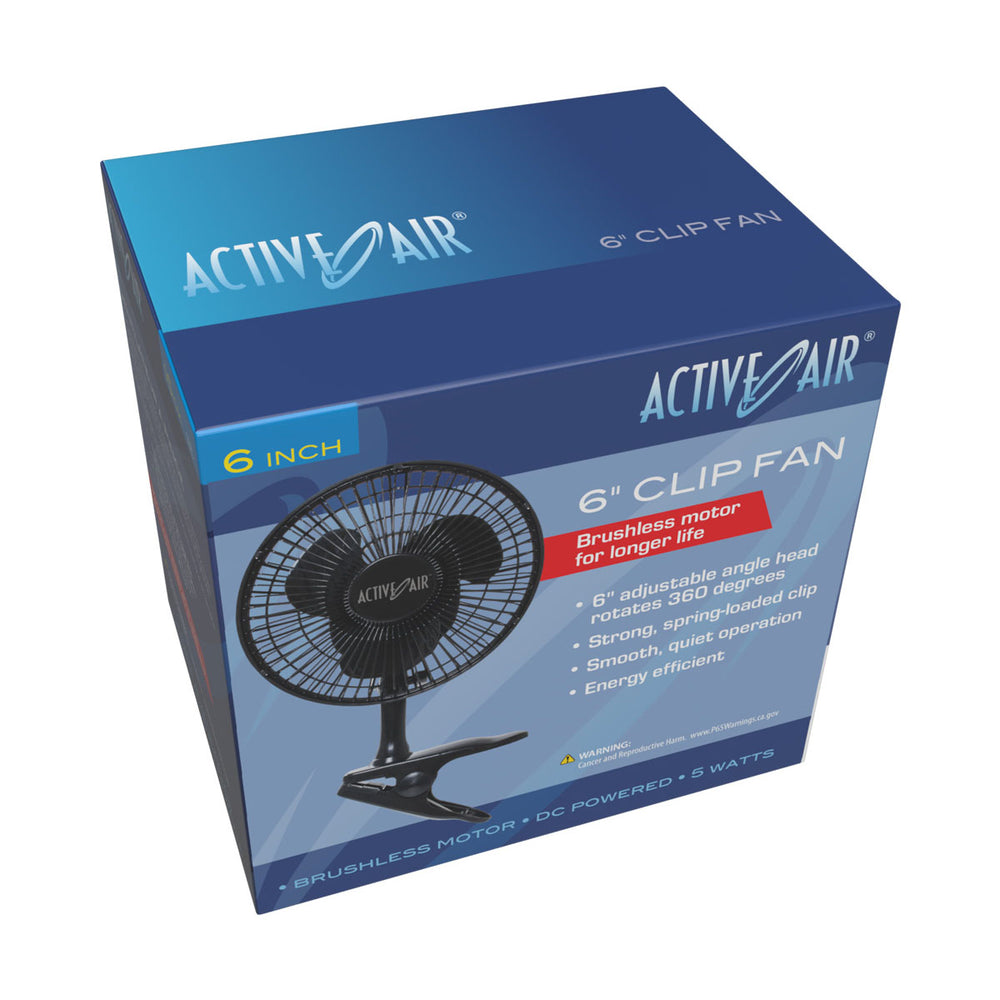
- Portable Heaters & Fans: Compact electric heaters and clip-on circulation fans help maintain warmth and airflow during temperature swings. Shade Cloth & Vents: A shade cloth limits overheating in summer, and manual vents let you adjust airflow without power.
For Larger Greenhouses
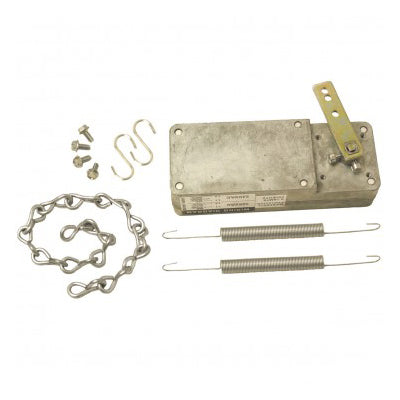
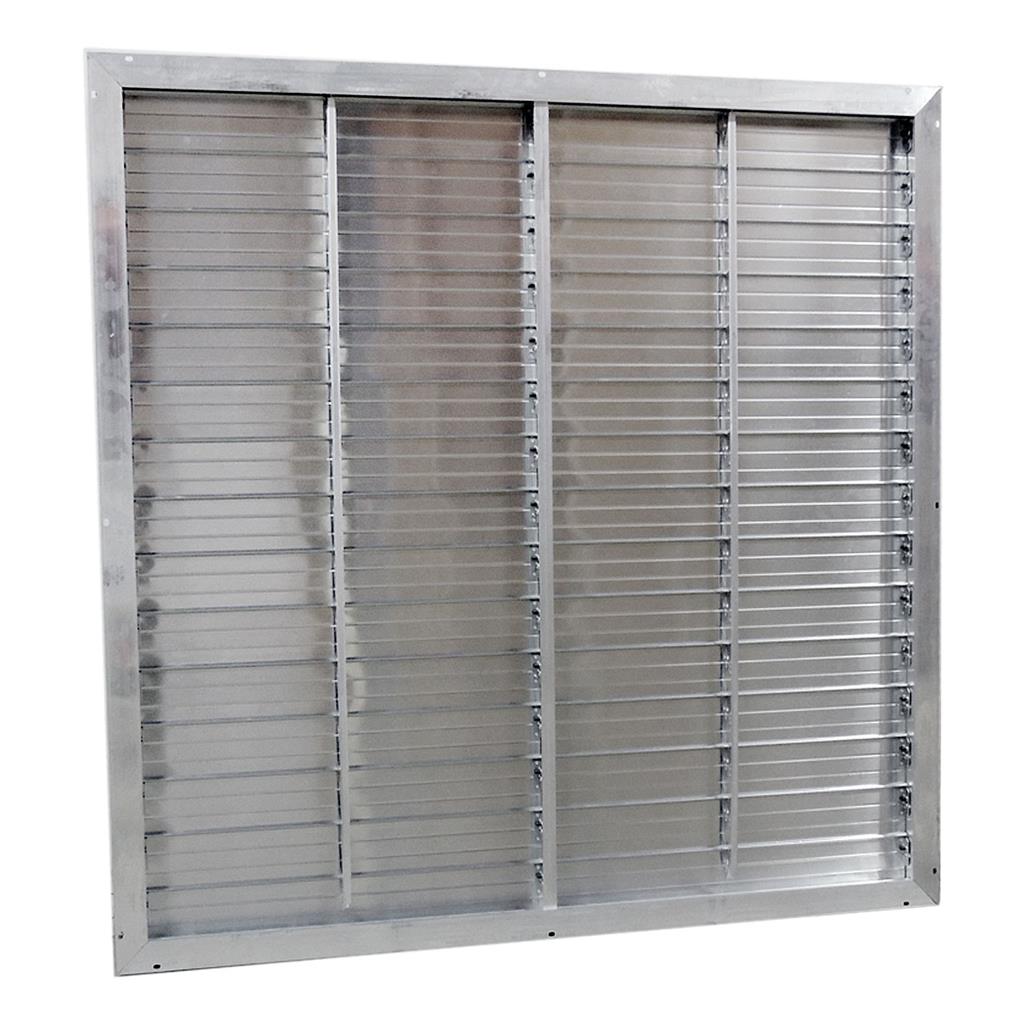
- Exhaust Fans & Ventilation Packages: Larger exhaust fans and motorized vent systems improve air exchange and reduce heat build-up.
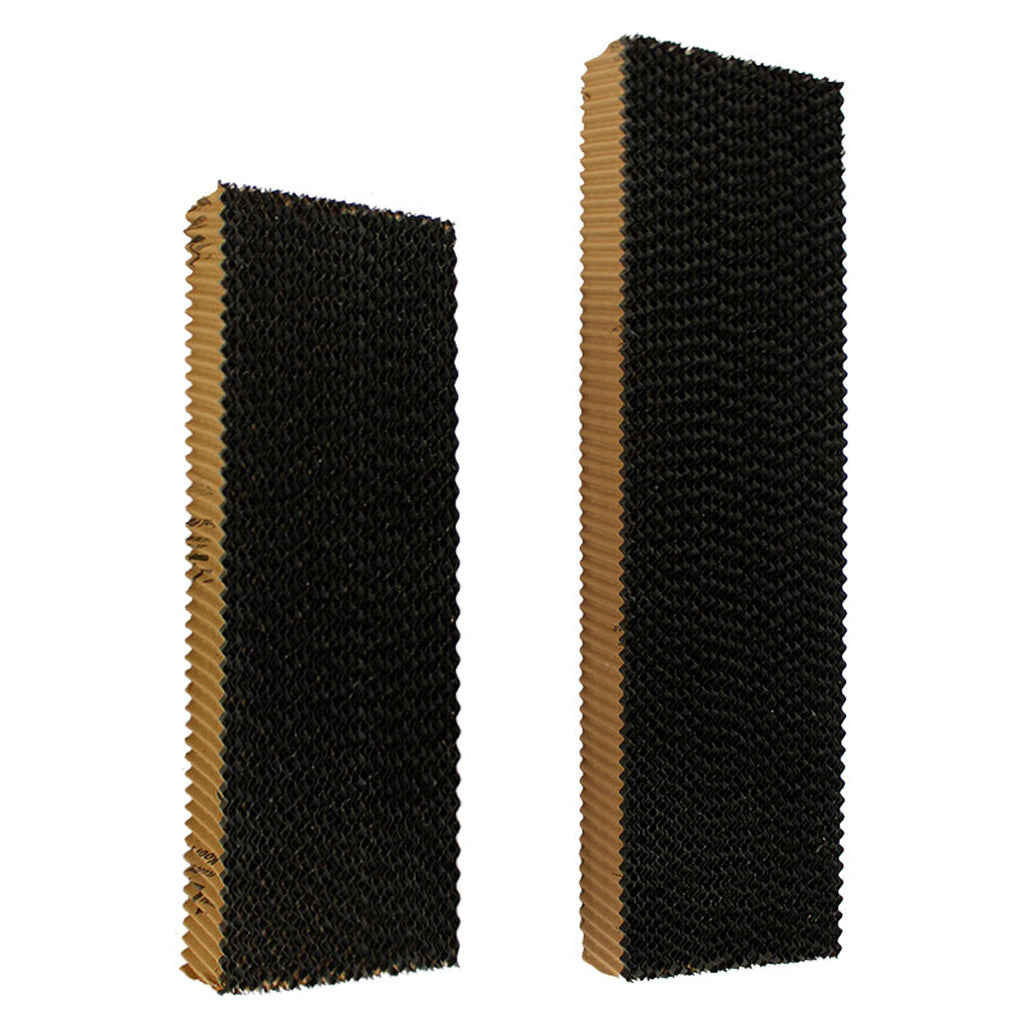
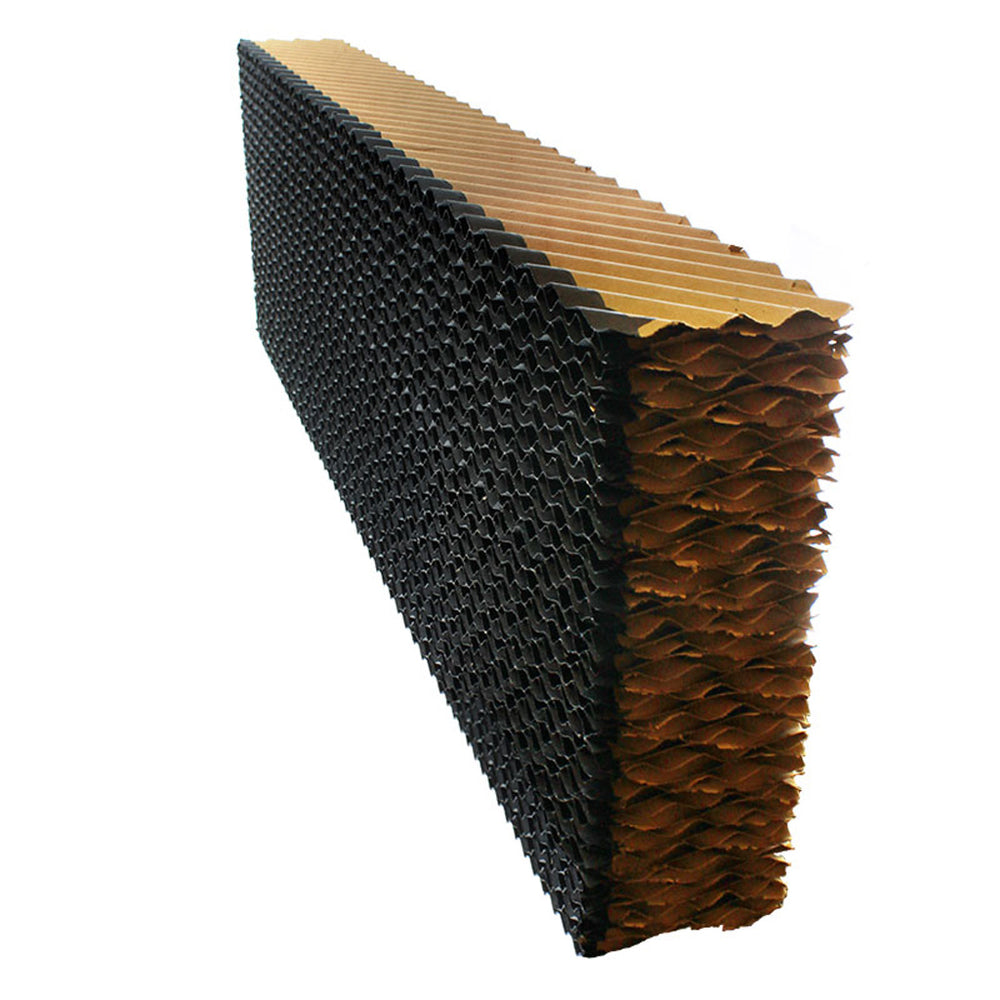
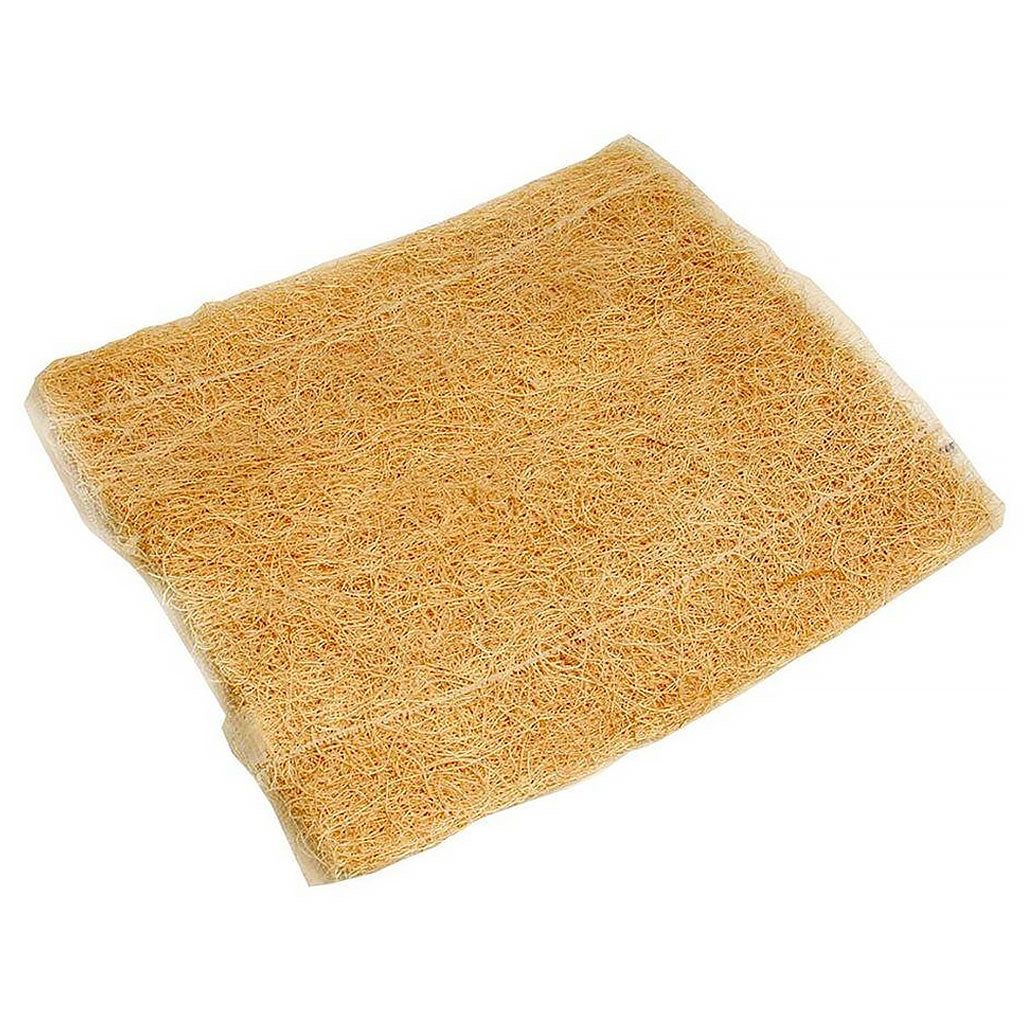
- Evaporative Cooling Systems: Evaporative coolers (“swamp coolers”) lower temperatures efficiently in bigger spaces and can be paired with replacement cooling pads.
- Integrated Controllers: Automatic environmental controllers tie heaters, fans, and humidifiers together to maintain ideal conditions throughout the year.
A few well-chosen products can make a big difference, especially when combined with simple DIY adjustments like adjusting vent openings and using shade cloth seasonally.
Greenhouse Climate and Temperature Control FAQs
How do Amish heat their greenhouses?
Amish greenhouses commonly use propane heaters, wood stoves, or passive solar heating paired with good insulation. Many systems rely on manual operation and natural airflow rather than electricity.
What is the cheapest way to cool a greenhouse?
Using shade cloth, roof or side vents, and basic circulation fans is typically the most cost-effective way to reduce heat and improve airflow.
Do I really need climate control in a greenhouse?
Even basic climate control helps prevent plant stress caused by extreme heat, cold, or humidity. Simple tools like fans, heaters, or shade cloth can make a big difference.
What temperature should a greenhouse be kept at?
Most plants thrive between 65°F and 80°F, though ideal temperatures vary by plant type and season. Thermometers and thermostats help you monitor and adjust as needed.