Deciduous Shrub

Deutzia

USDA Zone: 5–8
Lifecycle: Perennial
Mature Size: 3–6 ft. tall by 3–6 ft. wide
Native Region: Asia
Sunlight Requirements: 6–8 hours per day

Care

Deutzia is a hardy deciduous shrub prized for its profuse clusters of star-shaped flowers. It thrives in well-draining soil and benefits from regular watering, especially during the first growing season, to establish strong roots. Deutzia prefers full sun to partial shade, producing the most abundant blooms in sunny locations. Mulching around the base helps retain moisture, suppress weeds, and maintain consistent soil temperature. The shrub is relatively low-maintenance once established, though occasional pruning after flowering encourages dense growth and improves air circulation. Avoid planting too deep or disturbing the root zone, as Deutzia can be sensitive to root stress. With proper care, it offers long-lasting seasonal interest with minimal effort, providing vibrant white or pink flowers and lush green foliage that brightens borders, garden beds, and container plantings throughout late spring and early summer.


Seeding

Deutzia is most commonly propagated by semi-hardwood cuttings taken in mid to late summer. Seeds can also be used but germination is slow and may require cold stratification to break dormancy. For cuttings, remove the lower leaves and dip the base in rooting hormone, then plant in a well-draining propagation mix. Keep cuttings in a humid, sheltered environment with indirect light until roots develop, usually in 4–6 weeks. Once rooted, gradually acclimate plants to outdoor conditions before planting in permanent locations. Seed propagation is less common because it can take several seasons for seedlings to reach flowering size, making cuttings the preferred method for gardeners seeking reliable, bloom-ready plants.

Planting and Potting

Plant Deutzia in well-draining soil enriched with compost or organic matter. Dig a hole twice the width of the root ball and backfill gently to avoid air pockets. Position the plant at the same depth as it grew in its container and water thoroughly after planting. For container-grown Deutzia, choose a pot with adequate drainage and a high-quality potting mix. Place in full sun to partial shade for optimal flowering. Water regularly during dry periods and avoid soil compaction around the base. Proper planting ensures healthy root development, encourages robust growth, and sets the foundation for abundant spring blooms, creating an attractive and long-lived addition to garden beds, borders, or patio containers.

Feeding

Deutzia benefits from light feeding in early spring before new growth emerges and again after flowering. Use a balanced, slow-release fertilizer or an organic alternative such as compost to provide steady nutrients. Mulching around the base contributes additional nutrients as it decomposes and helps retain soil moisture. Avoid overfertilizing, which can promote excessive leafy growth at the expense of blooms. Maintaining slightly acidic to neutral soil ensures nutrient availability and supports healthy root development. Regular feeding encourages vigorous growth, lush foliage, and abundant flower production. Healthy nutrition also improves the plant’s resistance to pests and diseases, helping Deutzia remain vibrant and visually appealing throughout the growing season.

Winterizing

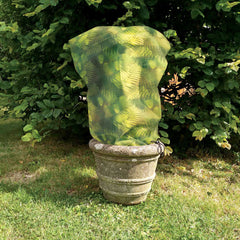
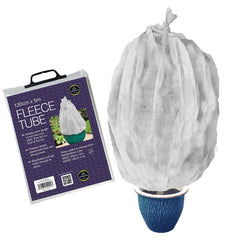
Deutzia is generally hardy in temperate climates but benefits from additional protection in colder areas. Applying a thick mulch layer around the base helps insulate roots, reduce soil temperature fluctuations, and retain moisture. In exposed locations, wind protection can prevent drying damage to stems. Container-grown plants should be moved to sheltered areas such as garages or covered patios during freezing conditions. Avoid pruning in late fall, as new growth may be vulnerable to frost. Allow the plant to remain dormant through winter. Proper winter care supports strong root health and encourages vigorous flowering when spring arrives.

Harvesting and Pruning

Prune Deutzia immediately after flowering to encourage compact growth and prevent legginess. Remove dead, damaged, or crossing branches to improve air circulation and plant health. Light shaping can enhance appearance and maintain a balanced form. Avoid heavy pruning, as Deutzia blooms on old wood and excessive cuts may reduce next season’s flowers. Deadheading spent flowers can help maintain a neat appearance but is optional. Regular pruning supports vigorous growth, dense foliage, and abundant flower production, ensuring the shrub remains a standout in gardens or containers. Consistent maintenance also reduces the risk of disease and keeps the plant visually attractive throughout the growing season.

Deutzia FAQs

When does Deutzia bloom?

Deutzia typically blooms in late spring to early summer, producing clusters of star-shaped flowers in white or pink. The flowering period is relatively brief but prolific, adding a burst of color to garden borders, beds, or containers. Deadheading is optional but can maintain appearance while energy is directed toward growth.

Does Deutzia require a lot of maintenance?

Deutzia is low-maintenance once established, needing occasional watering, light feeding, and annual pruning after flowering. Proper planting, sun exposure, and soil care are essential to encourage healthy growth. With these steps, Deutzia provides abundant flowers and lush foliage with minimal ongoing effort, making it ideal for gardeners seeking a beautiful but manageable shrub.

Can Deutzia tolerate partial shade?

Yes, Deutzia can tolerate partial shade but may produce fewer flowers and have a slightly leggier growth habit. For the most abundant blooms and compact form, full sun is ideal. Partial shade is suitable for cooler climates or areas with hot afternoon sun that could scorch foliage.